




Menu

Water Heater Maintenance Tips in Oklahoma City – Protect Your Tank from Hard Water and Extreme Temperature Swings

Learn the Exact Water Heater Maintenance Schedule You Need to Combat Oklahoma City's Mineral-Heavy Water and Seasonal Temperature Extremes That Shorten Tank Lifespan

Slider Image 1
Slider Image 2
Slider Image 3
Slider Image 4
Slider Image 5
Slider Image 7
Slider Image 8
Slider Image 9
Slider Image 10
Slider Image 11

Why Oklahoma City Water Heaters Fail Faster Without Preventative Maintenance

Oklahoma City water contains high concentrations of calcium and magnesium. When your water heater operates, these minerals precipitate out and form sediment at the bottom of your tank. This process accelerates in our climate because the temperature differential between summer and winter forces your unit to work harder. In July, incoming water might be 78 degrees. In January, it drops to 45 degrees. That 33-degree swing means your heating element or burner cycles more frequently, baking sediment into a concrete-like layer.

This sediment layer acts as an insulator between your heat source and the water. Your unit runs longer to achieve the same temperature, burning more gas or electricity while delivering less hot water. The heating element in electric models can burn out when encased in sediment. Gas models develop hot spots on the tank floor, weakening the steel and accelerating corrosion.

The clay soil throughout the Oklahoma City metro also shifts with moisture changes, occasionally causing foundation movement that can stress water lines and connections. A water heater care checklist must account for these connection points. Preventative water heater maintenance addresses sediment buildup, anode rod depletion, and pressure relief valve function before they cascade into expensive failures.

Most Oklahoma City homeowners wait until they have cold showers or a flooded utility room. By then, you are replacing a unit instead of maintaining one. A proper hot water tank maintenance routine extends service life from eight years to twelve or more. The difference is a disciplined water heater maintenance schedule that accounts for our specific water chemistry and climate conditions.

Why Oklahoma City Water Heaters Fail Faster Without Preventative Maintenance
The Five Critical Tasks in Hot Water Heater Upkeep

The Five Critical Tasks in Hot Water Heater Upkeep

Hot water heater upkeep is not a single task. It requires five distinct interventions that address different failure modes. First, sediment flushing removes the mineral accumulation at the tank bottom. You attach a garden hose to the drain valve, open the valve, and drain several gallons until the water runs clear. In Oklahoma City, this should happen every six months due to our water hardness.

Second, anode rod inspection determines if your sacrificial protection is still functional. The anode rod is a magnesium or aluminum core wire that corrodes instead of your tank. Once it depletes to less than half an inch of core wire exposed, the tank steel starts corroding. You need to replace the rod. Most techs pull the rod through the hot water outlet using a 1-1/16 inch socket and breaker bar. Tanks older than five years in our water typically need replacement rods.

Third, temperature and pressure relief valve testing confirms your safety mechanism works. This valve prevents tank rupture if temperature or pressure exceeds safe limits. You lift the test lever and confirm water discharges through the overflow pipe. If nothing happens or the valve leaks afterward, you replace it.

Fourth, temperature setting verification ensures you operate at 120 degrees Fahrenheit. Higher settings accelerate sediment baking and scalding risk. Lower settings allow bacteria growth.

Fifth, visual inspection of all connections, the flue pipe on gas models, and the tank exterior catches problems early. You look for rust stains, water pooling, loose fittings, and corrosion on the flue. These five tasks form a complete water heater care checklist. Miss one, and you leave a failure mode unaddressed.

How to Execute Your Water Heater Maintenance Schedule

Water Heater Maintenance Tips in Oklahoma City – Protect Your Tank from Hard Water and Extreme Temperature Swings
01

Initial System Assessment

Turn off power or gas to the unit and let the water cool for safety. Check the installation date on the label and note the tank capacity. Photograph all connections and valve positions so you can restore the system correctly. Test the temperature and pressure relief valve first because if it fails closed, you create a hazard during the rest of the process. This assessment establishes baseline condition and identifies immediate safety concerns.
02

Sediment Removal and Rod Replacement

Attach a hose to the drain valve and run it to a floor drain or outside. Open the valve and drain until the water runs clear without sediment chunks. This might take three to five gallons in Oklahoma City water conditions. Close the valve, then remove the anode rod from the top of the tank using a socket wrench. Inspect the remaining core wire. If less than half an inch of wire remains exposed, install a new rod and tighten it to manufacturer specifications.
03

System Restoration and Documentation

Refill the tank completely before restoring power or gas to prevent dry firing damage. Open a hot water faucet in the house to bleed air from the lines as the tank fills. Once water flows steadily, close the faucet. Restore power or relight the pilot. Document the date, work performed, and condition of components in a maintenance log. Set a calendar reminder for your next service interval based on water hardness and usage patterns.

Why Oklahoma City Homeowners Trust Local Plumbing Expertise

Water chemistry varies across the Oklahoma City metro. Homes near Lake Hefner have different mineral profiles than those in Edmond or Moore. A plumber familiar with your specific area knows what to expect when they drain your tank. They recognize the orange-brown sediment typical of our iron-bearing water versus the white calcium scale from hardness.

Local plumbers also understand Oklahoma City building codes regarding water heater installation, venting, and earthquake strapping requirements. When they replace an anode rod or a temperature and pressure relief valve, they know which code officials inspect and what passes. You avoid the compliance issues that arise when someone unfamiliar with city requirements performs work.

Atlas Plumbing Oklahoma City has maintained water heaters through our temperature extremes, from the 2011 heat wave to the 2021 freeze event. We know how cold inlet water during winter increases recovery time and how summer heat accelerates bacterial growth if your temperature setting drops too low. This experience translates into maintenance advice specific to Oklahoma City conditions, not generic tips from a national service manual.

We also recognize the signs of foundation movement affecting your plumbing. A water heater with stressed connections due to soil shift needs different attention than one simply accumulating sediment. The cracks in your basement floor or the slight separation at pipe joints tell us when your property is shifting. We address the mechanical stress before it causes a catastrophic leak.

Choosing local expertise means choosing someone who knows your water, your codes, and your climate. That knowledge prevents problems instead of just reacting to them.

What a Professional Maintenance Visit Includes

Service Timing and Scheduling

Professional water heater maintenance takes 45 to 90 minutes depending on tank size and sediment accumulation. We schedule appointments in two-hour windows to accommodate variability. Most Oklahoma City homeowners schedule maintenance in spring and fall to align with our seasonal temperature transitions. Spring maintenance addresses sediment from winter operation when cold inlet water increases mineral precipitation. Fall maintenance prepares your unit for the heating season when demand peaks. You can schedule around your availability, including weekend appointments for working families.

Comprehensive System Inspection

The inspection begins with a visual assessment of the tank exterior, connections, and surrounding area. We check for rust stains, corrosion, water pooling, and signs of past leaks. We test the temperature and pressure relief valve by lifting the test lever and confirming proper discharge. We verify temperature settings with a thermometer at a nearby faucet. On gas models, we inspect the flue pipe for corrosion and proper draft. On electric models, we check the electrical connections for corrosion or arcing. This inspection identifies problems you cannot see during normal operation.

Sediment Removal and Component Service

We drain sediment through the tank drain valve until water runs clear, removing the mineral accumulation that reduces efficiency and damages tanks. We remove and inspect the anode rod, measuring the remaining sacrificial metal. If the core wire is exposed beyond half its original diameter, we install a new rod. We replace faulty temperature and pressure relief valves, worn drain valves, or corroded supply connections. You receive a functional system operating at design efficiency with renewed corrosion protection and verified safety mechanisms.

Maintenance Documentation and Planning

We document all findings, measurements, and work performed in a service report you keep for your records. We photograph components we replace and conditions we find so you understand what we did and why. We provide a recommended service interval based on your water conditions, usage patterns, and tank age. Most Oklahoma City homes need service every six to twelve months depending on water hardness and household size. We explain what to watch for between services and when to call for immediate attention versus waiting for the next scheduled visit.

Frequently Asked Questions

You Have Questions,
We Have Answers

What maintenance needs to be done on a water heater? +

Water heaters need four key maintenance tasks to run efficiently. Flush the tank annually to remove sediment buildup, especially critical in Oklahoma City due to our hard water. Check the anode rod every three years and replace it if corroded. Test the temperature and pressure relief valve by lifting the lever to ensure it releases water. Inspect the tank exterior for rust, leaks, or corrosion. For gas units, check the burner flame for consistent blue color. Set the thermostat to 120 degrees to prevent scalding and reduce energy costs. These simple steps extend your unit's lifespan.

What happens if you don't flush your water heater? +

Skipping regular flushing allows sediment to accumulate at the tank bottom, creating multiple problems. The sediment layer acts as insulation between the burner and water, forcing your unit to work harder and increasing energy bills. You will hear popping or rumbling sounds as water bubbles through the mineral buildup. Sediment causes hot spots that weaken the tank lining, leading to premature failure and leaks. In Oklahoma City, our mineral-heavy water accelerates this process. Reduced hot water capacity occurs as sediment displaces usable water volume. Eventually, the buildup can damage heating elements or the tank itself.

How often should I flush a water heater? +

Flush your water heater at least once per year to maintain efficiency. Oklahoma City homeowners with hard water should consider flushing every six months due to higher mineral content in our municipal supply. If you notice sediment in your hot water, rumbling noises, or reduced heating performance, flush immediately regardless of schedule. Newer homes with water softeners can extend intervals to 12 months. Tankless models need descaling annually or more frequently depending on usage. Set a calendar reminder each spring to establish a consistent maintenance routine that prevents costly repairs and extends equipment life.

Can I do water heater maintenance myself? +

You can perform basic water heater maintenance yourself if you follow safety protocols. Tasks like testing the temperature and pressure relief valve, adjusting the thermostat, and visual inspections are homeowner-friendly. Annual flushing is manageable with the right tools and patience. However, anode rod replacement requires specific knowledge about your tank model. Gas water heater work involving burners or gas lines requires professional expertise due to safety risks. If you notice rust-colored water, persistent leaks, or unusual noises, call a licensed plumber. Oklahoma City building codes may require professional service for certain repairs to maintain warranty coverage.

Can I flush my hot water heater myself? +

Yes, you can flush your water heater yourself following proper steps. Turn off the power or gas supply first. Connect a garden hose to the drain valve and run it outside or to a floor drain. Open the valve and let water drain completely until it runs clear. This process takes 20 to 60 minutes depending on sediment levels. Oklahoma City's hard water may require multiple flushes. Turn off the cold water supply before draining to prevent new sediment from entering. Refill the tank completely before restoring power to avoid damaging heating elements. Wear gloves as drained water can be scalding hot.

What are the 7 basic preventive maintenance elements? +

The seven preventive maintenance elements for water heaters include inspection, flushing, anode rod replacement, valve testing, thermostat adjustment, leak detection, and component cleaning. Inspect the tank exterior and connections monthly for corrosion or moisture. Flush sediment annually. Replace the anode rod every three to five years to prevent tank corrosion. Test the temperature and pressure relief valve yearly. Adjust the thermostat to 120 degrees for safety and efficiency. Check for leaks at connections and around the tank base. Clean the burner assembly on gas units or heating elements on electric models to maintain efficiency in Oklahoma City's demanding climate.

Should I flush a 20 year old water heater? +

Flushing a 20 year old water heater carries risks but may still provide benefits. At this age, the tank is near or beyond its expected lifespan. Draining can dislodge sediment that has sealed small leaks, causing new leaks to appear. The drain valve itself may be corroded and fail to close properly after opening. However, if the unit still functions and shows no visible corrosion, gentle flushing might extend its life slightly. Proceed cautiously and have a replacement plan ready. Most Oklahoma City plumbers recommend replacement over maintenance at this age to avoid emergency failures and water damage.

How much does a plumber charge to flush it? +

Professional water heater flushing in Oklahoma City typically costs between service call minimums and standard maintenance rates, though prices vary by company and tank size. The service includes draining, flushing until water runs clear, inspecting components, testing the relief valve, and checking for leaks. Many plumbing companies offer maintenance packages that include annual flushing along with other inspections at reduced rates. Tankless units requiring descaling may cost more due to specialized chemicals and procedures. Emergency or after-hours service increases costs. Regular maintenance prevents expensive emergency repairs and extends equipment lifespan, making it a worthwhile investment.

Does flushing remove all sediment? +

Flushing removes most sediment but rarely eliminates every particle, especially in older tanks. The drain valve opening size limits what can pass through. Large chunks or hardened mineral deposits may remain stuck to the tank bottom or sides. Multiple flush cycles improve results. Opening the cold water supply valve briefly during draining creates turbulence that loosens stubborn sediment. In Oklahoma City, where hard water creates heavy buildup, you may need to flush until water runs consistently clear. Extremely neglected tanks may require professional power flushing or replacement if sediment has solidified into concrete-like masses that standard flushing cannot remove.

How much does it cost to have a water heater flushed? +

Water heater flushing costs in Oklahoma City vary based on the service provider and tank type. Expect to pay a standard service rate for basic flushing on conventional tanks. Tankless models requiring chemical descaling cost more due to specialized products and additional labor. Some companies include flushing as part of annual maintenance agreements at discounted rates. The investment prevents premature tank failure, improves energy efficiency, and extends equipment life by years. DIY flushing costs only your time plus a garden hose. Weigh professional service against potential mistakes that could damage your unit or void warranties when deciding your approach.

How Oklahoma City Water Hardness Accelerates Water Heater Sediment Buildup

Oklahoma City water hardness ranges from 150 to 250 parts per million depending on your specific water source. The Canton Lake and Lake Hefner supplies both carry significant calcium and magnesium concentrations that precipitate when heated. A 50-gallon water heater operating in Oklahoma City conditions accumulates two to four pounds of sediment annually. This mineral layer reduces tank capacity, insulates the heating element from water, and creates hot spots that weaken tank steel. Preventative water heater maintenance removes this buildup before it hardens into a cement-like mass that damages components.

Local plumbers understand these specific conditions because we service hundreds of water heaters across the Oklahoma City metro each year. We know which neighborhoods have the hardest water and which subdivisions experience the most foundation movement. We know how to adjust anode rod replacement intervals based on your water chemistry and how to identify stress fractures in connections caused by shifting soil. This local knowledge prevents premature failures and extends equipment life. Choosing a plumber familiar with Oklahoma City water conditions means choosing someone who maintains your system correctly the first time.

Plumbing Services in The Oklahoma City Area

We are proud to serve the entire Oklahoma City metropolitan area and surrounding communities. Our dedicated team is strategically located to ensure a rapid response time for all your plumbing needs, whether it's a scheduled repair or an urgent emergency. We are committed to bringing our expert services right to your doorstep, providing professional and reliable solutions wherever you are in our service region.

Address:
Atlas Plumbing Oklahoma City, 1611 N Broadway Ave, Oklahoma City, OK, 73103

Additional Services We Offer

Our news updates

Latest Articles & News from The Blogs

Solving the Unique Plumbing Layout Challenges in Film Row Lofts and Condos \n\n Film Row in Oklahoma City presents unique…

Solving the Unique Plumbing Layout Challenges in Film Row Lofts and Condos

Solving the Unique Plumbing Layout Challenges in Film Row Lofts and Condos \n\n Film Row in Oklahoma City presents unique…

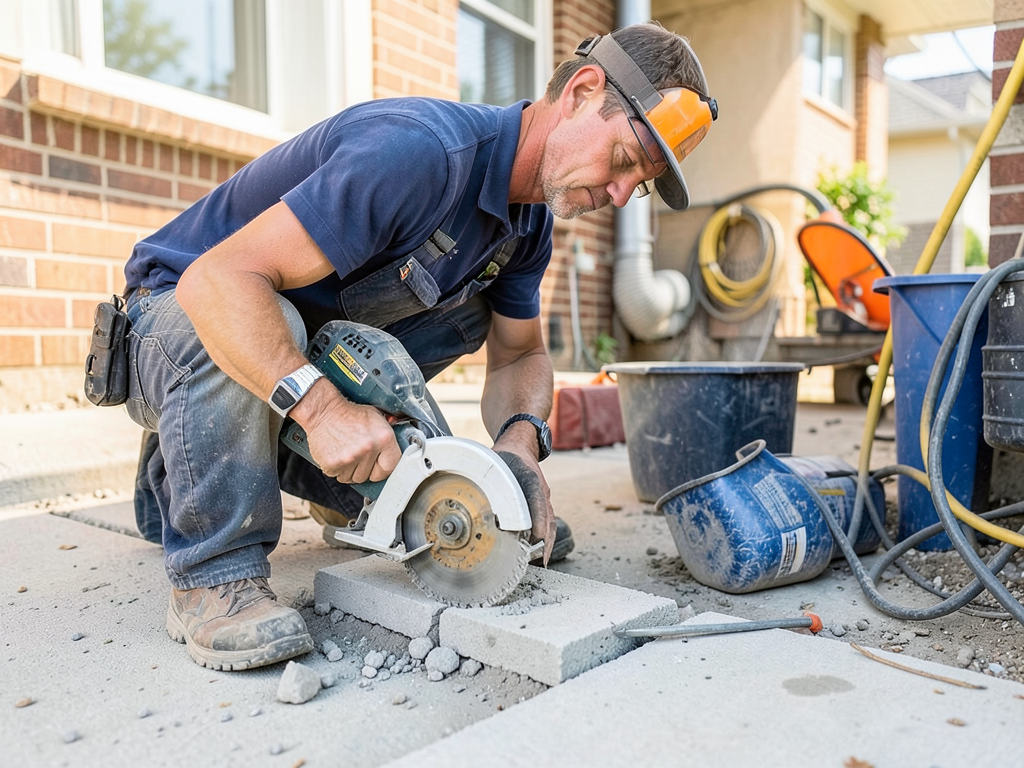
Why Moving a Toilet Is the Most Expensive Part of Your Plaza District Remodel

Why Moving a Toilet Is the Most Expensive Part of Your Plaza District Remodel Moving a toilet during a bathroom…

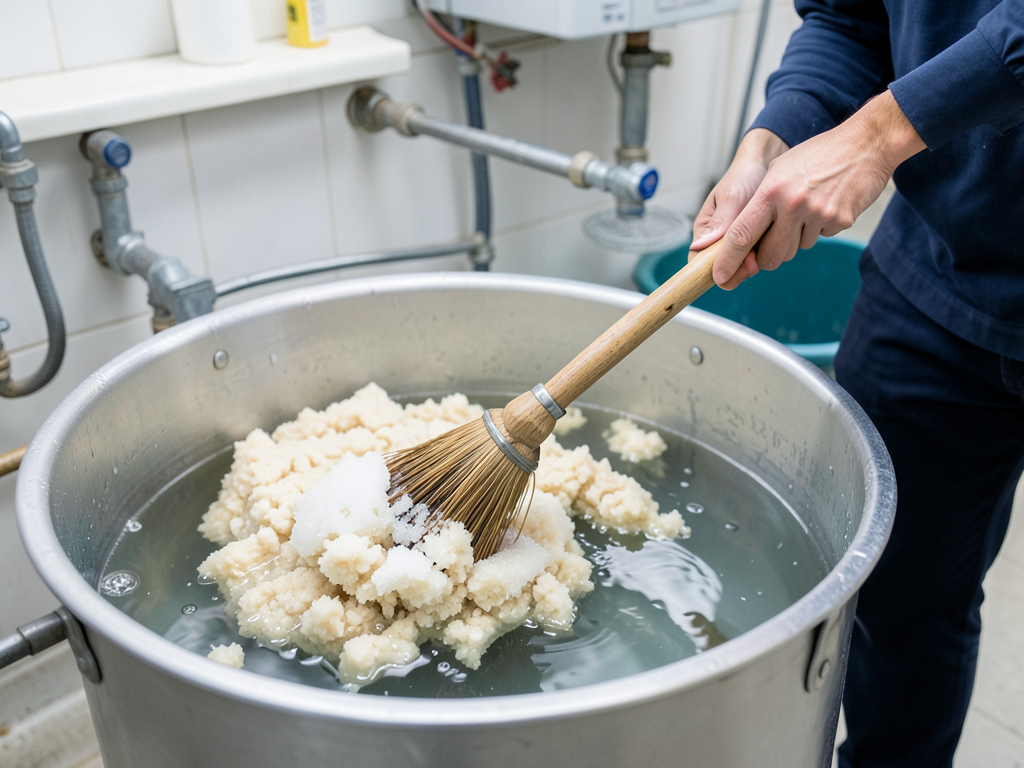
Why Your Water Softener Salt Tank Is Caking Up (And How to Fix the Salt Bridge)

Why Your Water Softener Salt Tank Is Caking Up (And How to Fix the Salt Bridge) If you’re seeing a…

Contact Us

Prevent cold showers and expensive replacements with proper maintenance. Call Atlas Plumbing Oklahoma City at (405) 507-3533 to schedule your water heater service. We provide the preventative care your system needs to handle Oklahoma City water conditions and temperature extremes.