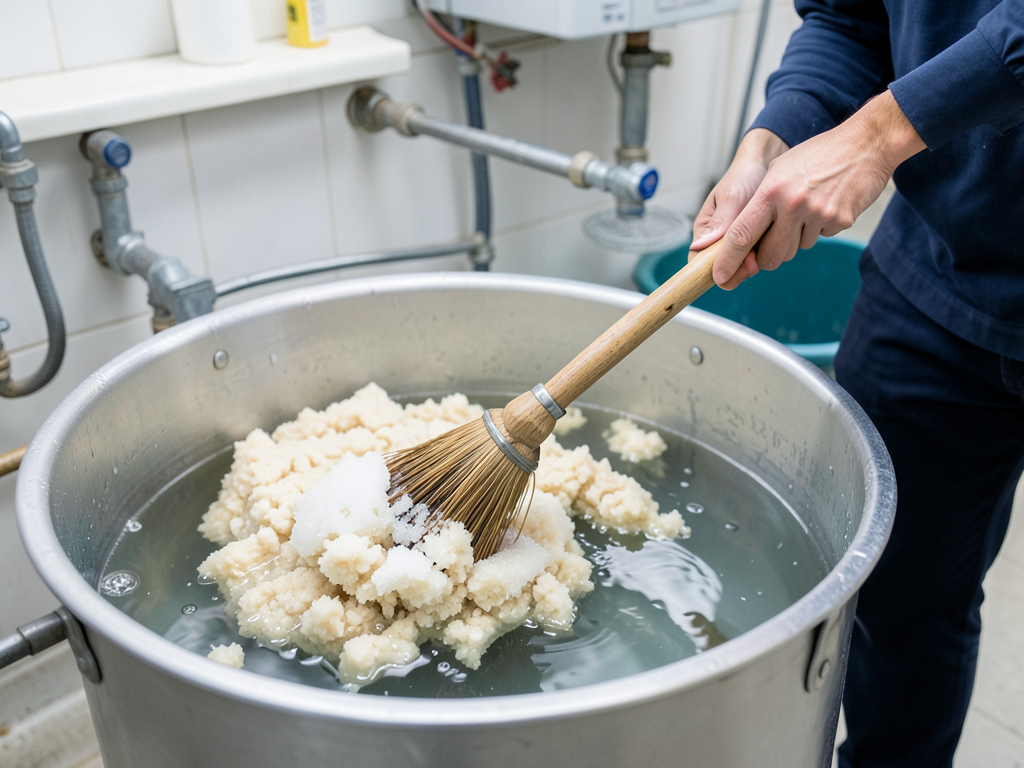







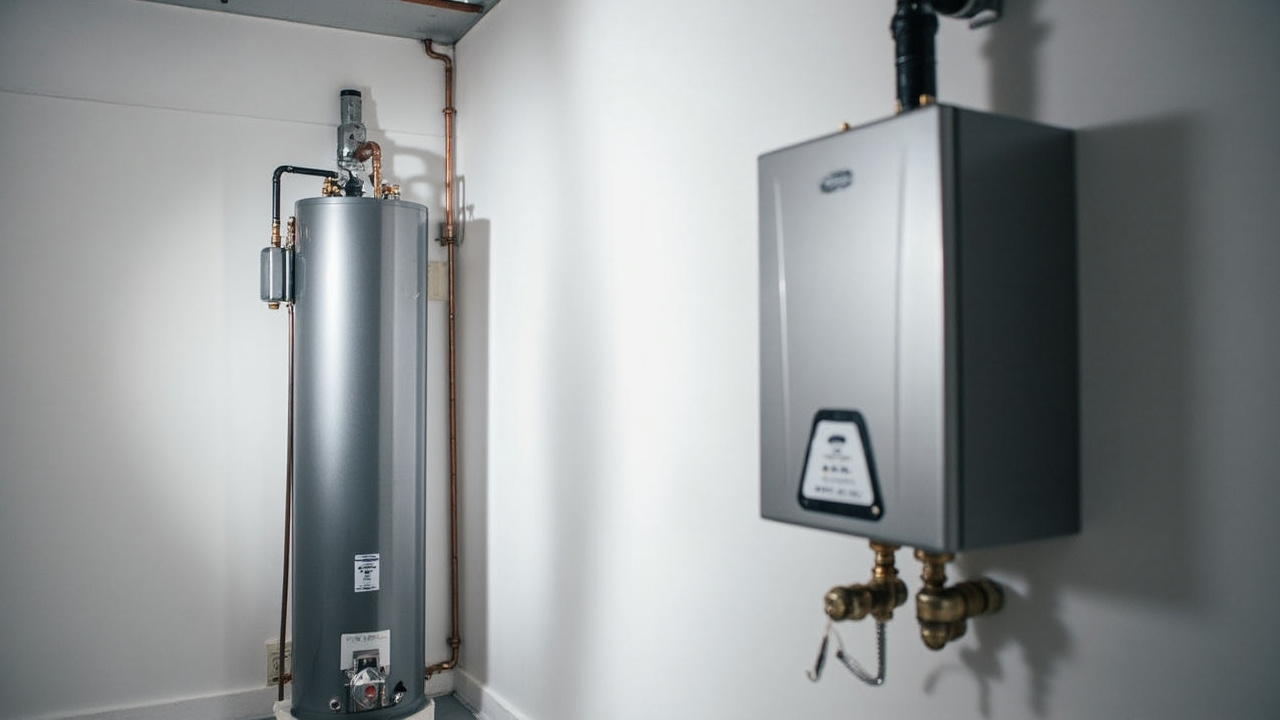
Oklahoma City's municipal water averages 6 to 8 grains per gallon hardness, with higher concentrations in areas served by well water or specific treatment plants. That calcium and magnesium content accelerates mineral buildup in heat exchangers and tank bottoms. Tankless units suffer flow restriction as scale narrows water passages through copper heat exchangers. Storage tanks accumulate sediment layers that insulate water from burner flames, forcing longer heating cycles and higher gas consumption. Oklahoma's chloramine disinfection process also affects anode rod consumption rates in conventional tanks, requiring more frequent replacement than manufacturer schedules suggest. The choice between storage vs instantaneous water heaters must account for these local water chemistry realities that impact maintenance costs and longevity.
Atlas Plumbing Oklahoma City maintains relationships with local building inspectors who recognize our work and trust our code compliance. We understand Oklahoma City's permit requirements and inspection processes, reducing delays and ensuring smooth approvals. Our technicians carry current Oklahoma City business licenses and maintain liability coverage specific to plumbing installations in this jurisdiction. We source parts from local suppliers, which means same-day availability for common components rather than multi-day shipping delays. When you choose local expertise for a traditional vs on-demand water heater decision, you gain access to knowledge that national chains and out-of-state contractors cannot replicate. We live and work in Oklahoma City, and our reputation depends on getting your installation right the first time.