




Menu

Sediment Buildup in Pipes in Oklahoma City – Expert Diagnosis and Permanent Solutions

Atlas Plumbing Oklahoma City identifies the exact source of sediment buildup in pipes, removes mineral deposits and calcium accumulation, and restores full water pressure and quality throughout your plumbing system.

Slider Image 1
Slider Image 2
Slider Image 3
Slider Image 4
Slider Image 5
Slider Image 7
Slider Image 8
Slider Image 9
Slider Image 10
Slider Image 11

Why Oklahoma City Homes Battle Constant Pipe Sediment Problems

Your water pressure drops. You twist the faucet and get a sputtering trickle. The water heater makes popping sounds. These are symptoms of sediment buildup in pipes, and Oklahoma City homeowners see this problem more than most.

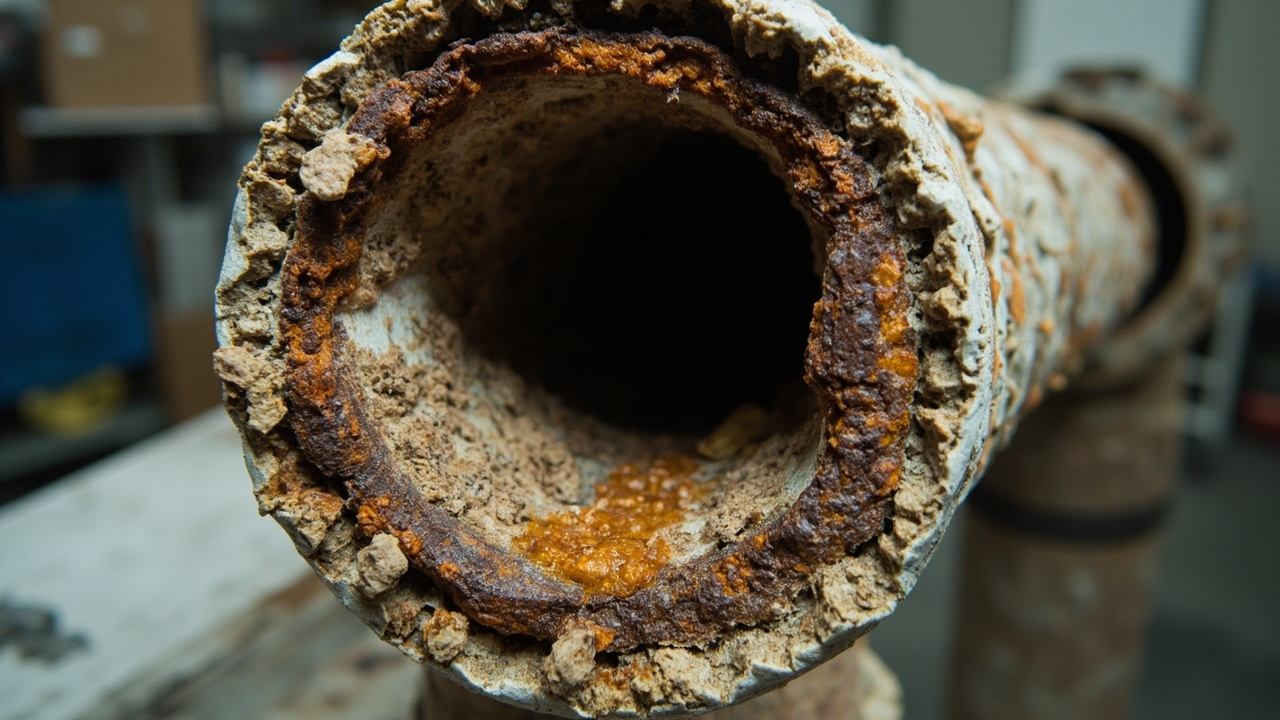
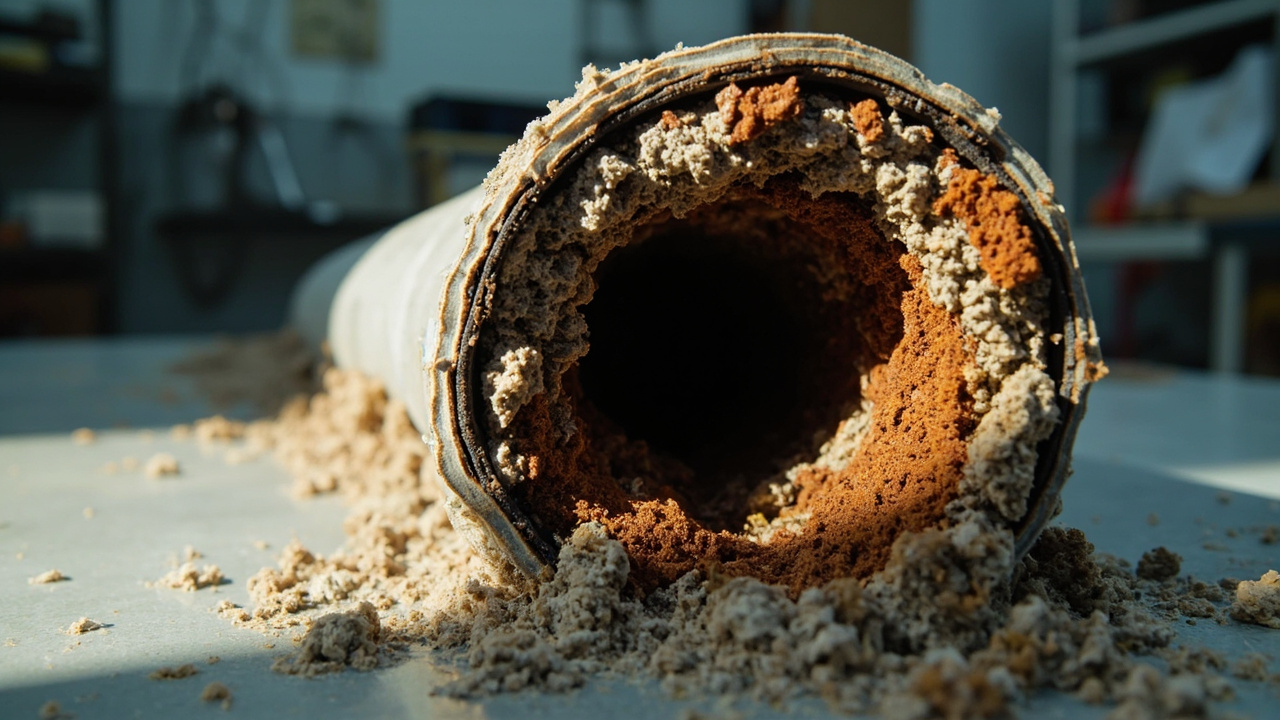
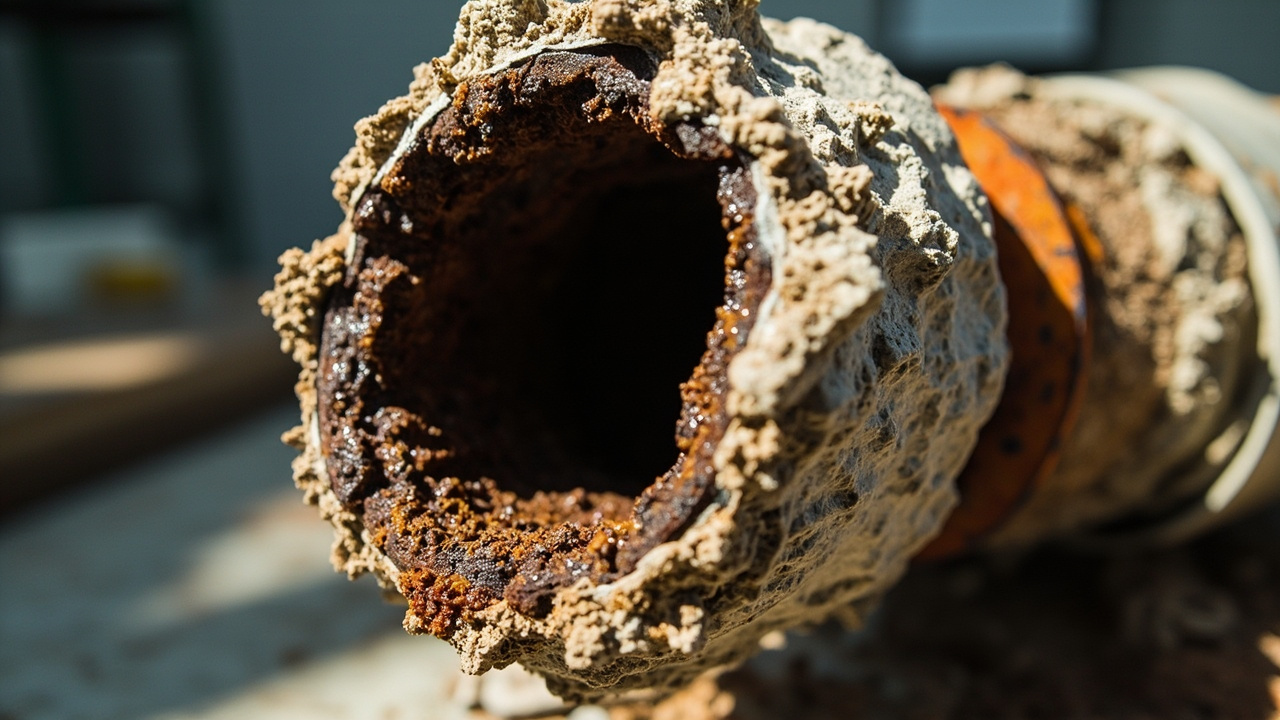
The reason is simple. Oklahoma City pulls water from multiple aquifers, including the Garber-Wellington formation, which delivers high concentrations of dissolved calcium, magnesium, and iron. As this hard water flows through your plumbing, mineral deposits in water pipes accumulate on interior surfaces. Over years, calcium buildup in water lines forms a hardened layer that narrows the pipe diameter and reduces flow.

The process accelerates in hot water systems. When your water heater raises the temperature, dissolved minerals precipitate out and settle. This creates limescale accumulation in plumbing that acts like a sponge for additional sediment. The longer you ignore it, the worse the hard water pipe scaling becomes.

Clay soil movement from Oklahoma's freeze-thaw cycles adds another layer of damage. When pipes shift or develop microscopic cracks, sediment collects at these weak points and accelerates pipe calcification problems. What starts as a small flow restriction can become a complete blockage in months.

You notice it first at fixtures farthest from the water heater. The guest bathroom shower loses pressure. The kitchen faucet sputters. By the time the problem reaches your main bathroom, you have significant buildup throughout the system.

Ignoring sediment buildup does not make it disappear. It compounds. The mineral layer thickens, your water heater efficiency drops, and you risk ruptures in older galvanized or copper lines. The fix requires professional diagnosis and mechanical removal.

Why Oklahoma City Homes Battle Constant Pipe Sediment Problems
How We Remove Sediment and Restore Your Plumbing System

How We Remove Sediment and Restore Your Plumbing System

Atlas Plumbing Oklahoma City does not guess about sediment location or severity. We use diagnostic pressure tests and flow measurements at multiple fixtures to map exactly where mineral deposits restrict your pipes. This tells us whether you have localized buildup at a water heater, widespread scaling throughout branch lines, or calcification at specific pipe joints.

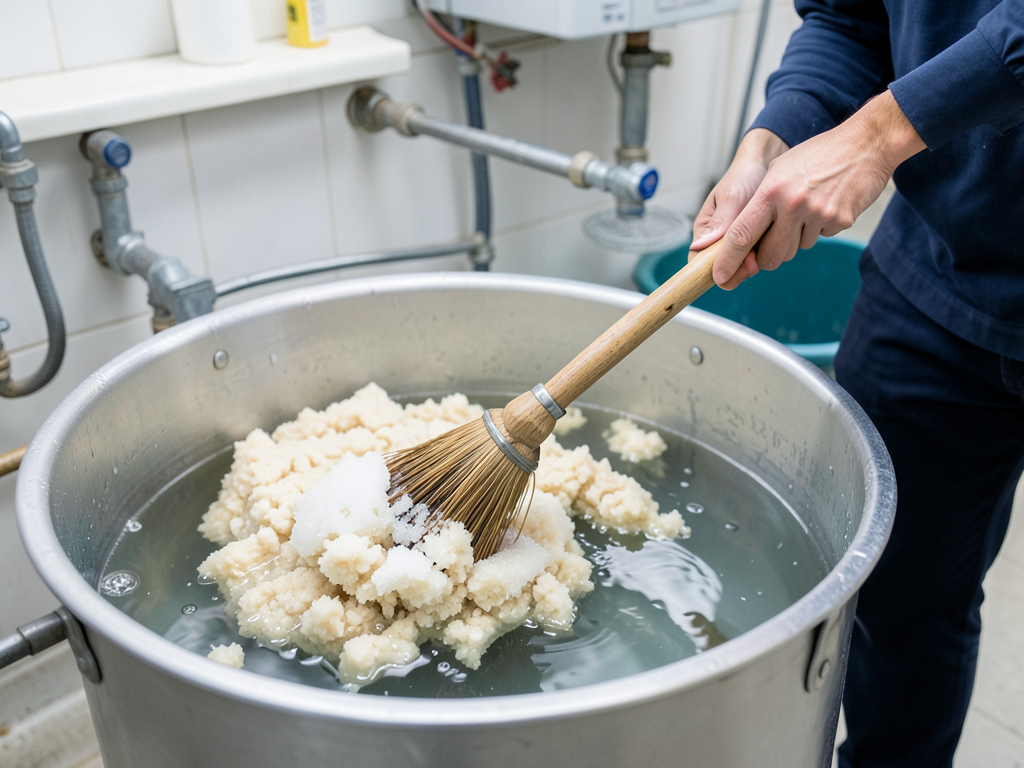
For water heaters, we drain the tank completely and flush it with high-pressure water to dislodge accumulated sediment at the bottom. If the anode rod has deteriorated and contributed to the problem, we replace it. For tankless units, we use descaling solutions that dissolve calcium buildup without damaging the heat exchanger.

Pipe descaling requires mechanical intervention. We use hydro-jetting equipment to send high-pressure water streams through the affected lines. The force breaks apart limescale and flushes debris out through cleanout points. For severe blockages, we deploy sectional cables with cutting heads designed for mineral deposits. These tools physically scrape the interior pipe surface to remove hardened layers.

In cases where scaling has thinned pipe walls or caused pinhole leaks, we recommend selective pipe replacement. Galvanized steel lines from pre-1970s homes are particularly vulnerable. We replace compromised sections with PEX or copper, depending on your system configuration and local code requirements.

After clearing the sediment, we test water quality and measure hardness levels. If your mineral content exceeds 7 grains per gallon, we discuss water softening options to prevent recurrence. A properly sized softener exchanges calcium and magnesium ions for sodium, which does not precipitate out and form scale.

The goal is not just removing current buildup. It is preventing the next cycle of accumulation and extending the life of your pipes and appliances.

What Happens When You Call About Sediment Problems

Sediment Buildup in Pipes in Oklahoma City – Expert Diagnosis and Permanent Solutions
01

System Pressure Analysis

We measure static and dynamic water pressure at multiple fixtures to identify flow restrictions. A plumber tests pressure at the water heater outlet, kitchen sink, and farthest bathroom fixture. The differential readings tell us exactly where sediment has narrowed pipe diameter. We also inspect aerators and showerheads for trapped debris, which confirms mineral composition and buildup severity.
02

Mechanical Descaling

We connect hydro-jetting equipment to your cleanout access points and send pressurized water through the affected lines. The jetting nozzle rotates as it moves through the pipe, breaking apart calcium and limescale layers. For water heaters, we perform a complete tank flush and inspect the heating elements for scale damage. Tankless units receive a descaling chemical treatment that dissolves mineral buildup without disassembly.
03

Water Quality Testing

After clearing the sediment, we test your water hardness and mineral content using calibrated meters. This determines whether you need a water softener to prevent future buildup. We explain the difference between treating the whole house versus point-of-use systems for specific appliances. You receive a written report with hardness levels, recommended treatment options, and maintenance intervals to keep your pipes clear.

Why Oklahoma City Homeowners Trust Atlas Plumbing for Pipe Sediment Issues

Sediment problems in Oklahoma City require local knowledge. We understand the Garber-Wellington aquifer delivers water with 12 to 18 grains of hardness per gallon in many neighborhoods. We know which areas have older galvanized pipes that accelerate scaling. We recognize when clay soil movement has stressed your plumbing and created sediment collection points.

That local experience matters when diagnosing your specific problem. A plumber from out of town might recommend a whole-house repipe when you only need targeted descaling and a water softener. We have cleared sediment from thousands of Oklahoma City homes built between the 1950s and 1990s. We know the common pipe materials, typical failure points, and most cost-effective solutions for each era of construction.

Our diagnostic approach saves you money. We do not assume all low pressure comes from sediment. We test for other causes like pressure regulator failure, partially closed valves, or municipal supply issues. If sediment is the problem, we pinpoint the exact location instead of treating your entire system.

We also understand Oklahoma City building codes for water treatment systems. If you need a softener, we install it with the correct drain connections, backflow prevention, and electrical requirements. We pull permits when required and coordinate inspections.

You want a plumber who has seen your exact problem in your exact type of home. Atlas Plumbing Oklahoma City has worked in Heritage Hills bungalows with original galvanized lines, Nichols Hills ranch homes with copper plumbing, and Edmond subdivisions with PEX manifold systems. We adapt our approach to your infrastructure.

The difference between clearing sediment and solving the sediment problem is prevention. We give you a maintenance plan specific to your water hardness and usage patterns.

What to Expect When We Address Your Sediment Buildup

Response Time and Scheduling

We schedule sediment diagnostics within 24 to 48 hours of your call. Most evaluations take 45 to 90 minutes, depending on your home size and plumbing configuration. If you have a complete loss of pressure or a suspected rupture from scaling damage, we prioritize your appointment and arrive the same day. Descaling work typically requires a half-day appointment to ensure we access all affected lines and test results thoroughly. We coordinate timing around your schedule and explain any water shutoff requirements in advance.

Initial Evaluation Process

The evaluation starts with a pressure test at your main water line and continues at each fixture. We inspect your water heater for sediment accumulation and check aerators for trapped mineral debris. If you have a water softener, we test whether it functions correctly or has reached capacity. We measure water hardness using a titration test that gives precise grain-per-gallon readings. You receive an explanation of where sediment has accumulated, why it happened, and what intervention will restore full flow. The assessment is thorough because guessing creates repeat service calls.

Quality of Completed Work

After descaling, we verify restoration by measuring pressure at the same test points we used during diagnosis. You should see pressure return to the 50 to 70 PSI range, depending on your municipal supply. We flush all fixtures to remove any loosened debris and inspect for leaks at joints that may have weakened from scaling stress. For water heater work, we test the temperature and confirm the unit heats efficiently without the popping sounds caused by sediment. If we installed a softener, we verify proper regeneration cycles and brine tank fill levels. You get clean pipes and a clear explanation of what changed.

Maintenance Recommendations

Preventing sediment recurrence requires ongoing maintenance. We recommend annual water heater flushes if your hardness exceeds 10 grains per gallon. For homes with water softeners, we explain how to monitor salt levels and schedule regeneration cycles based on your water usage. We show you how to check aerators and showerheads for mineral buildup between service calls. If you have older galvanized pipes, we discuss a replacement timeline to avoid future ruptures. The maintenance plan is specific to your water quality and plumbing age, not a generic checklist. Prevention is cheaper than emergency repairs.

Frequently Asked Questions

You Have Questions,
We Have Answers

What causes sediment in water pipes? +

Sediment in water pipes comes from mineral deposits in Oklahoma City's hard water, corroding galvanized or iron pipes, and municipal line disturbances. Our metro's high mineral content leaves calcium and magnesium buildup inside aging pipes. When the city flushes mains or repairs water lines, loose sediment dislodges and travels into your home. Older homes in neighborhoods like Heritage Hills often have corroded pipes that shed rust and scale. Water heaters also generate sediment that backs into supply lines. If you notice cloudy or gritty water after running faucets, sediment buildup is the culprit.

How long does it take to run water to get sediment out? +

Run cold water for 10 to 20 minutes to flush loose sediment from your pipes after a municipal line disturbance. Open the faucet closest to your water meter first, then work toward faucets farther away. If sediment persists after 20 minutes, you have buildup adhered to pipe walls that requires professional removal. In Oklahoma City, hard water accelerates sediment accumulation, so flushing alone rarely solves chronic cloudiness. Avoid running hot water during flushing, as this pulls sediment into your water heater. Persistent sediment indicates corroded pipes or a failing water heater that needs inspection.

How much to flush pipes in a house? +

Professional pipe flushing in Oklahoma City typically ranges from affordable service call fees to higher costs depending on your home's size and pipe condition. A standard whole-house flush takes one to two hours. Costs increase if you need pressure testing, descaling treatments for heavy mineral deposits, or water heater flushing. Homes in older districts with galvanized pipes often require more intensive descaling. DIY flushing costs nothing but time, but it cannot remove hardened scale or reach inaccessible sections. Professional flushing includes inspection to identify corroded sections that may need replacement before causing leaks.

How to remove build up in water pipes? +

Removing buildup requires hydro jetting or chemical descaling for severe cases. A plumber inserts a high pressure hose into your pipes to blast away calcium, rust, and scale. This method works for both supply lines and drains. Chemical descalers dissolve mineral deposits but require careful handling to avoid pipe damage. Oklahoma City's hard water makes buildup common in homes over 15 years old. DIY vinegar flushes help with minor scale, but professional equipment reaches the entire system. If buildup restricts water flow or causes brown water, call a plumber to assess pipe condition before corrosion creates pinhole leaks.

How do you get rid of sediment build up in pipes? +

Getting rid of sediment buildup requires mechanical cleaning or pipe replacement depending on severity. Hydro jetting removes loose sediment and scale from pipe interiors using pressurized water. For galvanized pipes common in older Oklahoma City homes, descaling extends life temporarily, but corrosion eventually requires repiping. Install a whole house sediment filter to trap particles before they enter your plumbing. Water softeners reduce future mineral buildup by treating our hard water supply. Flush your water heater annually to prevent sediment from migrating into supply lines. Persistent sediment signals aging pipes that need professional evaluation.

How much does it cost for a plumber to unblock a pipe? +

Plumbers in Oklahoma City charge service call fees plus labor for basic drain clearing, with costs rising for main line blockages or camera inspection. Simple clogs in sinks or tubs cost less than sewer line obstructions. Prices vary based on blockage location, severity, and time of day. Emergency calls after hours or weekends increase costs. Camera inspection adds to the total but reveals root intrusion or collapsed sections that need repair. Our clay soil shifts pipes and creates cracks where roots infiltrate. Get quotes from licensed plumbers who include camera work to diagnose the full scope before clearing.

How do plumbers unclog the main sewer line? +

Plumbers use motorized drain snakes or hydro jetting to clear main sewer lines. A snake with a cutting head breaks through roots, grease, and debris blocking the line. Hydro jetting shoots high pressure water to scour pipe walls and flush blockages completely. For Oklahoma City homes, camera inspection identifies the blockage type and location before clearing begins. Tree roots from our native species like elm and oak frequently invade older clay sewer lines through cracks. Plumbers feed equipment through cleanout access points to reach the municipal connection. Severe root masses or collapsed sections require excavation and pipe replacement.

Why is my water full of sediment? +

Sediment filled water indicates corroded pipes, disturbed municipal mains, or water heater failure. Oklahoma City's hard water accelerates pipe corrosion, especially in galvanized lines over 40 years old. When rust and scale break loose, you see brown or cloudy water. Municipal crews flushing hydrants or repairing mains stir up sediment that travels into your home. A failing water heater dumps accumulated minerals into supply lines. If sediment appears only at hot taps, your water heater needs flushing or replacement. Persistent sediment at all fixtures signals corroded supply pipes that require inspection to prevent leaks.

What is the average cost to unclog a sewer line? +

Sewer line unclogging costs vary widely based on blockage severity, line depth, and access difficulty. Basic snaking costs less than hydro jetting or excavation for collapsed sections. Camera inspection adds expense but prevents unnecessary digging by pinpointing the exact problem. Oklahoma City's expansive clay soil shifts pipes and creates separations where roots enter. Costs increase for lines under driveways, mature trees, or deep burial. Weekend or emergency service raises prices. Most plumbers quote after camera inspection reveals whether you need simple clearing, spot repair, or full line replacement. Get multiple quotes and ask about warranty coverage.

Will homeowners insurance cover sewer line repair? +

Homeowners insurance rarely covers sewer line repair unless sudden catastrophic damage occurs, like a tree falling and crushing the line. Standard policies exclude gradual deterioration, root intrusion, and maintenance issues that cause most sewer failures. Oklahoma City's shifting clay soil accelerates pipe separation, but insurers consider this normal wear. Some carriers offer optional sewer line endorsements for additional premium. Review your policy declarations and call your agent to confirm coverage before filing a claim. Many homeowners purchase separate sewer line warranties through third party providers to cover unexpected repair costs excluded by traditional insurance.

How Oklahoma City's Aquifer Hardness Accelerates Pipe Scaling

Oklahoma City water comes primarily from the Garber-Wellington aquifer, which runs through sedimentary formations rich in calcium carbonate and magnesium. The result is water hardness levels between 12 and 18 grains per gallon in most areas, with some neighborhoods exceeding 20 grains. This puts Oklahoma City in the "very hard" category. Every gallon that flows through your pipes deposits microscopic mineral particles. Over years, these particles bond into solid layers of limescale that narrow pipe diameter and reduce flow. The hotter the water, the faster the scaling. Your water heater acts as a mineral concentrator, accelerating sediment accumulation at the tank bottom and on heating elements.

Atlas Plumbing Oklahoma City has cleared sediment from plumbing systems in every major neighborhood, from Mesta Park to Quail Creek. We understand which subdivisions have municipal water softening and which rely on untreated aquifer water. We know the difference between scaling in 1960s copper pipe versus modern PEX systems. That local experience means we diagnose faster and recommend solutions based on thousands of Oklahoma City homes, not generic plumbing theory. When you call us, you get a plumber who has seen your exact water quality and your exact pipe configuration before.

Plumbing Services in The Oklahoma City Area

We are proud to serve the entire Oklahoma City metropolitan area and surrounding communities. Our dedicated team is strategically located to ensure a rapid response time for all your plumbing needs, whether it's a scheduled repair or an urgent emergency. We are committed to bringing our expert services right to your doorstep, providing professional and reliable solutions wherever you are in our service region.

Address:
Atlas Plumbing Oklahoma City, 1611 N Broadway Ave, Oklahoma City, OK, 73103

Additional Services We Offer

Our news updates

Latest Articles & News from The Blogs

How a Hybrid Heat Pump Water Heater Handles the Oklahoma City Climate Oklahoma City homeowners face extreme temperature swings from…

How a Hybrid Heat Pump Water Heater Handles the Oklahoma City Climate

How a Hybrid Heat Pump Water Heater Handles the Oklahoma City Climate Oklahoma City homeowners face extreme temperature swings from…

Why Deep Deuce Loft Owners Need a Professional Sewer Camera Inspection

Expert Sewer Camera Inspection in Deep Deuce, Oklahoma City Deep Deuce’s historic charm comes with a hidden plumbing challenge. The…

Why Your New High Efficiency Dishwasher Needs a Dedicated Air Gap in Norman

Why Your New High Efficiency Dishwasher Needs a Dedicated Air Gap in Norman Your new high efficiency dishwasher represents a…

Contact Us

Atlas Plumbing Oklahoma City solves sediment problems permanently. Call (405) 507-3533 now to schedule a diagnostic evaluation. We identify the source, clear the buildup, and give you a prevention plan that works.