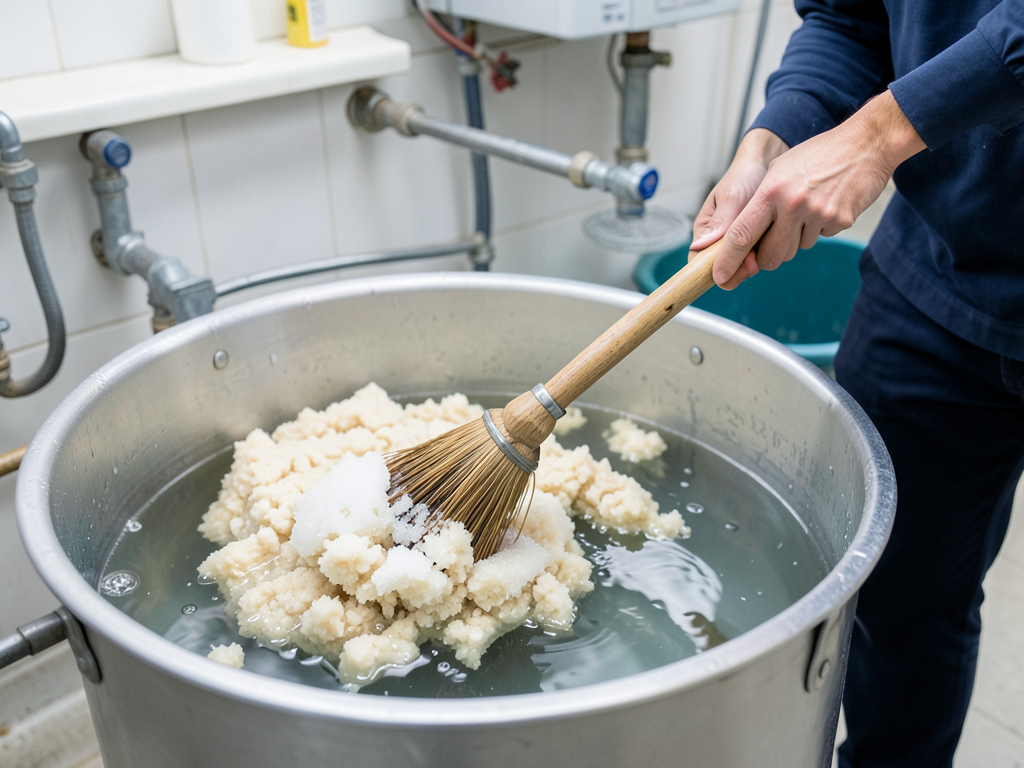





Oklahoma City operates one of the largest combined sewer systems in the region, where stormwater and sanitary waste share the same pipes in many older districts. When heavy rain hits, the system is already stressed, and FOG blockages from commercial kitchens can trigger overflows that spill untreated sewage into the North Canadian River. The city has invested millions in sewer separation projects, but much of the urban core still relies on aging infrastructure. That makes grease trap waste removal and proper grease interceptor cleaning non-negotiable. If your trap overflows during a storm event, you are not just facing a health code violation. You are risking environmental contamination liability and EPA involvement.
Oklahoma City Water Utilities conducts random inspections and requires food service establishments to maintain service records for grease interceptors. Inspectors check manifests, verify service intervals, and measure grease cap thickness. If you cannot produce documentation, you receive a violation notice and a deadline to correct. Repeat offenders face fines and potential closure. Atlas Plumbing Oklahoma City understands these requirements because we work with them daily. We provide the documentation you need, the service frequency that keeps you compliant, and the reliability that protects your business. Local expertise matters when your license is on the line.