
Why Moving a Toilet Is the Most Expensive Part of Your Plaza District Remodel
Moving a toilet during a bathroom remodel sounds simple until you understand what’s really involved. In Oklahoma City’s Plaza District, where most homes sit on concrete slabs, relocating a toilet can easily add $1,500 to $3,000 to your project costs. The expense comes from cutting through reinforced concrete, rerouting waste lines, and ensuring proper venting—all while complying with Oklahoma City building codes. How to Tell if Your Oklahoma City Home Has a Slab Leak Under the Foundation.
Most homeowners underestimate this cost because they don’t see what’s happening beneath the surface. When you move a toilet even a few feet, you’re not just changing its location. You’re altering the entire plumbing system that connects to the city’s main sewer lines through your home’s foundation. Why Edmond Homeowners Should Invest in a Whole House Water Softener.
Average Cost Breakdown for OKC Homeowners
Understanding the true cost of moving a toilet helps you budget accurately for your remodel. Here’s what OKC homeowners typically pay:
| Cost Component | Low-End Estimate | Mid-Range Estimate | High-End Estimate |
|---|---|---|---|
| Slab Cutting & Trenching | $400 | $800 | $1,200+ |
| Piping & Re-routing | $300 | $600 | $1,000+ |
| Vent Stack Relocation | $200 | $400 | $600+ |
| OKC Plumbing Permit | $50 | $75 | $150 |
| Subfloor Repair | $150 | $300 | $500+ |
| Total Cost Range | $1,100 | $2,175 | $3,950+ |
Factors That Impact the Price of Relocating a Toilet
Distance from the Main Soil Stack
The main soil stack is the vertical pipe that carries waste from all your home’s drains to the sewer line. The farther you move your toilet from this stack, the more complex and expensive the job becomes.
Moving a toilet 1-3 feet might only require extending existing pipes. Moving it 6-8 feet often means cutting new trench paths through your slab. Moving it across the room could require completely rerouting the waste line through walls or ceilings.
In Plaza District homes, most bathrooms share walls with other plumbing fixtures. This proximity to existing plumbing makes small adjustments more affordable than complete relocations. Plumbing Edmond.
Flooring and Subfloor Materials (Slab vs. Crawl Space)
Oklahoma City’s building patterns create dramatically different costs. About 85% of homes in the Plaza District sit on concrete slabs, while older neighborhoods might have crawl spaces.
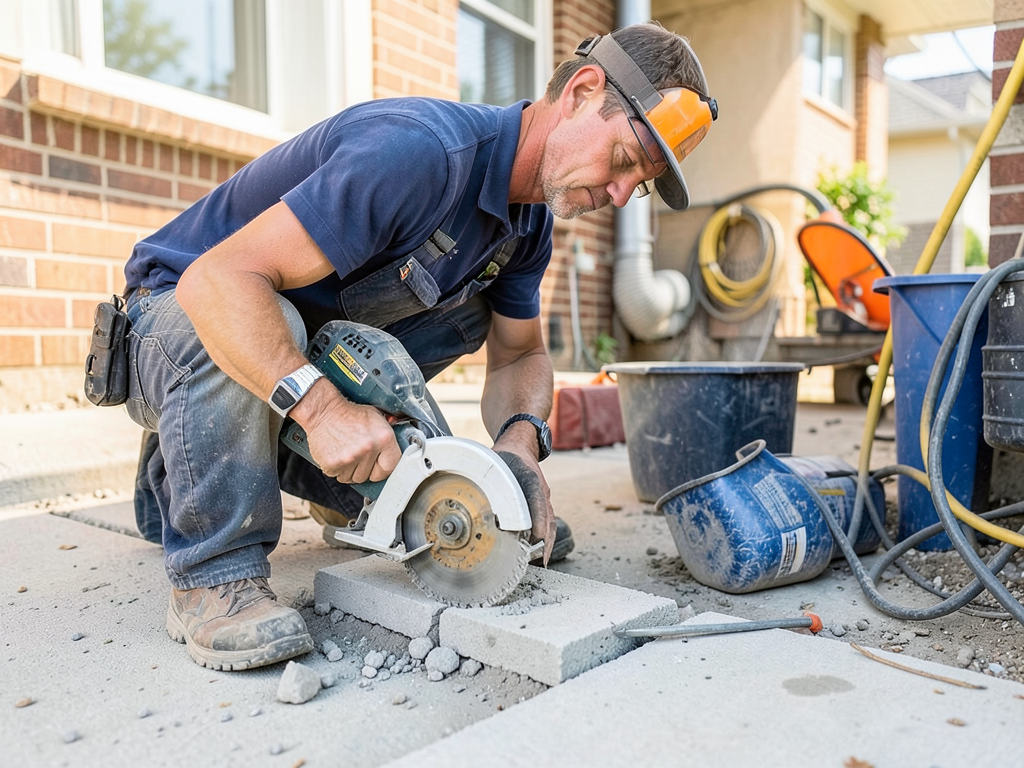
Slab Homes: Cutting through 4-6 inches of concrete reinforced with wire mesh requires specialized diamond-blade saws. Each cut takes 2-3 hours and creates significant dust. The concrete must be patched perfectly to prevent future cracking.
Crawl Space Homes: These require less demolition but more routing through floor joists. While you avoid concrete cutting costs, you’ll need additional support work and moisture barriers.
The Plaza District’s mix of 1920s bungalows and 1950s ranch homes means your specific home’s construction era dramatically affects the price.
Plumbing Venting and Pipe Re-routing
Toilets require proper venting to function correctly. Every drain needs a vent pipe that allows air to enter the system, preventing vacuum locks that stop waste from flowing.
When you move a toilet, you often need to relocate or add vent stacks. These pipes must extend through your roof and meet specific slope requirements. In multi-story Plaza District homes, this might mean cutting through multiple floors.
The existing vent stack location determines much of your cost. If it’s in a convenient location, you might only need 10-15 feet of new vent pipe. If it’s across the house, you could need 30-40 feet of new venting routed through walls.
DIY vs. Professional Plumbing: Why Labor Matters
Many homeowners consider moving a toilet themselves to save money. While DIY can work for simple fixture swaps, toilet relocation involves complexities that make professional work essential.
DIY Risks in OKC: Oklahoma’s expansive clay soil shifts foundations seasonally. Amateur concrete cutting often creates cracks that worsen over time. Incorrect pipe slopes cause chronic clogs. Improper venting leads to slow drains and sewer gas odors.
Professional Advantages: Licensed plumbers understand local soil conditions and building codes. They use specialized tools like rotary hammer drills and pipe cameras. Most importantly, they guarantee their work meets Oklahoma City inspection standards.
Professional plumbers in the OKC metro charge $85-125 per hour, depending on experience and company size. A typical toilet relocation takes 8-16 hours, making labor costs $680-2,000 of your total price. Need a Plumber Right Now in Edmond? We Handle Burst Pipes and Clogs Fast.
Oklahoma City Permits and Building Codes for Plumbing
Moving a toilet isn’t just a construction project—it’s a regulated plumbing alteration that requires proper permitting in Oklahoma City. Plumbing Services.
The Oklahoma City Development Services Department requires permits for any work that alters the drain-waste-vent (DWV) system. This includes moving toilets, sinks, or any fixture connected to the main sewer line. EPA WaterSense toilet efficiency standards.
Permit Costs: Plumbing permits in OKC typically cost $50-150, depending on project scope. For a toilet relocation, expect to pay around $75-100.
Inspection Requirements: After completion, a city inspector must verify that all new plumbing meets the Oklahoma Uniform Building Code. This includes checking pipe slopes (minimum 1/4 inch per foot), vent pipe sizing, and fixture spacing.
Oklahoma City Plumbing Code Section 305 specifically addresses fixture relocation requirements, including minimum distances from walls and proper flange installation.
Working without permits can result in fines up to $500 plus required corrective work. More importantly, unpermitted work can void home insurance claims and create problems when selling your home.
Get a Precise Estimate for Your OKC Bathroom Remodel
Every toilet relocation is unique based on your home’s specific construction. A licensed plumber needs to inspect your bathroom to provide accurate pricing.
During an assessment, professionals evaluate:
- Concrete slab thickness and reinforcement
- Existing plumbing layout and accessibility
- Vent stack locations and routing options
- Floor joist direction (for homes with crawl spaces)
- OKC permit requirements for your specific project
Most reputable plumbers offer free estimates that include a detailed scope of work. This protects you from surprise costs and ensures the project meets all local codes.
Ready to get accurate pricing for your Plaza District bathroom remodel? Call (405) 507-3533 today to schedule your inspection. Our licensed plumbers will evaluate your specific situation and provide a written estimate that includes all necessary permits and inspections.
Frequently Asked Questions
Can I move my toilet without cutting the concrete slab?
Only if your existing plumbing allows it. Most toilet relocations in slab homes require concrete cutting because waste lines run through the foundation. However, if you’re moving the toilet to an adjacent location where existing pipes can be extended, you might avoid slab demolition.
How long does it take to move a toilet in a typical OKC home?
A standard toilet relocation takes 2-3 days. Day one involves demolition and cutting new paths. Day two installs new plumbing and connections. Day three completes testing, inspection, and fixture installation. Complex projects requiring extensive rerouting or multiple floor penetrations may take 4-5 days.
Will moving my toilet increase my home’s value?
Moving a toilet can increase value if it improves bathroom functionality and layout. However, the $1,500-3,000 cost rarely provides dollar-for-dollar return. Focus on moving toilets only when it significantly improves traffic flow, adds storage space, or enables better fixture placement.
Do I need a permit to move a toilet in Oklahoma City?
Yes. Oklahoma City requires permits for any work that alters the drain-waste-vent system, including toilet relocations. The permit ensures your new plumbing meets code requirements for slopes, venting, and fixture spacing. Working without permits can result in fines and inspection failures.
What’s the cheapest way to change my bathroom layout without moving the toilet?
Consider keeping the toilet in its current location and moving other fixtures instead. Sinks and vanities are much cheaper to relocate since they connect to existing water supply lines rather than waste systems. You can also update the bathroom’s appearance with new tile, fixtures, and lighting without changing the plumbing layout.
Don’t let unexpected plumbing costs derail your bathroom remodel. Understanding the true expense of moving a toilet helps you make informed decisions about your Plaza District home improvement project. Whether you’re planning a complete gut renovation or just adjusting fixture locations, proper planning and professional installation ensure your new bathroom functions perfectly for years to come.
Call (405) 507-3533 now to speak with our OKC plumbing experts about your bathroom remodel plans. We’ll help you understand all your options and provide accurate pricing before you start demolition.
{
“@context”: “https://schema.org”,
“@type”: “BlogPosting”,
“headline”: “Why Moving a Toilet Is the Most Expensive Part of Your Plaza District Remodel”,
“description”: “Discover why relocating a toilet in your Plaza District bathroom remodel can cost $1,500-$3,000+ due to slab cutting, venting, and OKC permit requirements.”,
“wordCount”: 1397,
“datePublished”: “2026-06-08T12:27:00.000Z”,
“dateModified”: “2026-06-08T12:27:00.000Z”,
“inLanguage”: “en-US”,
“mainEntityOfPage”: {
“@type”: “WebPage”,
“@id”: “https://atlasplumbingoklahomacity.com”
},
“publisher”: {
“@type”: “LocalBusiness”,
“name”: “Atlas Plumbing Oklahoma City”,
“url”: “https://atlasplumbingoklahomacity.com”
},
“author”: {
“@type”: “Organization”,
“name”: “Atlas Plumbing Oklahoma City”,
“url”: “https://atlasplumbingoklahomacity.com”
},
“image”: {
“@type”: “ImageObject”,
“url”: “https://atlasplumbingoklahomacity.com/wp-content/uploads/2026/03/why-moving-a-toilet-is-the-most-expensive-part-of-1.png”
}
}
{
“@context”: “https://schema.org”,
“@type”: “Plumber”,
“name”: “Atlas Plumbing Oklahoma City”,
“url”: “https://atlasplumbingoklahomacity.com”,
“address”: {
“@type”: “PostalAddress”,
“addressLocality”: “Oklahoma City”
},
“areaServed”: {
“@type”: “City”,
“name”: “Oklahoma City”
}
}
{
“@context”: “https://schema.org”,
“@type”: “FAQPage”,
“mainEntity”: [
{
“@type”: “Question”,
“name”: “Can I move my toilet without cutting the concrete slab?”,
“acceptedAnswer”: {
“@type”: “Answer”,
“text”: “Only if your existing plumbing allows it. Most toilet relocations in slab homes require concrete cutting because waste lines run through the foundation. However, if you’re moving the toilet to an adjacent location where existing pipes can be extended, you might avoid slab demolition.”
}
},
{
“@type”: “Question”,
“name”: “How long does it take to move a toilet in a typical OKC home?”,
“acceptedAnswer”: {
“@type”: “Answer”,
“text”: “A standard toilet relocation takes 2-3 days. Day one involves demolition and cutting new paths. Day two installs new plumbing and connections. Day three completes testing, inspection, and fixture installation. Complex projects requiring extensive rerouting or multiple floor penetrations may take 4-5 days.”
}
},
{
“@type”: “Question”,
“name”: “Will moving my toilet increase my home’s value?”,
“acceptedAnswer”: {
“@type”: “Answer”,
“text”: “Moving a toilet can increase value if it improves bathroom functionality and layout. However, the $1,500-3,000 cost rarely provides dollar-for-dollar return. Focus on moving toilets only when it significantly improves traffic flow, adds storage space, or enables better fixture placement.”
}
},
{
“@type”: “Question”,
“name”: “What’s the cheapest way to change my bathroom layout without moving the toilet?”,
“acceptedAnswer”: {
“@type”: “Answer”,
“text”: “Consider keeping the toilet in its current location and moving other fixtures instead. Sinks and vanities are much cheaper to relocate since they connect to existing water supply lines rather than waste systems. You can also update the bathroom’s appearance with new tile, fixtures, and lighting without changing the plumbing layout.”
}
}
]
}
{
“@context”: “https://schema.org”,
“@type”: “BreadcrumbList”,
“itemListElement”: [
{
“@type”: “ListItem”,
“position”: 1,
“name”: “Home”,
“item”: “https://atlasplumbingoklahomacity.com”
},
{
“@type”: “ListItem”,
“position”: 2,
“name”: “Blog”,
“item”: “https://atlasplumbingoklahomacity.com/blog”
},
{
“@type”: “ListItem”,
“position”: 3,
“name”: “Why Moving a Toilet Is the Most Expensive Part of Your Plaza District Remodel”
}
]
}
{
“@context”: “https://schema.org”,
“@type”: “Service”,
“serviceType”: “Plumbing”,
“provider”: {
“@type”: “LocalBusiness”,
“name”: “Atlas Plumbing Oklahoma City”,
“url”: “https://atlasplumbingoklahomacity.com”
},
“areaServed”: {
“@type”: “City”,
“name”: “Oklahoma City”
},
“description”: “Discover why relocating a toilet in your Plaza District bathroom remodel can cost $1,500-$3,000+ due to slab cutting, venting, and OKC permit requirements.”
}