




Menu

Plumbing Inspection Checklist for Oklahoma City Homes – Catch Problems Before They Cost Thousands

Use this comprehensive plumbing maintenance checklist to identify leaks, corrosion, and system failures early, protecting your Oklahoma City home from expensive water damage and emergency repairs.

Slider Image 1
Slider Image 2
Slider Image 3
Slider Image 4
Slider Image 5
Slider Image 7
Slider Image 8
Slider Image 9
Slider Image 10
Slider Image 11

Why Oklahoma City Homes Need Regular Plumbing Inspections

Oklahoma City's expansive clay soil shifts with seasonal moisture changes, putting constant pressure on underground sewer lines and water mains. When the soil contracts during dry summers and expands during wet springs, your home's plumbing system absorbs that movement. The result is cracked pipes, separated joints, and slab leaks that can go unnoticed for months.

Add in the region's hard water, and you face accelerated mineral buildup inside pipes, reduced water pressure, and shortened water heater lifespans. A preventative plumbing maintenance checklist helps you identify these issues before a small leak becomes a flooded basement.

Most homeowners in the metro area only call a plumber when something breaks. That approach costs more in the long run. A residential plumbing checkup list catches worn-out components, corroded fittings, and failing shut-off valves while repairs are still manageable. You spot a slow drip under the sink instead of discovering mold behind the drywall six months later.

This home plumbing inspection list covers every system in your house, from supply lines to drain stacks. You will know what to look for, where problems hide, and when to call a professional. Use this plumbing system inspection guide quarterly to stay ahead of failures. Your insurance company will thank you, and your wallet will too.

Why Oklahoma City Homes Need Regular Plumbing Inspections
How to Conduct a Complete Home Plumbing Inspection

How to Conduct a Complete Home Plumbing Inspection

A thorough plumbing maintenance checklist begins with visible supply lines and works systematically through every fixture and appliance. Start under sinks and behind toilets, checking flexible supply hoses for cracks, bulges, or corrosion on the compression fittings. These fail more often than rigid copper lines, especially in homes with high water pressure.

Next, inspect shut-off valves by turning them clockwise and counterclockwise. Valves that sit untouched for years seize up. If you cannot turn a valve smoothly, it needs replacement before you face an emergency. Check the water heater for rust stains on the tank, moisture around the pressure relief valve, and sediment buildup in the drain pan. A residential plumbing checkup list should include flushing the tank to remove mineral deposits that reduce efficiency and shorten the unit's life.

Move to drain lines. Pour water down floor drains in the basement and garage to keep the P-trap filled and prevent sewer gas from entering your home. Test every fixture drain for slow flow. If water backs up in the tub when you flush the toilet, you have a partial blockage in the main drain line.

Check exposed pipes in the crawlspace or basement for green corrosion on copper, white mineral deposits on galvanized steel, or moisture around joints. Your plumbing system inspection guide must include the main sewer cleanout. Remove the cap and look for standing water or roots, both signs of a blockage forming in the line to the street.

Three Steps to a Complete Plumbing System Inspection

Plumbing Inspection Checklist for Oklahoma City Homes – Catch Problems Before They Cost Thousands
01

Document Visible Components

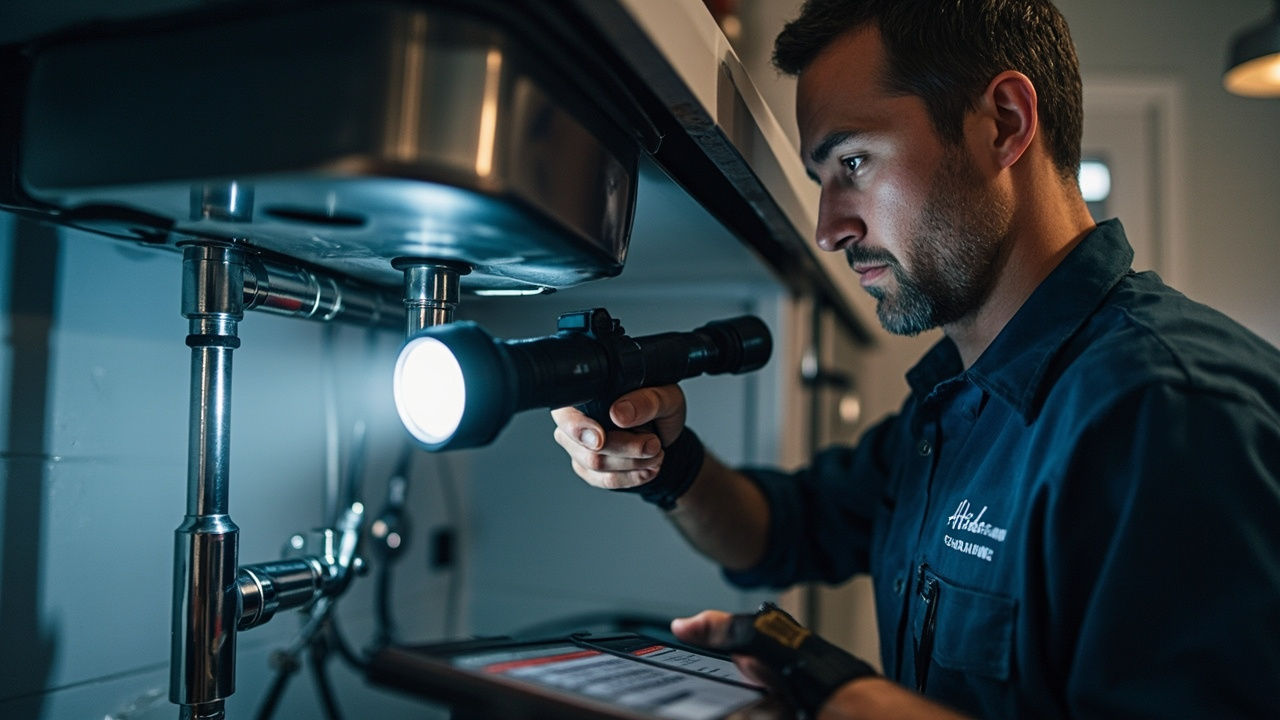
Walk through your home with a flashlight and notebook, checking every exposed pipe, valve, and fixture. Look under sinks, behind toilets, around the water heater, and in the crawlspace. Note any moisture, corrosion, or unusual sounds. Take photos of problem areas so you can track changes over time and show a plumber exactly what you found.
02

Test Water Pressure

Use a pressure gauge on an outdoor hose bib to measure water pressure. Oklahoma City homes should read between 40 and 70 psi. Pressure above 80 psi stresses pipes, causes leaks, and shortens fixture lifespans. Pressure below 40 psi signals a clogged line or a failing pressure regulator. Both conditions require professional adjustment.
03

Review and Prioritize Repairs

Organize your findings by urgency. Active leaks and failing water heaters need immediate attention. Corroded shut-off valves and slow drains can be scheduled within the next few weeks. Cosmetic issues like stained fixtures can wait. This prioritization keeps you from overspending while addressing the problems that threaten real damage to your home.

Why Atlas Plumbing Oklahoma City Knows Local Systems Better

Atlas Plumbing Oklahoma City has worked on thousands of homes across the metro, from historic bungalows in Heritage Hills to new construction in Edmond. We understand how the local clay soil affects underground lines, how hard water accelerates corrosion, and which pipe materials hold up best in this climate.

We have seen the same problems repeat across neighborhoods. Homes built in the 1970s often have polybutylene supply lines that crack without warning. Properties near the North Canadian River deal with higher water tables that stress sewer laterals. Homes in older districts like Mesta Park still use cast iron drain stacks that rust from the inside out. A generic home plumbing inspection list does not account for these regional patterns. Our preventative plumbing maintenance checklist does.

When you follow our residential plumbing checkup list, you catch issues specific to Oklahoma City homes. We know which parts fail first, which repairs provide the best return, and when to replace instead of patch. You get advice tailored to your home's age, construction, and location within the metro.

We also understand local code requirements. Oklahoma City updated its plumbing code in recent years, and older homes often need upgrades during remodels or sales. Our team knows what inspectors look for, which permits you need, and how to bring outdated systems up to current standards without unnecessary expense. That local knowledge saves you time, money, and headaches when repairs become unavoidable.

What to Expect When You Use This Checklist

Time to Complete the Inspection

A full home plumbing inspection list takes about two hours for an average-sized home. You will spend most of that time in the basement, crawlspace, and under sinks. If you find multiple issues, document them and call Atlas Plumbing Oklahoma City for a professional assessment. We can usually schedule a visit within 24 to 48 hours to evaluate your findings and provide repair estimates. Emergency situations like active leaks or sewer backups get same-day response.

How Professional Inspections Differ

Your preventative plumbing maintenance checklist covers visible components. A professional inspection includes video camera scoping of drain lines, pressure testing of supply pipes, and thermal imaging to detect hidden leaks. We inspect the sewer lateral from the house to the street, check the backflow preventer, and test the pressure relief valve on the water heater. These steps require specialized equipment and training you cannot replicate with a DIY residential plumbing checkup list.

The Reports You Receive

After a professional inspection, you receive a detailed report with photos, findings, and prioritized recommendations. We explain what needs immediate repair, what to monitor, and what can wait. You will understand the condition of your plumbing system, expected lifespans of major components, and budget estimates for future replacements. This transparency helps you plan maintenance instead of reacting to emergencies. You control the timeline and the spending.

Ongoing Maintenance Plans

Use your plumbing system inspection guide quarterly to stay current. Many homeowners in Oklahoma City schedule professional inspections annually, especially if they have older homes or have experienced past issues. Regular checkups catch problems early, extend the life of your system, and keep small repairs from becoming major projects. Atlas Plumbing Oklahoma City offers maintenance plans that include annual inspections, priority scheduling, and discounts on repairs for members.

Frequently Asked Questions

You Have Questions,
We Have Answers

What is included in a plumbing inspection? +

A plumbing inspection examines all water supply lines, drain lines, water heater, fixtures, and visible piping. Inspectors check for leaks, corrosion, water pressure issues, and proper drainage. They test toilets, faucets, and showerheads for function. The water heater gets evaluated for age, capacity, and safety. In Oklahoma City, inspectors pay extra attention to slab foundation plumbing and signs of shifting clay soil damage. They also examine outdoor hose bibs for freeze damage from winter temperature swings. Sewer lines may get camera inspection if blockages or tree root intrusion is suspected. You receive a detailed report with findings and repair recommendations.

What are the 7 steps of the inspection process? +

The inspection process starts with a pre-inspection consultation to discuss concerns. Second, the inspector performs a visual assessment of all accessible plumbing components. Third, they test water pressure and flow rates at multiple fixtures. Fourth, they run water through all drains to check drainage speed and listen for gurgling. Fifth, they inspect the water heater for proper operation and safety hazards. Sixth, they may use specialized tools like cameras for sewer lines or leak detectors. Seventh, they compile findings into a written report with photos and prioritized repair recommendations. This systematic approach ensures nothing gets missed in your Oklahoma City property.

What things are big red flags in a home inspection? +

Major red flags include active water leaks, evidence of previous water damage like stains or soft spots, and outdated galvanized steel pipes that rust from the inside. Sewer line backups or multiple slow drains signal main line problems. A water heater older than 12 years or showing rust needs replacement soon. Low water pressure throughout the home indicates supply line issues. In Oklahoma City, foundation cracks with visible pipe separation are critical due to expansive clay soil movement. Polybutylene pipes installed before 1995 are prone to failure. DIY repairs with improper materials or missing permits also raise concerns about hidden problems.

What are the 5 main items you should inspect for at a drain detail? +

At a drain detail, inspect the P-trap for proper configuration and watertight seals. Check that the trap maintains water to block sewer gases. Second, examine all visible drain piping for cracks, corrosion, or improper slope. Third, verify proper venting to prevent slow drainage and gurgling sounds. Fourth, test drainage flow by running water and watching for backup or pooling. Fifth, look for signs of previous leaks like water stains, efflorescence, or cabinet damage beneath fixtures. In Oklahoma City, also check for separation at connections where soil movement may have stressed joints. Each element affects drainage performance and prevents future problems.

How much should a plumbing inspection cost? +

Plumbing inspections in Oklahoma City typically range from $150 to $400 for standard residential properties. Price depends on home size, age, and inspection scope. A basic visual inspection costs less than a comprehensive evaluation with sewer camera service. Older homes with complex plumbing or properties on crawl spaces require more time and cost more. Standalone plumbing inspections cost more than bundled home inspections. Sewer line camera inspection adds $200 to $400 separately. Emergency or rush inspections carry premium pricing. The investment protects you from expensive surprises, especially in areas with shifting clay soil that stresses underground pipes.

What is the 135 rule for plumbing? +

The 135 rule refers to maximum fixture unit loading for drain, waste, and vent systems. It states that a 3-inch drain pipe can handle 135 fixture units when properly vented. This calculation ensures adequate drainage capacity without overloading the system. Each plumbing fixture has an assigned unit value based on typical discharge volume. A toilet equals 4 units, a shower equals 2 units, and a sink equals 1 unit. Plumbers use this formula during new construction or major remodels to size drain pipes correctly. Oklahoma City follows International Plumbing Code standards that incorporate these calculations to prevent drainage problems and ensure code compliance.

What should be included in an inspection checklist? +

An inspection checklist should cover all water supply lines for leaks, corrosion, and proper pressure. Include drain lines and venting for adequate slope and function. Document water heater age, condition, and temperature setting. List all fixtures with operational status and leak evidence. Note pipe materials and any outdated systems like galvanized steel or polybutylene. Check shut-off valves for accessibility and function. Include outdoor plumbing like hose bibs and sprinkler systems. For Oklahoma City properties, add foundation-related items like slab leaks or pier movement effects. Document gas lines if applicable. Include sewer line condition if camera inspection is performed. Prioritize findings by urgency and safety.

What are the 4 types of inspections? +

The four main inspection types are pre-purchase inspections for homebuyers evaluating a property before closing. Second, maintenance inspections help homeowners identify problems before they become emergencies. Third, insurance inspections assess risk for coverage eligibility, common for older Oklahoma City homes. Fourth, permit inspections verify new work meets code requirements during construction or remodeling. Some add pre-listing inspections where sellers identify issues before marketing their home. Each type serves different purposes but examines similar components. Pre-purchase inspections are most comprehensive, while permit inspections focus only on new work. The right inspection type depends on your specific situation and goals.

What's needed to pass an inspection? +

Passing inspection requires all plumbing work to meet current Oklahoma City building codes. Pipes must be properly sized, sloped, and supported according to specifications. All connections need watertight seals without leaks. Fixtures must function correctly with adequate water pressure. The system needs proper venting to prevent drain problems and sewer gas entry. Water heaters require proper clearances, temperature settings, and safety devices like pressure relief valves. Gas lines need correct sizing and leak-free connections. Work must match permitted plans if permits were required. Inspectors verify materials meet code standards. Address any violations before reinspection. Keep installation clean and accessible for future maintenance.

What will make you fail a home inspection? +

You fail when inspectors find active leaks, improper drain venting, or unsafe gas line connections. Outdated materials like polybutylene pipes or failing galvanized steel raise concerns. Sewer line blockages or evidence of frequent backups signal major problems. Improperly installed water heaters without safety devices or adequate clearances fail. Cross-connections between potable water and contaminated sources are critical failures. In Oklahoma City, foundation movement causing pipe separation or slab leaks are serious issues. Missing permits for previous work, DIY repairs with improper materials, and code violations also result in failed inspections. Low water pressure throughout indicates supply line problems requiring correction before passing.

How Oklahoma City's Clay Soil Damages Underground Plumbing

The expansive clay soil throughout Oklahoma City creates constant movement in the ground beneath your home. When dry conditions cause the clay to contract, underground pipes lose support and sag. When heavy rains saturate the soil, it expands and pushes pipes upward. This cycle stresses joints, cracks rigid pipe materials, and separates connections that were solid when installed. A plumbing maintenance checklist must include checking for slow drains and wet spots in the yard, both signs that your sewer lateral is shifting or cracking underground.

Atlas Plumbing Oklahoma City has replaced hundreds of sewer laterals damaged by soil movement across the metro. We know which neighborhoods face the highest risk, which pipe materials resist shifting better, and how to install lines that flex with the ground instead of fighting it. Local expertise matters because a plumber from another region might not recognize the warning signs specific to Oklahoma City's soil conditions. We spot the problems before they escalate into full failures.

Plumbing Services in The Oklahoma City Area

We are proud to serve the entire Oklahoma City metropolitan area and surrounding communities. Our dedicated team is strategically located to ensure a rapid response time for all your plumbing needs, whether it's a scheduled repair or an urgent emergency. We are committed to bringing our expert services right to your doorstep, providing professional and reliable solutions wherever you are in our service region.

Address:
Atlas Plumbing Oklahoma City, 1611 N Broadway Ave, Oklahoma City, OK, 73103

Additional Services We Offer

Our news updates

Latest Articles & News from The Blogs

Solving the Unique Plumbing Layout Challenges in Film Row Lofts and Condos \n\n Film Row in Oklahoma City presents unique…

Solving the Unique Plumbing Layout Challenges in Film Row Lofts and Condos

Solving the Unique Plumbing Layout Challenges in Film Row Lofts and Condos \n\n Film Row in Oklahoma City presents unique…

Why Moving a Toilet Is the Most Expensive Part of Your Plaza District Remodel

Why Moving a Toilet Is the Most Expensive Part of Your Plaza District Remodel Moving a toilet during a bathroom…

Why Your Water Softener Salt Tank Is Caking Up (And How to Fix the Salt Bridge)

Why Your Water Softener Salt Tank Is Caking Up (And How to Fix the Salt Bridge) If you’re seeing a…

Contact Us

Use this checklist to start your inspection, then call Atlas Plumbing Oklahoma City at (405) 507-3533 for a complete system evaluation. We will catch the problems you cannot see and provide clear, honest recommendations. Do not wait for a pipe to burst.