Plumbing Challenges and Codes for Building a Tiny House in Oklahoma County
Building a tiny house in Oklahoma County means navigating unique plumbing challenges that standard home systems simply cannot address. From compact fixture layouts to mobile home water supply connections, every inch and every connection must comply with Oklahoma City municipal codes while withstanding the region’s freeze-thaw cycles. This guide breaks down the exact requirements, material choices, and installation strategies that ensure your tiny home’s plumbing is safe, legal, and built to last. Oklahoma City Development Services.
Understanding Oklahoma City’s Tiny House Plumbing Regulations
Oklahoma City treats tiny houses under two categories: foundation-built Accessory Dwelling Units (ADUs) and Tiny Houses on Wheels (THOWs). ADUs must comply with the Oklahoma Uniform Building Code Commission (OUBCC) Chapter 11, which mandates a minimum of one bathroom with a flushing toilet connected to the municipal sewer or an approved septic system. THOWs fall under RVIA (Recreational Vehicle Industry Association) standards but still require a permit for permanent hookup in Oklahoma City. The city’s Development Services Department enforces Title 29 of the Oklahoma City Plumbing Code, which includes specific frost line requirements of 18 inches for exterior water supply lines to prevent freezing during winter months. Oklahoma Department of Environmental Quality.
Key differences in code compliance include:
- Foundation ADUs require a building permit, pressure-tested PEX or copper supply lines, and a permanent sewer connection.
- THOWs need a temporary or RV-style sewer connection with a flexible hose rated for black water, and may use a composting toilet if the owner opts out of sewer service.
- Both types must use NSF-certified fixtures and backflow prevention devices where potable water connects to irrigation or gray water systems.
Foundation vs. Mobile: Plumbing System Design Differences
Choosing between a permanent foundation and wheels changes every plumbing decision. Foundation builds allow standard 3/4-inch copper or PEX water mains buried below frost depth, while THOWs require flexible, vibration-resistant PEX-A tubing to handle road movement. Foundation systems use rigid PVC drain lines with cleanouts every 100 feet; THOWs use smaller diameter ABS or flexible drain hose with RV-approved termination caps. Plumbing Edmond.
Space-saving fixtures become critical in tiny layouts. A 24-inch wall-mounted sink with integrated cabinet frees up floor space compared to a standard 30-inch vanity. Tankless water heaters, either electric or propane, eliminate the 40-gallon tank footprint but require proper venting and gas line sizing per NFPA 54. For off-grid builds, a 12-volt DC water pump with a 20-30 gallon freshwater tank under the floor provides pressure without municipal hookup. How to Tell if Your Oklahoma City Home Has a Slab Leak Under the Foundation.
Water Supply and Drainage for Oklahoma’s Climate
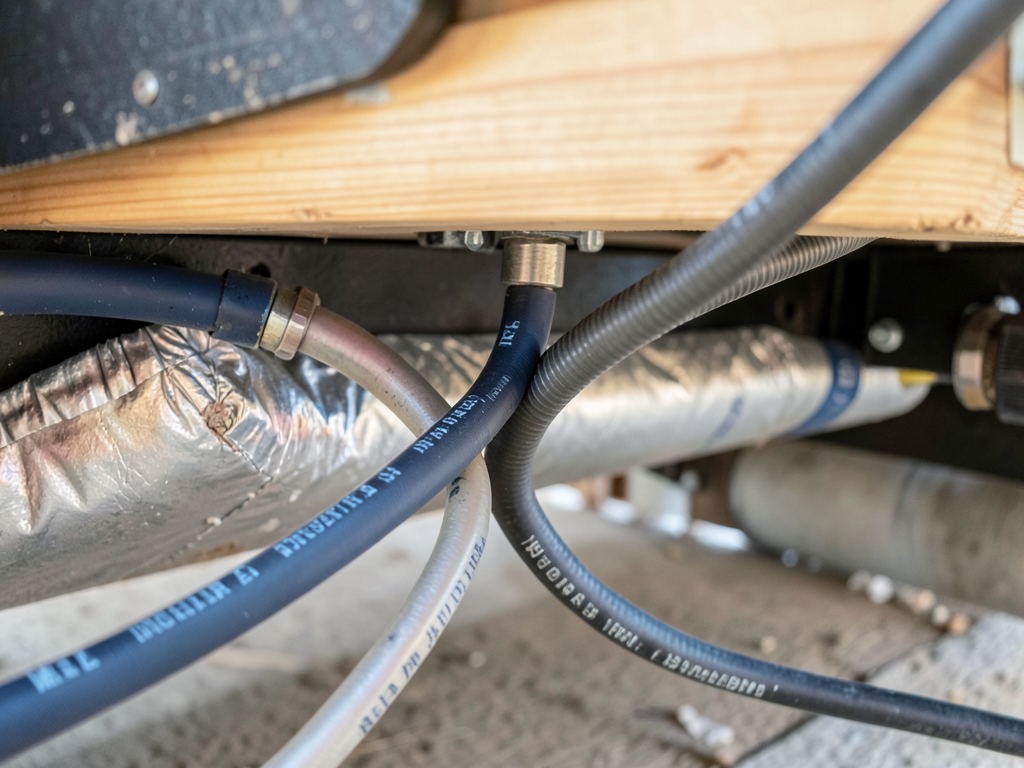
Oklahoma’s climate demands freeze protection beyond code minimums. Exterior PEX lines should be insulated with foam sleeves and heat tape controlled by a thermostat to prevent ice expansion. In exposed THOWs, skirting with insulated panels reduces wind chill on undercarriage plumbing. Oklahoma City’s average January low of 29°F means any unheated crawl space or underbelly area must have heat tape or a small electric heater on a thermostat. Plumbing Services.
Drainage systems face different stresses. Foundation builds use 4-inch PVC main lines with cleanouts at property line and building exit. THOWs use 3-inch RV-approved drain hose with cam-lock fittings for quick disconnect. Both must handle Oklahoma’s occasional 3-5 inch rain events, so proper slope (1/4 inch per foot minimum) and cleanouts prevent backups. Gray water from sinks and showers can be diverted to a French drain or mulch basin if local codes allow, but black water must go to sewer or septic.. Read more about Gas vs Electric Water Heaters (Which One Saves More Money on Oklahoma City Utilities).
Choosing the Right Fixtures and Appliances
Fixture selection impacts both space and water usage. A 14-inch round toilet bowl saves 3 inches over an elongated model. Corner sinks maximize corner space but may require custom P-trap angles. Low-flow faucets at 1.5 GPM and showerheads at 1.8 GPM reduce demand on tankless heaters and storage tanks.. Read more about How to Choose a High Efficiency Toilet That Actually Flushes Everything the First Time.
Water heaters must match power availability. Electric tankless units need 240V and 30-50 amp circuits; propane models need proper venting and a 20-30,000 BTU rating for a single fixture. In THOWs, secure mounting with flexible gas lines prevents damage during transport. For off-grid builds, a propane on-demand heater with battery ignition avoids the need for 120V power.
Off-Grid Plumbing Solutions for Rural Oklahoma Lots
Building outside Oklahoma City limits changes the equation. Rural parcels often lack municipal sewer, requiring a septic system designed per Oklahoma Department of Environmental Quality (ODEQ) guidelines. A 500-gallon tank with a 200-square-foot drain field suffices for one-bedroom tiny homes. Composting toilets, while allowed, still need a gray water system for sinks and showers.. Read more about Troubleshooting a Failing Well Pump for Rural Property Owners in Luther and Jones.
Rainwater harvesting can supplement supply. A 500-square-foot roof yields about 300 gallons per inch of rain; a 2,000-gallon cistern with first-flush diverter and UV filtration provides potable water. Oklahoma law permits rainwater capture for non-potable uses without a permit, but potable systems must meet ODEQ standards.
Winterization and Freeze Protection Strategies
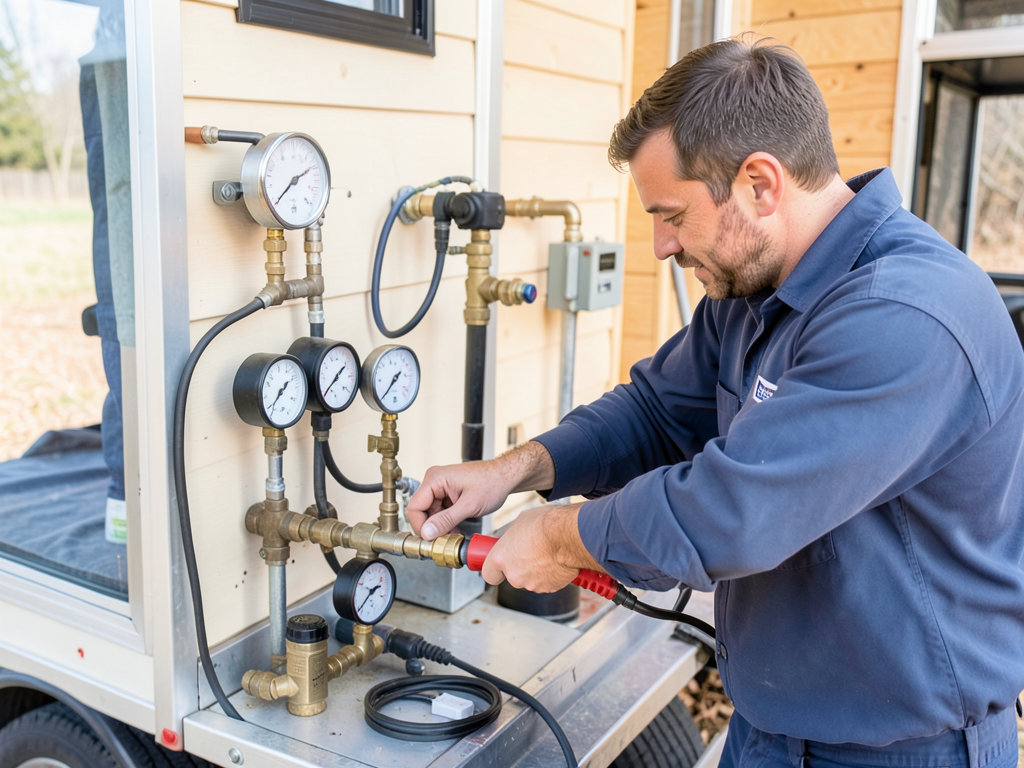
Oklahoma’s freeze-thaw cycles cause more plumbing failures than extreme cold. When daytime highs hit 50°F and nighttime lows drop to 20°F, water trapped in exterior lines expands and cracks pipes. Heat tape with a built-in thermostat prevents this by activating at 40°F. For THOWs, insulating undercarriage plumbing with R-13 fiberglass batts and sealing gaps with spray foam stops wind-driven freezing.. Read more about Important Plumbing Considerations for Your New Pool House in Gaillardia.
Foundation builds benefit from deeper burying of supply lines (24 inches minimum in exposed areas) and insulated access boxes over shutoff valves. Exterior hose bibs should have freeze-proof sillcocks with a 12-inch stem. In both cases, draining low points before extended absences prevents ice damage.
Permitting and Inspection Process in Oklahoma City
Oklahoma City requires a plumbing permit for any new installation or alteration. For ADUs, submit plans showing fixture locations, pipe sizing, and backflow prevention. The city’s Development Services Department reviews for code compliance, then schedules inspections: rough-in (before walls close), top-out (after fixtures installed but before final cover), and final (after pressure testing).. Read more about Planning the Plumbing for a New Backyard ADU or Guest Cottage in Midtown.
THOWs hooking to city utilities need a temporary connection permit. Inspectors verify hose connections, backflow devices, and proper support for supply lines. Off-grid builds require septic permits from ODEQ before installation. Skipping permits risks fines and forced removal of non-compliant work.
Common Mistakes and How to Avoid Them
Undersized water supply lines cause pressure drops. A 1/2-inch line to multiple fixtures cannot maintain flow; use 3/4-inch mains with 1/2-inch branches. Improper slope in drains leads to gurgling and slow drainage; maintain 1/4 inch per foot minimum. Skipping cleanouts makes future snaking impossible; install at every change of direction over 90 degrees.
Using rigid copper in THOWs invites cracks from vibration; PEX-A handles movement better. Forgetting to pressure-test new lines before covering results in hidden leaks; test at 1.5x working pressure for 15 minutes. Ignoring Oklahoma’s frost depth causes frozen pipes; always bury below 18 inches or use heat tape.
Cost Factors and Budgeting for Tiny House Plumbing
Plumbing costs vary by system type. Foundation ADUs typically cost $3,000-$5,000 for materials and labor, including permit fees. THOWs range from $1,500-$3,000 for flexible PEX and RV fixtures. Off-grid septic adds $3,000-$6,000. Tankless water heaters cost $500-$1,200 plus installation.
Factors affecting price include distance to sewer connection (longer runs mean more trenching), choice of materials (copper costs 30% more than PEX), and local labor rates. DIY saves labor but risks code violations; professional installation ensures compliance and warranty coverage.
Maintenance Tips for Long-Term Reliability
Annual checks prevent failures. Inspect heat tape before winter for breaks or exposed wiring. Test water pressure (ideal 40-60 psi) and adjust regulator if needed. Flush water heater annually to remove sediment. Check for leaks at joints and under sinks with a moisture meter.
For THOWs, inspect flexible hoses for cracks before each move. Tighten hose clamps on gray water connections. In foundation builds, clear main line cleanouts every two years to prevent root intrusion. These steps extend system life and avoid emergency repairs. Industrial Pipe Repair.
Frequently Asked Questions
Can I use a composting toilet to avoid sewer hookup in Oklahoma City?
Yes, if your tiny house is classified as a THOW or if local zoning allows it for ADUs. You must still provide a gray water system for sinks and showers, and the composting unit must meet NSF/ANSI Standard 41 for residential use.
What type of pipe is best for a mobile tiny house?
PEX-A tubing offers the best combination of freeze resistance, flexibility, and ease of installation for THOWs. It expands slightly if water freezes, reducing burst risk, and handles vibration from travel better than copper.
How deep should water lines be buried in Oklahoma?
Oklahoma City code requires a minimum of 18 inches below grade for exterior supply lines. In areas with severe frost, 24 inches provides extra protection. Always call OKIE 811 before digging to locate existing utilities.
Do I need a permit for plumbing in a tiny house on wheels?
Yes, if you plan to connect to city water or sewer. Oklahoma City requires a temporary connection permit for THOWs. Off-grid builds without utility hookups may not need a city permit but must follow ODEQ septic rules if applicable.
How do I prevent pipes from freezing in a tiny house during Oklahoma winters?
Combine heat tape on exposed lines, insulated skirting for THOWs, and thermostat-controlled space heaters in undercarriage areas. For foundation builds, bury lines below 18 inches and use insulated access boxes over shutoff valves.. Read more about Space Saving Wall Mounted Toilets for Your Small Plaza District Bathroom Renovation.
What is the cost difference between PEX and copper piping?
PEX costs about $0.50-$0.70 per foot versus $2.00-$3.00 per foot for copper. PEX also installs faster due to flexibility, reducing labor costs. However, copper may be required in some commercial or high-end residential applications.
Can I install the plumbing myself or do I need a licensed plumber?
DIY is allowed for homeowners in Oklahoma, but all work must pass inspection. For code compliance, warranty protection, and insurance purposes, hiring a licensed plumber familiar with tiny house systems is strongly recommended. Need a Plumber Right Now in Edmond? We Handle Burst Pipes and Clogs Fast.
How long does it take to get a plumbing permit in Oklahoma City?
Simple residential permits often process in 1-3 business days. Complex plans or those with unusual features may take a week. Expedited service is available for an additional fee.
What happens if my plumbing fails inspection?
The inspector provides a written list of deficiencies. You must correct the issues and request a re-inspection. Multiple failed inspections can result in permit expiration and additional fees.
Where can I find Oklahoma City’s specific plumbing code requirements?
Title 29 of the Oklahoma City Municipal Code covers plumbing. The Development Services Department at 420 W Main St provides code books and guidance. Online access is available through the city’s eCode360 portal.
Ready to Build Your Tiny House Plumbing System?
Call (405) 507-3533 today to schedule your inspection. Our licensed plumbers understand Oklahoma City codes, tiny house challenges, and freeze protection strategies that keep your system reliable year-round. Don’t risk code violations or winter failures—get it right the first time with Atlas Plumbing.. Read more about Choosing the Right Garbage Disposal Horsepower for Your Busy Edmond Kitchen.
Pick up the phone and call (405) 507-3533 before the next freeze hits. Whether you’re building an ADU in the Plaza District or a THOW ready for the road, we’ll ensure your plumbing meets Oklahoma County standards and your family’s needs.
You may also find this helpful. Running a Natural Gas Line for Your New Patio Grill in Moore.
{
“@context”: “https://schema.org”,
“@type”: “BlogPosting”,
“headline”: “Plumbing Challenges and Codes for Building a Tiny House in Oklahoma County”,
“description”: “Learn Oklahoma City plumbing codes, tiny house hookup requirements, and space-saving solutions for THOWs vs foundation builds in 2026.”,
“wordCount”: 1877,
“datePublished”: “2026-05-11T13:39:00.000Z”,
“dateModified”: “2026-05-11T13:39:00.000Z”,
“inLanguage”: “en-US”,
“mainEntityOfPage”: {
“@type”: “WebPage”,
“@id”: “https://atlasplumbingoklahomacity.com”
},
“publisher”: {
“@type”: “LocalBusiness”,
“name”: “Atlas Plumbing Oklahoma City”,
“url”: “https://atlasplumbingoklahomacity.com”
},
“author”: {
“@type”: “Organization”,
“name”: “Atlas Plumbing Oklahoma City”,
“url”: “https://atlasplumbingoklahomacity.com”
},
“image”: {
“@type”: “ImageObject”,
“url”: “https://atlasplumbingoklahomacity.com/wp-content/uploads/2026/03/plumbing-challenges-and-codes-for-building-a-tiny-1.png”
}
}
{
“@context”: “https://schema.org”,
“@type”: “Plumber”,
“name”: “Atlas Plumbing Oklahoma City”,
“url”: “https://atlasplumbingoklahomacity.com”,
“address”: {
“@type”: “PostalAddress”,
“addressLocality”: “Oklahoma City”
},
“areaServed”: {
“@type”: “City”,
“name”: “Oklahoma City”
}
}
{
“@context”: “https://schema.org”,
“@type”: “FAQPage”,
“mainEntity”: [
{
“@type”: “Question”,
“name”: “Can I use a composting toilet to avoid sewer hookup in Oklahoma City?”,
“acceptedAnswer”: {
“@type”: “Answer”,
“text”: “Yes, if your tiny house is classified as a THOW or if local zoning allows it for ADUs. You must still provide a gray water system for sinks and showers, and the composting unit must meet NSF/ANSI Standard 41 for residential use.”
}
},
{
“@type”: “Question”,
“name”: “What type of pipe is best for a mobile tiny house?”,
“acceptedAnswer”: {
“@type”: “Answer”,
“text”: “PEX-A tubing offers the best combination of freeze resistance, flexibility, and ease of installation for THOWs. It expands slightly if water freezes, reducing burst risk, and handles vibration from travel better than copper.”
}
},
{
“@type”: “Question”,
“name”: “How deep should water lines be buried in Oklahoma?”,
“acceptedAnswer”: {
“@type”: “Answer”,
“text”: “Oklahoma City code requires a minimum of 18 inches below grade for exterior supply lines. In areas with severe frost, 24 inches provides extra protection. Always call OKIE 811 before digging to locate existing utilities.”
}
},
{
“@type”: “Question”,
“name”: “Do I need a permit for plumbing in a tiny house on wheels?”,
“acceptedAnswer”: {
“@type”: “Answer”,
“text”: “Yes, if you plan to connect to city water or sewer. Oklahoma City requires a temporary connection permit for THOWs. Off-grid builds without utility hookups may not need a city permit but must follow ODEQ septic rules if applicable.”
}
},
{
“@type”: “Question”,
“name”: “How do I prevent pipes from freezing in a tiny house during Oklahoma winters?”,
“acceptedAnswer”: {
“@type”: “Answer”,
“text”: “Combine heat tape on exposed lines, insulated skirting for THOWs, and thermostat-controlled space heaters in undercarriage areas. For foundation builds, bury lines below 18 inches and use insulated access boxes over shutoff valves.”
}
},
{
“@type”: “Question”,
“name”: “What is the cost difference between PEX and copper piping?”,
“acceptedAnswer”: {
“@type”: “Answer”,
“text”: “PEX costs about $0.50-$0.70 per foot versus $2.00-$3.00 per foot for copper. PEX also installs faster due to flexibility, reducing labor costs. However, copper may be required in some commercial or high-end residential applications.”
}
},
{
“@type”: “Question”,
“name”: “Can I install the plumbing myself or do I need a licensed plumber?”,
“acceptedAnswer”: {
“@type”: “Answer”,
“text”: “DIY is allowed for homeowners in Oklahoma, but all work must pass inspection. For code compliance, warranty protection, and insurance purposes, hiring a licensed plumber familiar with tiny house systems is strongly recommended. Need a Plumber Right Now in Edmond? We Handle Burst Pipes and Clogs Fast.”
}
},
{
“@type”: “Question”,
“name”: “How long does it take to get a plumbing permit in Oklahoma City?”,
“acceptedAnswer”: {
“@type”: “Answer”,
“text”: “Simple residential permits often process in 1-3 business days. Complex plans or those with unusual features may take a week. Expedited service is available for an additional fee.”
}
},
{
“@type”: “Question”,
“name”: “What happens if my plumbing fails inspection?”,
“acceptedAnswer”: {
“@type”: “Answer”,
“text”: “The inspector provides a written list of deficiencies. You must correct the issues and request a re-inspection. Multiple failed inspections can result in permit expiration and additional fees.”
}
},
{
“@type”: “Question”,
“name”: “Where can I find Oklahoma City’s specific plumbing code requirements?”,
“acceptedAnswer”: {
“@type”: “Answer”,
“text”: “Title 29 of the Oklahoma City Municipal Code covers plumbing. The Development Services Department at 420 W Main St provides code books and guidance. Online access is available through the city’s eCode360 portal.”
}
},
{
“@type”: “Question”,
“name”: “Ready to Build Your Tiny House Plumbing System?”,
“acceptedAnswer”: {
“@type”: “Answer”,
“text”: “Call (405) 507-3533 today to schedule your inspection. Our licensed plumbers understand Oklahoma City codes, tiny house challenges, and freeze protection strategies that keep your system reliable year-round. Don’t risk code violations or winter failures—get it right the first time with Atlas Plumbing.”
}
}
]
}
{
“@context”: “https://schema.org”,
“@type”: “BreadcrumbList”,
“itemListElement”: [
{
“@type”: “ListItem”,
“position”: 1,
“name”: “Home”,
“item”: “https://atlasplumbingoklahomacity.com”
},
{
“@type”: “ListItem”,
“position”: 2,
“name”: “Blog”,
“item”: “https://atlasplumbingoklahomacity.com/blog”
},
{
“@type”: “ListItem”,
“position”: 3,
“name”: “Plumbing Challenges and Codes for Building a Tiny House in Oklahoma County”
}
]
}
{
“@context”: “https://schema.org”,
“@type”: “Service”,
“serviceType”: “Plumbing”,
“provider”: {
“@type”: “LocalBusiness”,
“name”: “Atlas Plumbing Oklahoma City”,
“url”: “https://atlasplumbingoklahomacity.com”
},
“areaServed”: {
“@type”: “City”,
“name”: “Oklahoma City”
},
“description”: “Learn Oklahoma City plumbing codes, tiny house hookup requirements, and space-saving solutions for THOWs vs foundation builds in 2026.”
}