How to Tell if Your Oklahoma City Home Has a Slab Leak Under the Foundation
Water pooling under your home’s foundation can cause thousands of dollars in damage before you even notice a problem. Oklahoma City’s expansive clay soil makes slab leaks particularly common and dangerous. This guide will help you identify the warning signs of a slab leak so you can act quickly before serious foundation damage occurs. Oklahoma State University Extension Service.
A slab leak happens when water pipes running beneath your concrete foundation develop cracks or breaks. In Oklahoma City’s shifting clay soil, these leaks can cause foundation heaving, mold growth, and skyrocketing water bills. The sooner you detect and repair a slab leak, the less damage your home will sustain.. Read more about Fixing Low Water Pressure in Your Bethany Shower or Bath.
Common Signs of a Slab Leak in Oklahoma City Homes
Oklahoma City’s unique soil conditions create specific warning signs that differ from other regions. Here’s what to watch for in your home.
Unexpected Water Bill Spikes
If your water usage hasn’t changed but your bill jumps significantly, you might have a hidden leak. Oklahoma City water utilities report that a single slab leak can waste 10,000 gallons of water per month before homeowners notice. Check your water meter when all fixtures are off – if it’s still moving, you have a leak somewhere in your system.
Hot Spots on Your Floor
Hot water line leaks create warm areas on your concrete floor. Walk barefoot through your home and feel for temperature changes. In Oklahoma’s climate, these hot spots are especially noticeable during winter months when you’re expecting cold floors. The affected area might feel like a heating pad under your feet.
Foundation Cracks and Shifts
Oklahoma’s expansive red clay soil expands when wet and contracts when dry. A slab leak adds constant moisture to this cycle, causing your foundation to heave and shift. Look for new cracks in your walls, especially near door frames and windows. Diagonal cracks wider than 1/8 inch often indicate foundation movement from a slab leak.
Musty Odors and Mold Growth
Constant moisture from a slab leak creates perfect conditions for mold and mildew. You might notice a musty smell coming from your floors or walls, especially in areas with poor ventilation. Oklahoma’s humid climate makes mold growth even more likely once moisture gets trapped under your foundation.
Low Water Pressure
A leak under your slab reduces water pressure throughout your home. If you notice weak flow from multiple fixtures, especially if it’s sudden rather than gradual, you could have a leak in your main water line beneath the foundation.
Sounds of Running Water
Listen carefully when your home is quiet. You might hear the sound of running water even when all fixtures are turned off. This could be water escaping from a broken pipe under your slab. In Oklahoma City’s older neighborhoods, cast iron pipes are especially prone to developing these hidden leaks.
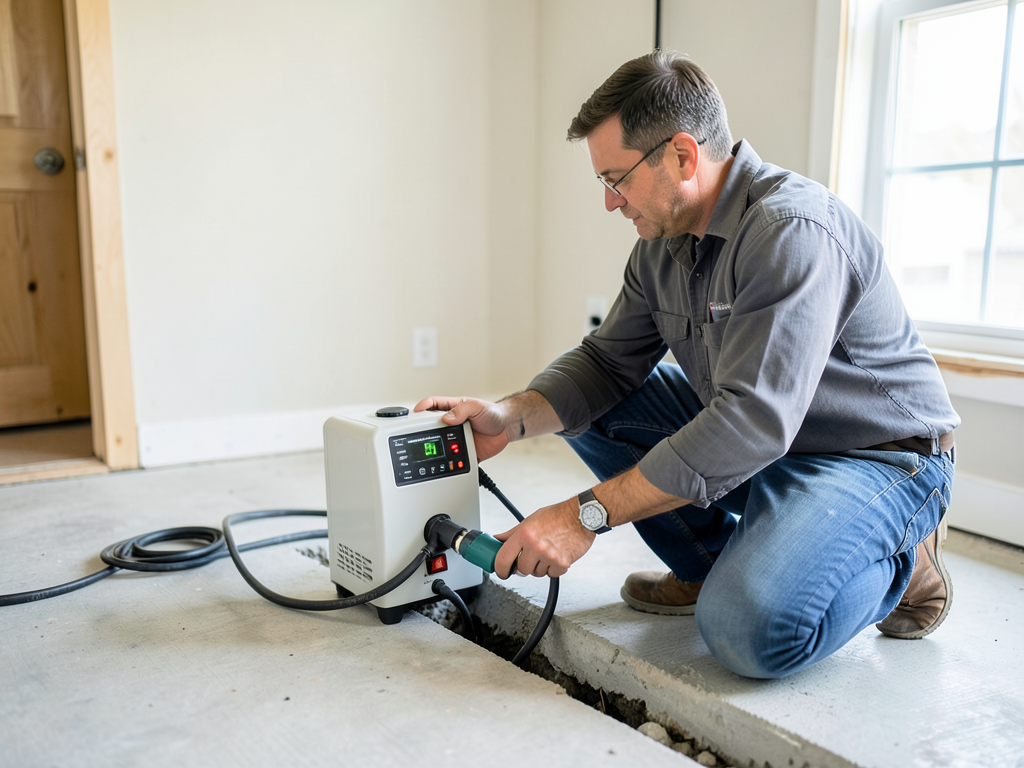
Diagram showing common locations for slab leaks in Oklahoma City homes, including areas near tree roots and expansion joints in the foundation.
Our Non-Invasive Leak Detection Technology
Finding a slab leak requires specialized equipment and expertise. We use advanced technology to locate leaks without damaging your home.. Read more about The Ultimate Guide to Finding and Fixing Slab Leaks in Moore.
Electronic Leak Detection
We use sensitive electronic equipment that can detect the sound of water escaping from pipes. This technology can pinpoint leaks through concrete, tile, and wood flooring. Our technicians use headphones and digital displays to listen for the specific frequencies created by water escaping under pressure.
Infrared Thermal Imaging
Thermal cameras detect temperature differences in your floors and walls. A hot water leak shows up as a warm area on the thermal image, while cold water leaks create cool spots. This technology is especially effective in Oklahoma’s climate where temperature differences are more pronounced.
Pressure Testing
We isolate sections of your plumbing system and pressurize them with air or nitrogen. Pressure drops indicate leaks. This test follows guidelines from the International Association of Plumbing and Mechanical Officials (IAPMO) and helps us confirm leak locations before any repair work begins. International Association of Plumbing and Mechanical Officials.
Moisture Meter Scanning
Moisture meters measure the water content in your concrete and wood structures. We scan your floors at multiple depths to find areas with elevated moisture levels. This helps us map the extent of water damage and determine the best repair approach.

Technician using infrared camera to scan a living room floor for temperature variations indicating a hot water slab leak.
Slab Leak Repair Solutions for Oklahoma City Homes
Once we locate your slab leak, we’ll recommend the best repair method for your specific situation.
Pipe Rerouting
For older homes with multiple leaks or severely corroded pipes, rerouting often makes more sense than repairing the existing system. We install new PEX or copper pipes through your walls and attic, completely bypassing the damaged under-slab plumbing. This method is especially common in Oklahoma City’s mid-century neighborhoods where galvanized pipes have reached the end of their lifespan.. Read more about Complete Home Repiping Services for Older Houses in Oklahoma City.
Direct Access Repair
When the leak is isolated and your pipes are generally in good condition, we can access the damaged section directly. We carefully cut through the concrete slab, repair the pipe, and restore the floor. This method works well for newer homes with PEX piping systems common in Edmond and other developing suburbs.
Trenchless Pipe Repair
For some situations, we can use trenchless technology to repair pipes without breaking through your slab. This method involves inserting a new liner into the existing pipe, creating a new pipe within the old one. It’s less invasive but not suitable for all types of damage.
Full Repiping
If your home has extensive corrosion or multiple leaks, we might recommend replacing all the under-slab plumbing. This is common in Oklahoma City’s historic districts where original plumbing from the 1950s and 1960s is still in use.
Why Oklahoma City Homes Are Prone to Slab Leaks
Oklahoma City’s unique geological and climate conditions create perfect conditions for slab leaks to develop.
Expansive Clay Soil
Oklahoma’s famous red clay soil expands dramatically when wet and contracts when dry. This constant movement puts stress on water pipes running through your foundation. The Oklahoma State University Extension Service reports that this soil can expand up to 30% when saturated, creating tremendous pressure on buried pipes.
Freeze-Thaw Cycles
Oklahoma City experiences frequent freeze-thaw cycles during winter. Water in pipes can freeze and expand, creating pressure that leads to cracks. Even if the pipes don’t freeze completely, the temperature fluctuations cause metal pipes to expand and contract repeatedly, weakening joints and connections over time.
High Iron Content in Water
Oklahoma’s water supply contains high levels of iron and other minerals. These minerals can accelerate corrosion in metal pipes, especially older galvanized steel pipes common in homes built before 1980. The Oklahoma Water Resources Board reports that iron levels in some areas exceed 1 mg/L, which is enough to cause significant pipe degradation over decades.
Tree Root Intrusion
Oklahoma’s mature trees send roots searching for water, and your plumbing pipes provide an attractive target. Roots can penetrate small cracks in pipes, then expand and cause major breaks. This is especially common in older Oklahoma City neighborhoods with large shade trees.
Construction Quality Variations
Oklahoma City experienced rapid growth in the 1970s and 1980s, leading to variations in construction quality. Some homes have pipes installed with insufficient support or protection, making them more vulnerable to developing leaks over time.. Read more about Keep Your OKC Basement Dry With a High Quality Sump Pump Installation.
Technician examining a section of corroded galvanized pipe removed from a 1970s Oklahoma City home, showing mineral buildup and rust damage.
What to Expect During the Repair Process
Understanding the repair process can help you prepare for what’s ahead.
Initial Assessment
We start with a thorough inspection using our diagnostic equipment. This typically takes 1-2 hours and gives us a clear picture of your leak’s location and severity. We’ll explain our findings and recommend repair options based on your specific situation.
Repair Planning
Once we identify the best repair method, we’ll provide a detailed plan including timeline, materials needed, and what to expect during the work. For homes in Oklahoma City’s historic districts, we coordinate with local building authorities to ensure all repairs meet current code requirements.
Execution
Most slab leak repairs take 1-3 days depending on the method chosen. We work efficiently to minimize disruption to your home while ensuring quality repairs that will last. Our technicians are trained in the latest techniques for working with Oklahoma’s specific soil and climate conditions.
Restoration
After repairs are complete, we restore your home to its original condition. This includes patching concrete, matching floor finishes, and cleaning up thoroughly. We stand behind our work with warranties on both materials and labor.
Preventing Future Slab Leaks
While you can’t eliminate all risk, you can take steps to reduce your chances of developing another slab leak.
Regular Plumbing Inspections
Annual plumbing inspections can catch small problems before they become major leaks. We recommend this especially for homes over 20 years old or those with known plumbing issues.
Water Pressure Management
High water pressure stresses your pipes. Oklahoma City’s municipal water system sometimes runs at pressures above 80 psi, which exceeds recommended levels. We can install pressure regulators to protect your plumbing system.
Water Quality Treatment
If your water has high mineral content, water softeners or filtration systems can reduce corrosion in your pipes. This is particularly important in areas of Oklahoma City with hard water problems.
Foundation Maintenance
Proper drainage around your home prevents excessive moisture buildup that can affect your foundation. Make sure gutters and downspouts direct water away from your home’s foundation.
Insurance Considerations for Slab Leaks
Understanding your insurance coverage can help you make informed decisions about repairs.
Most homeowners insurance policies in Oklahoma cover sudden, accidental water damage but not gradual leaks that develop over time. If your slab leak has caused visible damage to your home’s structure or personal property, your insurance might help with repair costs. However, the actual pipe repair is often considered a maintenance issue not covered by insurance.
We can help you document damage and communicate with your insurance company if you choose to file a claim. Many Oklahoma City homeowners find that early detection and repair actually saves money compared to waiting for a major failure.
Frequently Asked Questions
How long can I wait to fix a slab leak?
You shouldn’t wait at all. A slab leak will only get worse over time, causing more damage and higher repair costs. In Oklahoma’s climate, the combination of moisture and temperature changes accelerates damage to your foundation and home structure.
Can I fix a slab leak myself?
Slab leak repair requires specialized equipment and expertise. DIY attempts often miss the actual leak location or cause additional damage. Professional leak detection technology is necessary to accurately locate leaks under concrete slabs.
How much does slab leak repair cost?
Costs vary based on leak location, repair method, and your home’s specific conditions. Simple repairs might cost a few hundred dollars while complete repiping could cost several thousand. We provide detailed estimates after our initial assessment.
Will a slab leak cause my foundation to fail?
Left untreated, a slab leak can definitely cause foundation problems. The constant moisture weakens concrete and causes soil expansion that can lead to foundation heaving or settling. Early detection and repair prevent these serious structural issues.
How do I know if I have multiple slab leaks?
Multiple symptoms occurring simultaneously often indicate multiple leaks. If you notice several warning signs or if leaks keep recurring after repair, you might have a systemic plumbing problem requiring more comprehensive solutions.
Call (405) 507-3533 Today for Expert Slab Leak Detection and Repair
Don’t let a hidden slab leak destroy your Oklahoma City home’s foundation. Our experienced technicians use advanced technology to locate and repair leaks quickly and efficiently. We understand Oklahoma’s unique soil conditions and building challenges, and we stand behind our work with comprehensive warranties.
Call (405) 507-3533 now to schedule your slab leak inspection. We offer 24/7 emergency service throughout Oklahoma City, Edmond, and surrounding communities. Early detection can save you thousands in foundation repairs and prevent the stress of major home damage.
Pick up the phone and call (405) 507-3533 before that small leak becomes a foundation disaster. Our team is ready to protect your home with professional slab leak detection and repair services you can trust.
You may also find this helpful. Clearing Stubborn Clogs With Professional Drain Cleaning in Nichols Hills.
{
“@context”: “https://schema.org”,
“@type”: “BlogPosting”,
“headline”: “How to Tell if Your Oklahoma City Home Has a Slab Leak Under the Foundation”,
“description”: “Learn the warning signs of slab leaks in Oklahoma City homes. Discover how our non-invasive leak detection technology can save your foundation from costly damage.”,
“wordCount”: 2057,
“datePublished”: “2026-02-12T10:34:00.000Z”,
“dateModified”: “2026-02-12T10:34:00.000Z”,
“inLanguage”: “en-US”,
“mainEntityOfPage”: {
“@type”: “WebPage”,
“@id”: “https://atlasplumbingoklahomacity.com”
},
“publisher”: {
“@type”: “LocalBusiness”,
“name”: “Atlas Plumbing Oklahoma City”,
“url”: “https://atlasplumbingoklahomacity.com”
},
“author”: {
“@type”: “Organization”,
“name”: “Atlas Plumbing Oklahoma City”,
“url”: “https://atlasplumbingoklahomacity.com”
},
“image”: {
“@type”: “ImageObject”,
“url”: “https://atlasplumbingoklahomacity.com/wp-content/uploads/2026/03/how-to-tell-if-your-oklahoma-city-home-has-a-slab-1.png”
}
}
{
“@context”: “https://schema.org”,
“@type”: “Plumber”,
“name”: “Atlas Plumbing Oklahoma City”,
“url”: “https://atlasplumbingoklahomacity.com”,
“address”: {
“@type”: “PostalAddress”,
“addressLocality”: “Oklahoma City”
},
“areaServed”: {
“@type”: “City”,
“name”: “Oklahoma City”
}
}
{
“@context”: “https://schema.org”,
“@type”: “FAQPage”,
“mainEntity”: [
{
“@type”: “Question”,
“name”: “How long can I wait to fix a slab leak?”,
“acceptedAnswer”: {
“@type”: “Answer”,
“text”: “You shouldn’t wait at all. A slab leak will only get worse over time, causing more damage and higher repair costs. In Oklahoma’s climate, the combination of moisture and temperature changes accelerates damage to your foundation and home structure.”
}
},
{
“@type”: “Question”,
“name”: “Can I fix a slab leak myself?”,
“acceptedAnswer”: {
“@type”: “Answer”,
“text”: “Slab leak repair requires specialized equipment and expertise. DIY attempts often miss the actual leak location or cause additional damage. Professional leak detection technology is necessary to accurately locate leaks under concrete slabs.”
}
},
{
“@type”: “Question”,
“name”: “How much does slab leak repair cost?”,
“acceptedAnswer”: {
“@type”: “Answer”,
“text”: “Costs vary based on leak location, repair method, and your home’s specific conditions. Simple repairs might cost a few hundred dollars while complete repiping could cost several thousand. We provide detailed estimates after our initial assessment.”
}
},
{
“@type”: “Question”,
“name”: “Will a slab leak cause my foundation to fail?”,
“acceptedAnswer”: {
“@type”: “Answer”,
“text”: “Left untreated, a slab leak can definitely cause foundation problems. The constant moisture weakens concrete and causes soil expansion that can lead to foundation heaving or settling. Early detection and repair prevent these serious structural issues.”
}
},
{
“@type”: “Question”,
“name”: “How do I know if I have multiple slab leaks?”,
“acceptedAnswer”: {
“@type”: “Answer”,
“text”: “Multiple symptoms occurring simultaneously often indicate multiple leaks. If you notice several warning signs or if leaks keep recurring after repair, you might have a systemic plumbing problem requiring more comprehensive solutions.”
}
}
]
}
{
“@context”: “https://schema.org”,
“@type”: “BreadcrumbList”,
“itemListElement”: [
{
“@type”: “ListItem”,
“position”: 1,
“name”: “Home”,
“item”: “https://atlasplumbingoklahomacity.com”
},
{
“@type”: “ListItem”,
“position”: 2,
“name”: “Blog”,
“item”: “https://atlasplumbingoklahomacity.com/blog”
},
{
“@type”: “ListItem”,
“position”: 3,
“name”: “How to Tell if Your Oklahoma City Home Has a Slab Leak Under the Foundation”
}
]
}
{
“@context”: “https://schema.org”,
“@type”: “Service”,
“serviceType”: “Plumbing”,
“provider”: {
“@type”: “LocalBusiness”,
“name”: “Atlas Plumbing Oklahoma City”,
“url”: “https://atlasplumbingoklahomacity.com”
},
“areaServed”: {
“@type”: “City”,
“name”: “Oklahoma City”
},
“description”: “Learn the warning signs of slab leaks in Oklahoma City homes. Discover how our non-invasive leak detection technology can save your foundation from costly damage.”
}