How to Add a Bathroom to Your Basement Without Breaking Into the Concrete Floor
Adding a bathroom to your Oklahoma City basement doesn’t require jackhammering through concrete slabs anymore. Upflush toilet systems use powerful macerating pumps to move waste upward through small-diameter pipes, making basement bathroom additions fast, affordable, and code-compliant for homeowners in neighborhoods from Nichols Hills to Choctaw. How to Tell if Your Oklahoma City Home Has a Slab Leak Under the Foundation.
These systems work by grinding waste into fine slurry and pumping it through 3/4-inch discharge pipes to your main sewer line. You avoid the $5,000-15,000 demolition costs and waterproofing nightmares that come with traditional basement plumbing. For Oklahoma City homes built on expansive red clay soil, this means no risk of creating new foundation cracks or drainage issues during installation.. Read more about Ways to Keep Your Oklahoma City Slab From Shifting and Breaking Your Pipes.
The technology has matured significantly since its introduction. Modern units operate at 45-55 decibels – quieter than a normal conversation – and include features like automatic descaling cycles to handle our mineral-heavy local water. Most installations take just one day, with the entire system ready for use within 24 hours of completion.
How Macerating Toilet Systems Actually Work
Traditional toilets rely on gravity to move waste downward through large pipes. Upflush systems flip this concept by using a macerator pump that sits behind or below the toilet bowl. When flushed, the system activates a powerful 600-watt motor that spins stainless steel blades at 3,600 RPM, reducing waste to a fine slurry. Powerful Hydro Jetting to Blast Through Main Line Roots in Quail Springs.
The macerator then pumps this slurry upward through 3/4-inch PVC discharge pipes. These small pipes can run horizontally up to 150 feet or vertically up to 15 feet, giving you flexibility in routing. The system also includes a built-in check valve to prevent backflow and an air admittance valve for proper venting without roof penetrations.
Water supply connections work just like standard toilets – you’ll need a 1/2-inch supply line with a shutoff valve. The key difference is the discharge side, where the macerator pump replaces the need for a traditional 3-4 inch waste pipe running to your main sewer line.. Read more about How to Choose a High Efficiency Toilet That Actually Flushes Everything the First Time.
Benefits for Oklahoma City Homeowners
Oklahoma City’s unique climate and building conditions make upflush systems particularly valuable. Our region experiences extreme temperature swings – from 100+ degree summers to sub-freezing winters – which can cause traditional plumbing to expand and contract, leading to leaks. Upflush systems with their flexible discharge pipes handle these temperature changes better than rigid cast iron.. Read more about Plumbing Basics for Adding a Mudroom Dog Wash in Your Deer Creek Home.
Many OKC homes, especially those built before 1980 in areas like Mesta Park and Crown Heights, lack basement rough-ins. These older homes often have slab foundations poured directly on grade, making traditional bathroom additions cost-prohibitive. Upflush systems eliminate this barrier, allowing homeowners to add functional bathrooms without structural modifications. Why Edmond Homeowners Should Invest in a Whole House Water Softener.
Water quality is another local factor. Oklahoma City’s water from Lake Hefner and other sources contains high mineral content that can clog traditional plumbing over time. Modern upflush systems include descaling features and self-cleaning cycles that prevent mineral buildup in the macerator pump, extending system life to 15-20 years with proper maintenance.. Read more about Plumbing Challenges and Codes for Building a Tiny House in Oklahoma County.
Installation Process and Oklahoma Plumbing Codes
Installing an upflush system in Oklahoma City requires following the Oklahoma Uniform Building Code Commission (OUBCC) standards. The system must be installed by a licensed plumber and include proper venting, backflow prevention, and connection to your home’s main sewer line or septic system. Most installations require a permit from the City of Oklahoma City Development Services Department. EPA WaterSense program.
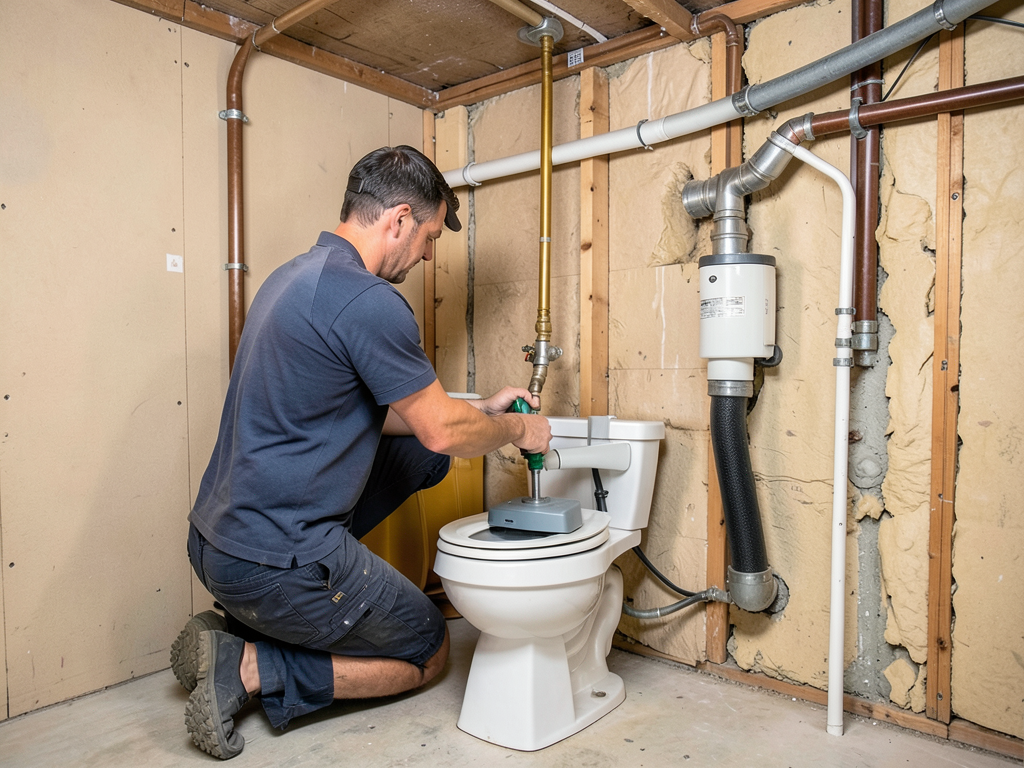
The installation process typically follows these steps: First, the plumber assesses your basement layout and determines the optimal location for the macerator unit. Next, they install the toilet and connect the water supply. Then they run the discharge pipe through walls or ceilings to reach the main sewer line. Finally, they test the system and ensure all connections meet local code requirements. Need a Plumber Right Now in Edmond? We Handle Burst Pipes and Clogs Fast.
Key code considerations include: discharge pipes must have a minimum 1/4 inch per foot slope when running horizontally, the system must include proper venting to prevent sewer gas buildup, and all electrical connections must be GFCI-protected. The Oklahoma Plumbing Commission requires that upflush systems be installed with accessible shutoff valves for maintenance.. Read more about Planning the Plumbing for a New Backyard ADU or Guest Cottage in Midtown.
Saniflo vs. Liberty Pumps vs. Zoeller: Which Brand Works Best?
Saniflo dominates the residential upflush market with over 50 years of experience. Their Saniplus model handles toilets, sinks, and showers with a 500-gallon per hour pumping capacity. Liberty Pumps offers the ASCENT II, which features a quieter motor and more compact design for tight spaces. Zoeller specializes in grinder pumps for heavy-duty applications.
For Oklahoma City homes, Saniflo often makes the most sense due to their extensive dealer network and local parts availability. Their systems handle our hard water better than some competitors, and they offer a 2-year warranty that can be extended to 4 years with professional installation.
Liberty Pumps’ ASCENT II excels in noise-sensitive applications, operating at just 37 decibels – about the volume of a quiet library. This makes it ideal for basement bedrooms or home offices. Zoeller pumps are overkill for most residential applications but shine in situations requiring pumping against high head pressure or long horizontal runs.
Cost Breakdown for OKC Metro Area
The total cost for an upflush bathroom installation in Oklahoma City typically ranges from $3,500 to $7,500, depending on the complexity of your project. Here’s what drives those costs:
Unit Costs: Basic toilet-only systems start around $800-1,200. Complete bathroom packages with sink and shower capability range from $1,500-2,500. High-end units with advanced features can exceed $3,000.
Installation Labor: Professional installation in the OKC metro area runs $1,500-3,000. This includes plumbing connections, electrical work, and code compliance. Complex installations requiring extensive pipe routing or electrical upgrades can push costs higher.
Permits and Inspections: City of Oklahoma City permits typically cost $150-300. Additional inspections may be required, adding $100-200 to your total.
Additional Features: Adding a sink costs $200-400. Including a shower increases costs by $800-1,500. Luxury features like bidet functions or heated seats add $300-800.
Compared to traditional basement bathroom construction at $15,000-25,000, upflush systems offer significant savings while providing similar functionality and reliability.
Maintenance Requirements for Oklahoma’s Hard Water
Oklahoma City’s water hardness – typically 12-15 grains per gallon – creates specific maintenance needs for upflush systems. The calcium and magnesium in our water can build up on macerator blades and discharge pipes, reducing efficiency over time.
Regular maintenance includes monthly descaling using manufacturer-recommended solutions. This prevents mineral buildup that could cause the macerator to work harder, increasing energy consumption and wear. Most systems include an automatic descaling cycle that runs for 30 minutes when activated.
Annual professional maintenance should include checking the macerator blades for wear, inspecting electrical connections, and testing the backflow prevention system. The Oklahoma red clay soil can also affect drainage around your home’s foundation, so ensuring proper grading around discharge pipes prevents moisture issues.
Signs your system needs attention include longer flush cycles, unusual noises during operation, or visible leaks around connections. Addressing these issues early prevents costly repairs and extends your system’s lifespan beyond the typical 15-year mark. Industrial Pipe Repair.
Common Installation Mistakes to Avoid
DIY installations often fail due to improper venting. Without adequate air admittance, the system can create vacuum conditions that prevent proper waste removal. This leads to slow draining, gurgling sounds, and eventual pump failure.
Another frequent error is inadequate slope on discharge pipes. Even slight dips or sags can cause waste to accumulate, leading to clogs and odors. Oklahoma’s expansive clay soil can shift over time, so proper pipe support every 4-6 feet is essential.
Electrical mistakes pose serious risks. Upflush systems require GFCI protection and proper grounding. DIYers often overlook these requirements, creating shock hazards in wet environments. Professional installation ensures compliance with NEC Article 680 for electrical connections near plumbing fixtures.
Finally, ignoring local codes can result in failed inspections and costly rework. Oklahoma City requires permits for all plumbing modifications, and unpermitted work can affect home insurance claims if problems arise later.
Noise Levels and Aesthetic Considerations
Modern upflush systems operate at 45-55 decibels, comparable to a quiet conversation or background music. The macerator pump activates for 10-15 seconds during each flush, with noise levels decreasing significantly as the waste clears the discharge pipes.
For noise-sensitive applications, consider Liberty Pumps’ quieter models at 37 decibels or adding sound insulation around the macerator unit. Location matters too – placing the system against an interior wall rather than a shared wall with living spaces reduces perceived noise.
Aesthetically, upflush toilets look identical to standard models. The macerator unit typically installs behind the toilet in a small closet or utility area. Some homeowners integrate the system into built-in cabinetry or use decorative screens to conceal the mechanical components.
Finish options include standard white, biscuit, and modern black toilets. Wall-mounted models create a contemporary look while freeing up floor space. For historic homes in areas like Heritage Hills, manufacturers offer fixtures that complement period architecture while providing modern functionality.
Professional vs. DIY Installation: What’s the Real Difference?
Professional installation provides code compliance, warranty protection, and peace of mind. Licensed plumbers understand Oklahoma City’s specific requirements, including proper venting methods that work with our local building codes and soil conditions.
DIY installations void most manufacturer warranties and can create serious problems. Common DIY mistakes include improper pipe sizing, inadequate electrical connections, and incorrect venting that leads to sewer gas infiltration. These issues often surface months later, requiring expensive professional repairs.
Professional plumbers also provide valuable design input. They can recommend optimal locations based on your home’s plumbing layout, suggest features that enhance functionality, and identify potential problems before installation begins. This expertise prevents costly change orders during the project.. Read more about What Norman Seniors Need to Know Before Installing a Walk-In Safety Tub.
Cost differences are minimal when considering the risks. Professional installation adds $500-1,000 to your project but includes permits, inspections, and warranty coverage. DIY savings disappear quickly if problems arise, and many homeowners discover that DIY projects take three times longer than professional installations.
Grinder Pump vs. Macerator Pump: Which Do You Need?
Macerator pumps grind waste into fine slurry using rotating blades, making them ideal for residential applications. They handle typical household waste efficiently and operate at lower horsepower than grinder pumps.
Grinder pumps use a more aggressive cutting mechanism to process waste, making them better suited for situations with long horizontal runs, high head pressure, or commercial applications. They typically consume more electricity but can handle tougher waste materials.
For most Oklahoma City basement bathrooms, macerator pumps provide the best balance of performance, efficiency, and cost. They handle typical household waste without the higher energy consumption of grinder pumps. However, if your discharge line must run 100+ feet horizontally or pump waste 20+ feet vertically, a grinder pump might be necessary.
Consider your specific needs: macerators work excellently for standard bathroom fixtures, while grinder pumps excel when pumping over long distances or handling unusual waste materials. Your plumber can assess your situation and recommend the appropriate technology.
Frequently Asked Questions
How long do upflush toilet systems last?
With proper maintenance, quality upflush systems typically last 15-20 years. The macerator pump is usually the first component to wear out, but replacement parts are readily available. Regular descaling and annual professional maintenance can extend system life significantly.
Can I install a shower or sink with my upflush toilet?
Yes, most upflush systems support additional fixtures. Basic toilet-only units handle just the toilet, while complete bathroom packages can accommodate sinks, showers, and even washing machines. Check the system’s pumping capacity – typically 500-600 gallons per hour – to ensure it meets your needs.
Are upflush systems noisy?
Modern units operate at 45-55 decibels, similar to a quiet conversation. The macerator runs for 10-15 seconds during each flush. Quieter models are available at around 37 decibels for noise-sensitive applications.
Do upflush toilets meet building codes?
Yes, when properly installed by licensed professionals. Oklahoma City requires permits and inspections for all plumbing modifications. Upflush systems must meet OUBCC standards for venting, backflow prevention, and electrical safety.
How much does installation cost in Oklahoma City?
Total costs range from $3,500 to $7,500, including the unit, professional installation, permits, and any additional fixtures. This compares favorably to $15,000-25,000 for traditional basement bathroom construction.
Can I use an upflush system with a septic tank?
Yes, upflush systems work with both municipal sewer connections and septic tanks. The macerated waste is compatible with standard septic system treatment processes. However, if you have an older or undersized septic system, consult a professional before installation.
What maintenance do these systems require?
Monthly descaling prevents mineral buildup from Oklahoma’s hard water. Annual professional maintenance includes checking macerator blades, inspecting electrical connections, and testing backflow prevention. Most systems include automatic cleaning cycles that run when activated.
Will hard water damage the macerator pump?
Oklahoma City’s hard water can cause mineral buildup on macerator blades and discharge pipes. However, modern systems include descaling features and self-cleaning cycles that prevent significant damage. Using manufacturer-recommended descaling solutions monthly keeps your system operating efficiently.
How do I know if my basement is suitable for an upflush system?
Most basements can accommodate upflush systems. A professional assessment considers your existing plumbing layout, desired fixture locations, and local code requirements. The key factors are access to a main sewer line for discharge and adequate space for the macerator unit.
What happens if the power goes out?
Upflush systems require electricity to operate. During power outages, the toilet won’t flush until power is restored. Some homeowners install battery backup systems for critical applications, though this adds $300-500 to the project cost.
Ready to Add a Bathroom Without the Demolition Headache?
Adding a basement bathroom doesn’t have to mean weeks of construction noise, dust, and expense. Upflush toilet systems provide Oklahoma City homeowners with a fast, affordable alternative that works with our local conditions and meets all building codes.
Atlas Plumbing Oklahoma City has installed hundreds of these systems throughout the metro area, from new homes in Edmond to historic properties in Crown Heights. Our licensed plumbers understand the specific challenges of Oklahoma’s soil, water, and building codes, ensuring your installation is done right the first time.
Don’t let the fear of concrete demolition keep you from adding valuable bathroom space to your home. Call (405) 507-3533 today to schedule your free consultation. We’ll assess your basement, explain your options, and provide a detailed quote with no hidden costs. Your new bathroom could be ready in as little as one day.
Pick up the phone and call (405) 507-3533 before the next storm hits – because when Oklahoma weather forces everyone indoors, that extra bathroom space becomes priceless. For more information, visit International Code Council.
You may also find this helpful. Moving Your Laundry Room Upstairs Without Risking a Major Water Disaster.
{
“@context”: “https://schema.org”,
“@type”: “BlogPosting”,
“headline”: “How to Add a Bathroom to Your Basement Without Breaking Into the Concrete Floor”,
“description”: “Discover how upflush toilet systems let Oklahoma City homeowners add basement bathrooms without costly concrete demolition. Learn installation, costs, and local code compliance.”,
“wordCount”: 2474,
“datePublished”: “2026-05-01T13:47:00.000Z”,
“dateModified”: “2026-05-01T13:47:00.000Z”,
“inLanguage”: “en-US”,
“mainEntityOfPage”: {
“@type”: “WebPage”,
“@id”: “https://atlasplumbingoklahomacity.com”
},
“publisher”: {
“@type”: “LocalBusiness”,
“name”: “Atlas Plumbing Oklahoma City”,
“url”: “https://atlasplumbingoklahomacity.com”
},
“author”: {
“@type”: “Organization”,
“name”: “Atlas Plumbing Oklahoma City”,
“url”: “https://atlasplumbingoklahomacity.com”
},
“image”: {
“@type”: “ImageObject”,
“url”: “https://atlasplumbingoklahomacity.com/wp-content/uploads/2026/03/how-to-add-a-bathroom-to-your-basement-without-bre-1.png”
}
}
{
“@context”: “https://schema.org”,
“@type”: “Plumber”,
“name”: “Atlas Plumbing Oklahoma City”,
“url”: “https://atlasplumbingoklahomacity.com”,
“address”: {
“@type”: “PostalAddress”,
“addressLocality”: “Oklahoma City”
},
“areaServed”: {
“@type”: “City”,
“name”: “Oklahoma City”
}
}
{
“@context”: “https://schema.org”,
“@type”: “FAQPage”,
“mainEntity”: [
{
“@type”: “Question”,
“name”: “Saniflo vs. Liberty Pumps vs. Zoeller: Which Brand Works Best?”,
“acceptedAnswer”: {
“@type”: “Answer”,
“text”: “Saniflo dominates the residential upflush market with over 50 years of experience. Their Saniplus model handles toilets, sinks, and showers with a 500-gallon per hour pumping capacity. Liberty Pumps offers the ASCENT II, which features a quieter motor and more compact design for tight spaces. Zoeller specializes in grinder pumps for heavy-duty applications.”
}
},
{
“@type”: “Question”,
“name”: “Professional vs. DIY Installation: What’s the Real Difference?”,
“acceptedAnswer”: {
“@type”: “Answer”,
“text”: “Professional installation provides code compliance, warranty protection, and peace of mind. Licensed plumbers understand Oklahoma City’s specific requirements, including proper venting methods that work with our local building codes and soil conditions.”
}
},
{
“@type”: “Question”,
“name”: “Grinder Pump vs. Macerator Pump: Which Do You Need?”,
“acceptedAnswer”: {
“@type”: “Answer”,
“text”: “Macerator pumps grind waste into fine slurry using rotating blades, making them ideal for residential applications. They handle typical household waste efficiently and operate at lower horsepower than grinder pumps.”
}
},
{
“@type”: “Question”,
“name”: “How long do upflush toilet systems last?”,
“acceptedAnswer”: {
“@type”: “Answer”,
“text”: “With proper maintenance, quality upflush systems typically last 15-20 years. The macerator pump is usually the first component to wear out, but replacement parts are readily available. Regular descaling and annual professional maintenance can extend system life significantly.”
}
},
{
“@type”: “Question”,
“name”: “Can I install a shower or sink with my upflush toilet?”,
“acceptedAnswer”: {
“@type”: “Answer”,
“text”: “Yes, most upflush systems support additional fixtures. Basic toilet-only units handle just the toilet, while complete bathroom packages can accommodate sinks, showers, and even washing machines. Check the system’s pumping capacity – typically 500-600 gallons per hour – to ensure it meets your needs.”
}
},
{
“@type”: “Question”,
“name”: “Are upflush systems noisy?”,
“acceptedAnswer”: {
“@type”: “Answer”,
“text”: “Modern units operate at 45-55 decibels, similar to a quiet conversation. The macerator runs for 10-15 seconds during each flush. Quieter models are available at around 37 decibels for noise-sensitive applications.”
}
},
{
“@type”: “Question”,
“name”: “Do upflush toilets meet building codes?”,
“acceptedAnswer”: {
“@type”: “Answer”,
“text”: “Yes, when properly installed by licensed professionals. Oklahoma City requires permits and inspections for all plumbing modifications. Upflush systems must meet OUBCC standards for venting, backflow prevention, and electrical safety.”
}
},
{
“@type”: “Question”,
“name”: “How much does installation cost in Oklahoma City?”,
“acceptedAnswer”: {
“@type”: “Answer”,
“text”: “Total costs range from $3,500 to $7,500, including the unit, professional installation, permits, and any additional fixtures. This compares favorably to $15,000-25,000 for traditional basement bathroom construction.”
}
},
{
“@type”: “Question”,
“name”: “Can I use an upflush system with a septic tank?”,
“acceptedAnswer”: {
“@type”: “Answer”,
“text”: “Yes, upflush systems work with both municipal sewer connections and septic tanks. The macerated waste is compatible with standard septic system treatment processes. However, if you have an older or undersized septic system, consult a professional before installation.”
}
},
{
“@type”: “Question”,
“name”: “What maintenance do these systems require?”,
“acceptedAnswer”: {
“@type”: “Answer”,
“text”: “Monthly descaling prevents mineral buildup from Oklahoma’s hard water. Annual professional maintenance includes checking macerator blades, inspecting electrical connections, and testing backflow prevention. Most systems include automatic cleaning cycles that run when activated.”
}
},
{
“@type”: “Question”,
“name”: “Will hard water damage the macerator pump?”,
“acceptedAnswer”: {
“@type”: “Answer”,
“text”: “Oklahoma City’s hard water can cause mineral buildup on macerator blades and discharge pipes. However, modern systems include descaling features and self-cleaning cycles that prevent significant damage. Using manufacturer-recommended descaling solutions monthly keeps your system operating efficiently.”
}
},
{
“@type”: “Question”,
“name”: “How do I know if my basement is suitable for an upflush system?”,
“acceptedAnswer”: {
“@type”: “Answer”,
“text”: “Most basements can accommodate upflush systems. A professional assessment considers your existing plumbing layout, desired fixture locations, and local code requirements. The key factors are access to a main sewer line for discharge and adequate space for the macerator unit.”
}
},
{
“@type”: “Question”,
“name”: “What happens if the power goes out?”,
“acceptedAnswer”: {
“@type”: “Answer”,
“text”: “Upflush systems require electricity to operate. During power outages, the toilet won’t flush until power is restored. Some homeowners install battery backup systems for critical applications, though this adds $300-500 to the project cost.”
}
},
{
“@type”: “Question”,
“name”: “Ready to Add a Bathroom Without the Demolition Headache?”,
“acceptedAnswer”: {
“@type”: “Answer”,
“text”: “Adding a basement bathroom doesn’t have to mean weeks of construction noise, dust, and expense. Upflush toilet systems provide Oklahoma City homeowners with a fast, affordable alternative that works with our local conditions and meets all building codes.”
}
}
]
}
{
“@context”: “https://schema.org”,
“@type”: “BreadcrumbList”,
“itemListElement”: [
{
“@type”: “ListItem”,
“position”: 1,
“name”: “Home”,
“item”: “https://atlasplumbingoklahomacity.com”
},
{
“@type”: “ListItem”,
“position”: 2,
“name”: “Blog”,
“item”: “https://atlasplumbingoklahomacity.com/blog”
},
{
“@type”: “ListItem”,
“position”: 3,
“name”: “How to Add a Bathroom to Your Basement Without Breaking Into the Concrete Floor”
}
]
}
{
“@context”: “https://schema.org”,
“@type”: “Service”,
“serviceType”: “Plumbing”,
“provider”: {
“@type”: “LocalBusiness”,
“name”: “Atlas Plumbing Oklahoma City”,
“url”: “https://atlasplumbingoklahomacity.com”
},
“areaServed”: {
“@type”: “City”,
“name”: “Oklahoma City”
},
“description”: “Discover how upflush toilet systems let Oklahoma City homeowners add basement bathrooms without costly concrete demolition. Learn installation, costs, and local code compliance.”
}