
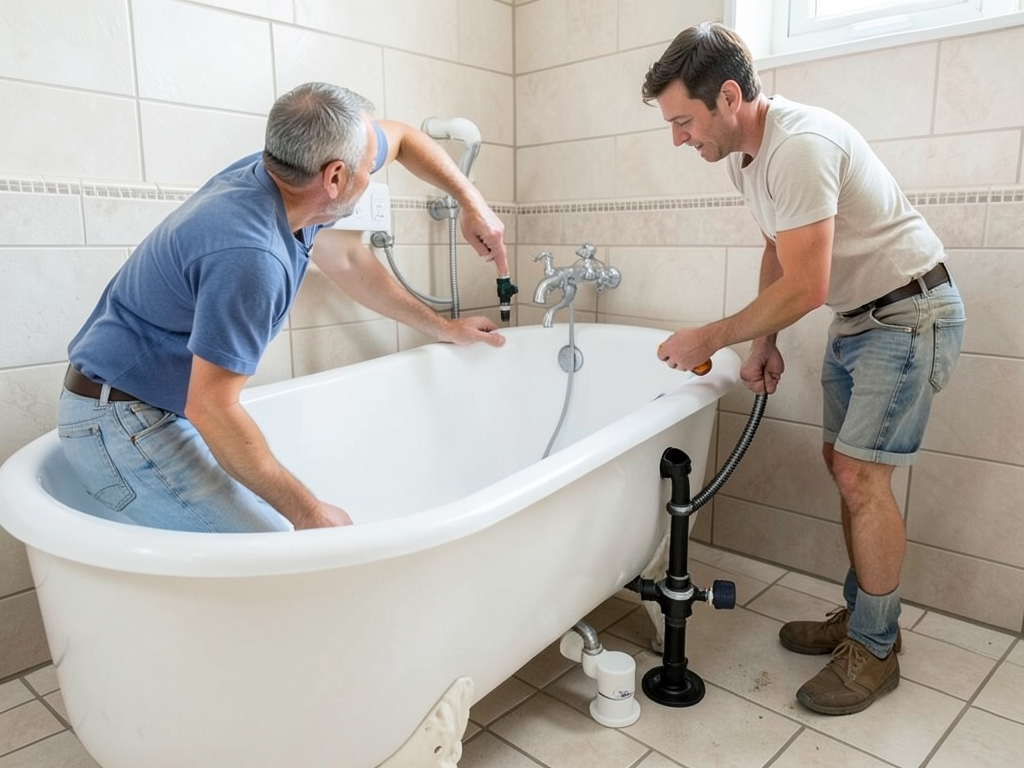
What Norman Seniors Need to Know Before Installing a Walk-In Safety Tub
Installing a walk-in safety tub in your Norman home requires careful planning beyond the initial purchase. Many seniors discover too late that their existing plumbing infrastructure cannot support these specialized fixtures. The City of Norman has specific building codes for bathroom modifications, and your home’s water heater might need upgrading to fill a 60-80 gallon tub. Before signing any contracts, understand the technical requirements that will determine if your home can actually accommodate this investment. How to Tell if Your Oklahoma City Home Has a Slab Leak Under the Foundation.
Norman’s Unique Plumbing Infrastructure Challenges
Norman’s aging infrastructure presents specific challenges for walk-in tub installations. Many homes built before 1990 have 1.5-inch drain lines that cannot handle the rapid drainage required by modern safety tubs. The City of Norman’s water pressure typically ranges from 40-60 PSI, which affects fill times significantly. Homes in the Brookhaven and Brookhaven West neighborhoods often experience lower pressure due to their elevation relative to the main water tower on East Main Street.
Drainage Requirements That Can Make or Break Your Installation
Walk-in tubs require 2-inch drain lines to prevent overflow during rapid drainage cycles. Standard 1.5-inch drains simply cannot evacuate water fast enough, creating a flooding risk. The International Plumbing Code (IPC) Section 701.1 mandates proper drainage capacity for fixtures. Many Norman homes need complete drain line replacement from the tub to the main stack, which can add $800-$1,200 to your project cost. International Plumbing Code.
Rapid Drain Technology has become standard in modern walk-in tubs, evacuating water in 2-3 minutes versus 8-10 minutes for traditional tubs. This requires not just larger pipes but also proper P-trap configuration. The trap arm must maintain a minimum 1/4-inch per foot slope toward the drain, and the trap itself needs to be accessible for cleaning. Homes with cast iron drain lines often need complete replacement with PVC to handle the increased flow rates.
Water Supply Line Upgrades You Might Need
Standard 1/2-inch supply lines cannot fill a walk-in tub efficiently. These tubs require 3/4-inch hot and cold supply lines to achieve reasonable fill times. A typical 60-gallon walk-in tub takes 15-20 minutes to fill with 1/2-inch lines but only 8-12 minutes with 3/4-inch lines. The City of Norman’s water pressure directly impacts these times – homes near the water tower fill faster than those in the southeast quadrant near Highway 9.
Many Norman homes built in the 1970s and 1980s have galvanized steel supply lines that are corroded internally. These pipes appear fine externally but have severely restricted flow capacity. A licensed plumber can test your existing supply lines using a simple pressure test with a flow meter. If your flow rate is below 5 gallons per minute at the tub location, you’ll need supply line replacement before installing a walk-in tub. Need a Plumber Right Now in Edmond? We Handle Burst Pipes and Clogs Fast.
Water Heater Capacity Requirements
Walk-in tubs consume 50-80 gallons of hot water per use, which exceeds the capacity of many standard 40-gallon water heaters. The recovery rate becomes critical – a 40-gallon heater might take 60-90 minutes to reheat after filling a walk-in tub. For seniors who bathe daily, this means waiting hours between uses or running out of hot water for other household needs.. Read more about Why Your Family Keeps Running Out of Hot Water Before the Last Person Showers.
Oklahoma’s adopted IPC Section 501.5 requires water heaters to have adequate first-hour rating for the connected fixtures. Most walk-in tub manufacturers recommend 50-gallon minimum water heater capacity with a 40,000 BTU recovery rate. Tankless water heaters can work but must be properly sized – a typical whole-house tankless unit produces 5-7 gallons per minute, which means 15-20 minutes to fill a 60-gallon tub. Oklahoma Construction Industries Board.
Navigating Norman Building Permits and Inspections
The City of Norman requires building permits for walk-in tub installations because they involve plumbing modifications and potential structural changes. The Planning & Community Development Department processes these permits, typically within 3-5 business days. Permit fees range from $75-$150 depending on the scope of work. Inspections are required at rough-in and final stages. Plumbing Edmond.
Norman’s permit process includes verification that your water heater meets code requirements and that drain lines are properly sized. The inspector will check for proper P-trap installation, adequate ventilation, and that all modifications comply with the 2021 IPC as adopted by Oklahoma. Homes in historic districts like Campus Corner may face additional requirements to preserve architectural integrity.
Electrical Requirements and Safety Features
Walk-in tubs with hydrotherapy jets require dedicated 20-amp GFCI circuits. The National Electrical Code (NEC) Article 680.71 mandates GFCI protection for all bathroom outlets and fixtures. Many Norman homes built before 2000 have outdated electrical panels that cannot accommodate the additional load. Your panel must have available capacity, and the circuit must be dedicated – no other outlets or fixtures can share this circuit. Powerful Hydro Jetting to Blast Through Main Line Roots in Quail Springs.
Thermostatic Mixing Valves (TMVs) are now required by most building codes for walk-in tubs. These valves prevent scalding by maintaining consistent water temperature within 3 degrees of the set point. The IPC Section 424.3 requires anti-scald protection for fixtures serving vulnerable populations, which includes seniors. TMVs also help conserve hot water by mixing cold water at the valve rather than in the tub.
Structural Considerations and Floor Load Capacity
A filled walk-in tub weighs 600-900 pounds plus the occupant’s weight. Standard bathroom floors are designed for 40 pounds per square foot live load, but a filled walk-in tub creates concentrated loads of 100+ pounds per square foot. This requires structural evaluation, especially in homes with pier-and-beam foundations common in Norman’s older neighborhoods.
Floor joists may need reinforcement with additional support posts or sistering existing joists. The distance between support walls affects the required reinforcement – wider spans need more support. Homes built on concrete slabs generally handle the weight better, but the drain connection still requires proper slope and support to prevent cracking.
ADA Compliance vs. Residential Comfort Standards
While ADA compliance isn’t legally required for private residences, many walk-in tub features align with ADA guidelines for accessibility. Grab bars must support 250 pounds, door thresholds should be under 1/2 inch, and controls need to be operable with one hand. The Americans with Disabilities Act Accessibility Guidelines (ADAAG) provide excellent standards even for non-commercial installations.
Residential comfort often trumps strict ADA compliance. Door openings of 20-24 inches work for most seniors versus the ADA minimum of 32 inches. Seat heights of 17-19 inches are common versus ADA’s 17-19 inch range. The key is balancing accessibility with the practical constraints of existing bathroom dimensions.
Cost Factors Beyond the Tub Purchase Price
The total cost of walk-in tub installation in Norman typically runs $8,000-$15,000, not including the tub itself. Plumbing modifications account for 30-40% of this cost. Drain line replacement averages $1,200, supply line upgrades cost $800-$1,500, and water heater upgrades add $1,500-$3,000 if needed. Permit fees and inspections add another $150-$300.
Hidden costs often surprise homeowners. Floor reinforcement might reveal rot or termite damage in older homes. Electrical upgrades could require service panel replacement if your home has a 60-amp or 100-amp service. Unexpected discoveries during demolition are common in Norman’s older housing stock, particularly in neighborhoods like Brookhaven and Brookhaven Heights. Why Edmond Homeowners Should Invest in a Whole House Water Softener.
Installation Timeline and What to Expect
Professional walk-in tub installation typically takes 2-3 days for the tub itself, but plumbing and electrical modifications extend this to 5-7 days total. Day one involves demolition and structural assessment. Days two and three handle plumbing modifications and tub installation. Electrical work and final inspections occur on days four and five.
During installation, your bathroom will be unusable. Plan for alternative bathing arrangements for at least one week. Professional installers protect your home with dust barriers and floor protection, but demolition creates significant mess. The finished installation includes waterproofing, caulking, and testing all systems before final inspection.
Maintenance Requirements for Long-Term Performance
Walk-in tubs require specific maintenance to prevent mold, mildew, and mechanical failures. The door seal needs monthly cleaning and inspection for wear. Jet systems require periodic cleaning with manufacturer-approved solutions to prevent biofilm buildup. The drain assembly should be cleaned quarterly to maintain the rapid drainage capability.
Norman’s water quality affects maintenance frequency. The city’s water contains moderate mineral content that can cause scale buildup in jets and on heating elements. Annual descaling is recommended, and water softeners can extend component life. The door seal typically needs replacement every 3-5 years depending on usage and water quality.
Choosing the Right Contractor in Norman
Not all plumbers have experience with walk-in tub installations. Look for contractors licensed by the Oklahoma Construction Industries Board (CIB) with specific experience in accessibility modifications. Ask for references from other Norman seniors who have had similar work done. Verify that the contractor handles permits and inspections as part of their service.
Professional walk-in tub installers should provide a written assessment of your home’s readiness before purchase. This assessment should include plumbing evaluation, electrical capacity check, and structural assessment. Avoid contractors who recommend specific tub brands without first evaluating your home’s infrastructure – this often indicates commission-based sales rather than professional assessment.
Frequently Asked Questions
Can I install a walk-in tub in my existing bathroom without major modifications?
Most existing bathrooms require significant modifications to accommodate walk-in tubs. Standard bathroom doors are often too narrow, and the plumbing infrastructure rarely meets the requirements. A professional assessment will identify specific modifications needed for your home.
How long does it take to fill a walk-in tub in Norman?
Fill times depend on your water pressure and supply line size. With standard 1/2-inch lines and Norman’s typical water pressure, expect 15-20 minutes to fill a 60-gallon tub. Upgrading to 3/4-inch lines reduces this to 8-12 minutes.
Do I need to upgrade my water heater for a walk-in tub?
Yes, most homes need water heater upgrades. A 40-gallon standard heater cannot supply the 50-80 gallons needed for a walk-in tub while maintaining temperature. A 50-gallon or larger heater with adequate BTU recovery rate is typically required.
What permits are required for walk-in tub installation in Norman?
The City of Norman requires building permits for walk-in tub installations because they involve plumbing modifications and potential structural changes. Permit fees range from $75-$150, and inspections are required at rough-in and final stages.
How much does walk-in tub installation cost in Norman?
Total installation costs in Norman typically range from $8,000-$15,000, not including the tub itself. Plumbing modifications, electrical upgrades, and structural reinforcements account for most of this cost.
{
“@context”: “https://schema.org”,
“@type”: “BlogPosting”,
“headline”: “What Norman Seniors Need to Know Before Installing a Walk-In Safety Tub”,
“description”: “Discover essential plumbing requirements for walk-in tubs in Norman. Learn about drainage specs, water heater capacity, and permit processes before installation.”,
“wordCount”: 1773,
“datePublished”: “2026-04-26T15:55:00.000Z”,
“dateModified”: “2026-04-26T15:55:00.000Z”,
“inLanguage”: “en-US”,
“mainEntityOfPage”: {
“@type”: “WebPage”,
“@id”: “https://atlasplumbingoklahomacity.com”
},
“publisher”: {
“@type”: “LocalBusiness”,
“name”: “Atlas Plumbing Oklahoma City”,
“url”: “https://atlasplumbingoklahomacity.com”
},
“author”: {
“@type”: “Organization”,
“name”: “Atlas Plumbing Oklahoma City”,
“url”: “https://atlasplumbingoklahomacity.com”
},
“image”: {
“@type”: “ImageObject”,
“url”: “https://atlasplumbingoklahomacity.com/wp-content/uploads/2026/03/what-norman-seniors-need-to-know-before-installing-1.png”
}
}
{
“@context”: “https://schema.org”,
“@type”: “Plumber”,
“name”: “Atlas Plumbing Oklahoma City”,
“url”: “https://atlasplumbingoklahomacity.com”,
“address”: {
“@type”: “PostalAddress”,
“addressLocality”: “Oklahoma City”
},
“areaServed”: {
“@type”: “City”,
“name”: “Oklahoma City”
}
}
{
“@context”: “https://schema.org”,
“@type”: “FAQPage”,
“mainEntity”: [
{
“@type”: “Question”,
“name”: “Can I install a walk-in tub in my existing bathroom without major modifications?”,
“acceptedAnswer”: {
“@type”: “Answer”,
“text”: “Most existing bathrooms require significant modifications to accommodate walk-in tubs. Standard bathroom doors are often too narrow, and the plumbing infrastructure rarely meets the requirements. A professional assessment will identify specific modifications needed for your home.”
}
},
{
“@type”: “Question”,
“name”: “How long does it take to fill a walk-in tub in Norman?”,
“acceptedAnswer”: {
“@type”: “Answer”,
“text”: “Fill times depend on your water pressure and supply line size. With standard 1/2-inch lines and Norman’s typical water pressure, expect 15-20 minutes to fill a 60-gallon tub. Upgrading to 3/4-inch lines reduces this to 8-12 minutes.”
}
},
{
“@type”: “Question”,
“name”: “Do I need to upgrade my water heater for a walk-in tub?”,
“acceptedAnswer”: {
“@type”: “Answer”,
“text”: “Yes, most homes need water heater upgrades. A 40-gallon standard heater cannot supply the 50-80 gallons needed for a walk-in tub while maintaining temperature. A 50-gallon or larger heater with adequate BTU recovery rate is typically required.”
}
},
{
“@type”: “Question”,
“name”: “What permits are required for walk-in tub installation in Norman?”,
“acceptedAnswer”: {
“@type”: “Answer”,
“text”: “The City of Norman requires building permits for walk-in tub installations because they involve plumbing modifications and potential structural changes. Permit fees range from $75-$150, and inspections are required at rough-in and final stages.”
}
},
{
“@type”: “Question”,
“name”: “How much does walk-in tub installation cost in Norman?”,
“acceptedAnswer”: {
“@type”: “Answer”,
“text”: “Total installation costs in Norman typically range from $8,000-$15,000, not including the tub itself. Plumbing modifications, electrical upgrades, and structural reinforcements account for most of this cost.”
}
}
]
}
{
“@context”: “https://schema.org”,
“@type”: “BreadcrumbList”,
“itemListElement”: [
{
“@type”: “ListItem”,
“position”: 1,
“name”: “Home”,
“item”: “https://atlasplumbingoklahomacity.com”
},
{
“@type”: “ListItem”,
“position”: 2,
“name”: “Blog”,
“item”: “https://atlasplumbingoklahomacity.com/blog”
},
{
“@type”: “ListItem”,
“position”: 3,
“name”: “What Norman Seniors Need to Know Before Installing a Walk-In Safety Tub”
}
]
}
{
“@context”: “https://schema.org”,
“@type”: “Service”,
“serviceType”: “Plumbing”,
“provider”: {
“@type”: “LocalBusiness”,
“name”: “Atlas Plumbing Oklahoma City”,
“url”: “https://atlasplumbingoklahomacity.com”
},
“areaServed”: {
“@type”: “City”,
“name”: “Oklahoma City”
},
“description”: “Discover essential plumbing requirements for walk-in tubs in Norman. Learn about drainage specs, water heater capacity, and permit processes before installation.”
}