Everything Choctaw Homeowners Need to Know About Septic Tank Maintenance
Living in Choctaw means dealing with Oklahoma’s unique soil conditions and weather patterns that directly impact your septic system’s performance. Most Choctaw homes rely on septic tanks rather than city sewer, making proper maintenance not just recommended but essential for protecting your property and family’s health. Understanding how Oklahoma’s heavy clay soil affects drain field absorption, recognizing warning signs before emergencies occur, and staying compliant with Oklahoma DEQ regulations can save you thousands in repair costs and prevent environmental contamination. Oklahoma DEQ septic regulations.
Why Choctaw Homeowners Need Regular Septic Pumping & Inspections
Oklahoma’s red clay soil creates unique challenges for septic systems in Choctaw. Unlike sandy soils that drain quickly, our clay-heavy ground absorbs water slowly, causing effluent to pool near the surface. This means your drain field works harder and clogs faster than systems in other regions. Most Choctaw families need pumping every 3-5 years depending on household size, but clay soil conditions often require more frequent service. How to Tell if Your Oklahoma City Home Has a Slab Leak Under the Foundation.
During Oklahoma’s rainy spring months, saturated ground prevents proper drainage, forcing your septic system to handle both household waste and standing water. This double workload stresses the tank and can cause backups into your home. Summer drought conditions create another problem – dry clay soil shrinks and cracks, allowing roots from nearby trees to invade lateral lines seeking moisture.
Regular inspections catch these issues before they become emergencies. A licensed technician measures sludge and scum layers, checks baffles for deterioration, and inspects the drain field for signs of failure. Catching problems early means smaller repair bills and prevents the nightmare scenario of sewage backing up through your drains. EPA septic system maintenance guidelines.
Our Comprehensive Maintenance Process for Choctaw Systems
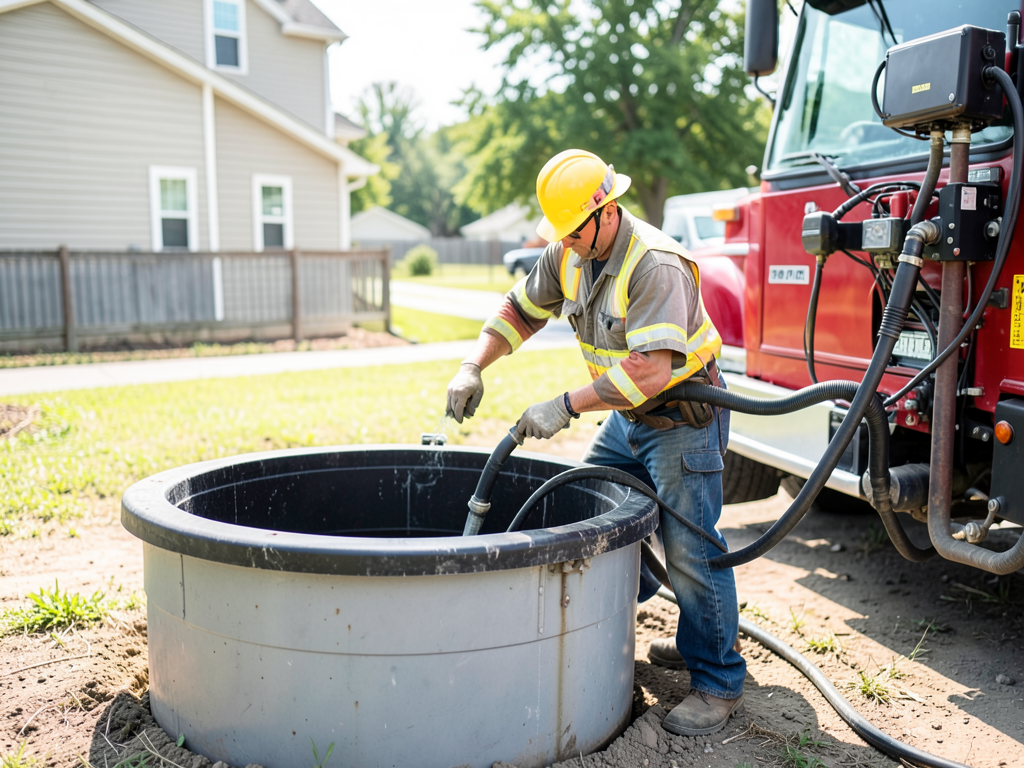
At Atlas Plumbing, we’ve developed a maintenance process specifically for Choctaw’s septic challenges. Our technicians arrive with specialized equipment designed for Oklahoma’s soil conditions, including high-capacity pumps that handle the thick sludge common in clay-heavy systems. Plumbing Edmond.
Visual Inspections and Sludge Level Measurements
The first step involves removing the tank lid and measuring both sludge and scum layers using a long measuring stick. We mark the tank at 1-foot intervals and record exact measurements. Choctaw systems typically show thicker sludge layers than systems in sandy soil areas because clay particles bind with waste materials, creating a denser accumulation.
We also inspect the tank’s interior walls for cracks or corrosion. Oklahoma’s expansive clay soil puts pressure on underground tanks, causing them to shift or crack over time. Small cracks allow roots to enter and waste to escape, contaminating groundwater.
Filter Cleaning and Baffle Checks
Modern septic tanks include effluent filters that prevent solids from entering the drain field. Choctaw’s high clay content means these filters clog faster than average. We remove and pressure-wash each filter, checking for damage that could allow solids through.
Baffles direct waste flow within the tank. The inlet baffle prevents incoming waste from disturbing settled solids, while the outlet baffle keeps floating scum from exiting the tank. Oklahoma’s freeze-thaw cycles can damage these plastic components, causing them to collapse or detach. We replace any compromised baffles with heavy-duty models designed for Oklahoma weather.
Signs Your Choctaw Septic System Needs Immediate Attention
Recognizing warning signs early can prevent expensive emergency repairs. Choctaw homeowners should watch for these specific indicators: Why Edmond Homeowners Should Invest in a Whole House Water Softener.
- Slow drains throughout the house – If multiple fixtures drain slowly, your tank may be full or your drain field saturated
- Gurgling sounds in pipes – Air trapped by blockages creates these noises when water flows
- Standing water in your yard – Especially near the drain field area during dry weather
- Sewage odors inside or outside your home – Indicates system failure or venting problems
- Lush, green grass over the drain field – Excess nutrients from leaking effluent act as fertilizer
Choctaw’s spring storm season creates additional risks. Heavy rainfall can saturate drain fields beyond capacity, causing sewage to back up into homes. If you notice any of these signs during or after storms, call immediately – waiting can result in thousands of dollars in water damage and cleanup costs.
Understanding Oklahoma DEQ Regulations for Residential Systems
Oklahoma’s Department of Environmental Quality (ODEQ) regulates all septic systems in the state. Choctaw homeowners must follow specific requirements to remain compliant and avoid fines.
ODEQ Rule 205:301 requires permits for any new septic installation or major repairs. This means you cannot simply replace a failing system without proper approval. The permitting process includes soil testing to determine appropriate system design for your property’s specific conditions. Industrial Pipe Repair.
Oklahoma law mandates minimum tank sizes based on bedrooms – a 3-bedroom home needs at least a 1,000-gallon tank. Choctaw’s clay soil often requires larger tanks or alternative systems like aerobic treatment units that provide additional filtration before effluent reaches the drain field.
Annual inspections are required for aerobic systems but recommended for all systems. ODEQ can require pumping if sludge levels exceed 1/3 of tank capacity. Keeping maintenance records proves compliance if ODEQ inspectors visit your property.
Frequently Asked Questions About Septic Care in Central Oklahoma
How often should I pump my septic tank in Choctaw?
Most Choctaw families need pumping every 3-5 years, but clay soil conditions may require more frequent service. A household of four typically needs pumping every 3 years, while a household of two might go 4-5 years between services.
What household items should never go down my drains?
Never flush wipes (even “flushable” ones), feminine hygiene products, paper towels, coffee grounds, grease, or harsh chemicals. These items don’t break down in septic tanks and can cause immediate clogs or kill beneficial bacteria.
Can I plant trees near my drain field?
Keep all trees at least 30 feet from your drain field. Oklahoma species like cottonwoods and willows have aggressive root systems that seek moisture and can destroy lateral lines. Safe options include shallow-rooted plants like ornamental grasses or native wildflowers.
What’s the difference between aerobic and anaerobic systems?
Aerobic systems use oxygen and bacteria to break down waste more completely, producing cleaner effluent. They’re often required in Choctaw’s clay soil because they handle high water tables better. Anaerobic systems are simpler and cheaper but may struggle with Choctaw’s drainage challenges.
How much does septic pumping cost in Choctaw?
Pumping costs in Choctaw typically range from $300-$600 depending on tank size and accessibility. Emergency services during storms or weekends cost more. Regular maintenance is much cheaper than emergency repairs or system replacement.
Can I add chemicals to help my septic system?
Most septic additives provide no benefit and some can harm your system. Oklahoma’s clay soil already provides minerals that support bacterial growth. The best “additive” is regular pumping and avoiding harmful substances.
Preventative Maintenance Checklist for Choctaw Homeowners
Following this checklist helps prevent emergencies and extends your system’s life:
- Schedule pumping every 3-5 years based on household size
- Keep detailed maintenance records including pumping dates and inspections
- Mark your drain field location to prevent vehicle traffic or construction damage
- Install water-efficient fixtures to reduce system load
- Repair plumbing leaks immediately – constant water flow overwhelms septic systems
- Direct roof drains and sump pumps away from the drain field
- Never use your septic system as a trash can for chemicals or non-biodegradable items
Choctaw’s seasonal weather patterns require specific attention. Before spring storms, ensure your tank isn’t due for pumping. During summer drought, watch for signs of root intrusion as clay soil shrinks. Fall is ideal for inspections before winter freeze cycles begin.
Emergency Response: What to Do When Your System Fails
Septic emergencies require immediate action to prevent property damage and health hazards. If you experience sewage backing up into your home or notice standing water near your drain field, follow these steps:
- Stop using all water immediately – every flush or load of laundry adds to the problem
- Keep children and pets away from affected areas
- Call Atlas Plumbing at (405) 507-3533 – we offer 24/7 emergency service in Choctaw
- Don’t attempt to pump the tank yourself – improper handling can cause spills and contamination
- Document damage with photos for insurance purposes
Most Choctaw septic emergencies occur during spring storms or winter freezes when systems are under maximum stress. Having a trusted local professional on speed dial can mean the difference between a quick fix and a multi-day nightmare.
Local Choctaw Septic Service Area and Contact Information
Atlas Plumbing serves all of Choctaw and surrounding areas including Nicoma Park, Harrah, and the 73020 ZIP code. Our technicians understand Choctaw’s specific soil conditions and building patterns, allowing us to diagnose problems quickly and recommend appropriate solutions.
We’re familiar with Choctaw’s older neighborhoods where systems may be 30+ years old and approaching replacement age. We also work with newer developments in the eastern part of town where modern aerobic systems are more common.
Don’t wait for a septic emergency to find a reliable service provider. Regular maintenance prevents 90% of septic failures and costs far less than emergency repairs. Call (405) 507-3533 today to schedule your inspection or pumping service. Our team will arrive on time, respect your property, and provide honest recommendations based on your system’s actual condition.
Remember: Choctaw’s clay soil, seasonal storms, and aging infrastructure make septic maintenance a necessity, not a luxury. Protect your home, your health, and your wallet with regular professional service from technicians who understand Choctaw’s unique challenges.
Why Choctaw Homeowners Trust Atlas Plumbing
We’re not just another plumbing company – we’re Choctaw residents who understand the specific challenges our neighbors face. Our technicians live in the area, shop at local stores, and know the difference between a Nicoma Park drain field and a downtown Choctaw system. This local knowledge means faster diagnosis, appropriate solutions, and service that actually solves your problem rather than creating new ones.
When you call (405) 507-3533, you’re calling a team that treats your home like our own. We arrive with the right equipment, respect your property, and stand behind our work with a satisfaction guarantee. Choctaw deserves better than out-of-town companies who don’t understand our soil, our weather, or our community values. Need a Plumber Right Now in Edmond? We Handle Burst Pipes and Clogs Fast.
Ready to protect your investment? Call (405) 507-3533 now and join the hundreds of Choctaw families who trust Atlas Plumbing with their most important home system. Your septic system works 24/7 to protect your family’s health – isn’t it time you returned the favor with professional maintenance?
You may also find this helpful. Tracking Down the Source of That Rotten Egg Smell in Your SOSA Home.
You may also find this helpful. Why Your Drains Make a Gurgling Sound When It Rains in Oklahoma City.
{
“@context”: “https://schema.org”,
“@type”: “BlogPosting”,
“headline”: “Everything Choctaw Homeowners Need to Know About Septic Tank Maintenance”,
“description”: “Learn essential septic tank maintenance tips for Choctaw homeowners. Discover pumping schedules, Oklahoma DEQ regulations, and how local clay soil affects your system.”,
“wordCount”: 1772,
“datePublished”: “2026-03-07T14:46:00.000Z”,
“dateModified”: “2026-03-07T14:46:00.000Z”,
“inLanguage”: “en-US”,
“mainEntityOfPage”: {
“@type”: “WebPage”,
“@id”: “https://atlasplumbingoklahomacity.com”
},
“publisher”: {
“@type”: “LocalBusiness”,
“name”: “Atlas Plumbing Oklahoma City”,
“url”: “https://atlasplumbingoklahomacity.com”
},
“author”: {
“@type”: “Organization”,
“name”: “Atlas Plumbing Oklahoma City”,
“url”: “https://atlasplumbingoklahomacity.com”
},
“image”: {
“@type”: “ImageObject”,
“url”: “https://atlasplumbingoklahomacity.com/wp-content/uploads/2026/03/everything-choctaw-homeowners-need-to-know-about-s-1.png”
}
}
{
“@context”: “https://schema.org”,
“@type”: “Plumber”,
“name”: “Atlas Plumbing Oklahoma City”,
“url”: “https://atlasplumbingoklahomacity.com”,
“address”: {
“@type”: “PostalAddress”,
“addressLocality”: “Oklahoma City”
},
“areaServed”: {
“@type”: “City”,
“name”: “Oklahoma City”
}
}
{
“@context”: “https://schema.org”,
“@type”: “FAQPage”,
“mainEntity”: [
{
“@type”: “Question”,
“name”: “How often should I pump my septic tank in Choctaw?”,
“acceptedAnswer”: {
“@type”: “Answer”,
“text”: “Most Choctaw families need pumping every 3-5 years, but clay soil conditions may require more frequent service. A household of four typically needs pumping every 3 years, while a household of two might go 4-5 years between services.”
}
},
{
“@type”: “Question”,
“name”: “What household items should never go down my drains?”,
“acceptedAnswer”: {
“@type”: “Answer”,
“text”: “Never flush wipes (even \”flushable\” ones), feminine hygiene products, paper towels, coffee grounds, grease, or harsh chemicals. These items don’t break down in septic tanks and can cause immediate clogs or kill beneficial bacteria.”
}
},
{
“@type”: “Question”,
“name”: “Can I plant trees near my drain field?”,
“acceptedAnswer”: {
“@type”: “Answer”,
“text”: “Keep all trees at least 30 feet from your drain field. Oklahoma species like cottonwoods and willows have aggressive root systems that seek moisture and can destroy lateral lines. Safe options include shallow-rooted plants like ornamental grasses or native wildflowers.”
}
},
{
“@type”: “Question”,
“name”: “What’s the difference between aerobic and anaerobic systems?”,
“acceptedAnswer”: {
“@type”: “Answer”,
“text”: “Aerobic systems use oxygen and bacteria to break down waste more completely, producing cleaner effluent. They’re often required in Choctaw’s clay soil because they handle high water tables better. Anaerobic systems are simpler and cheaper but may struggle with Choctaw’s drainage challenges.”
}
},
{
“@type”: “Question”,
“name”: “How much does septic pumping cost in Choctaw?”,
“acceptedAnswer”: {
“@type”: “Answer”,
“text”: “Pumping costs in Choctaw typically range from $300-$600 depending on tank size and accessibility. Emergency services during storms or weekends cost more. Regular maintenance is much cheaper than emergency repairs or system replacement.”
}
},
{
“@type”: “Question”,
“name”: “Can I add chemicals to help my septic system?”,
“acceptedAnswer”: {
“@type”: “Answer”,
“text”: “Most septic additives provide no benefit and some can harm your system. Oklahoma’s clay soil already provides minerals that support bacterial growth. The best \”additive\” is regular pumping and avoiding harmful substances.”
}
}
]
}
{
“@context”: “https://schema.org”,
“@type”: “BreadcrumbList”,
“itemListElement”: [
{
“@type”: “ListItem”,
“position”: 1,
“name”: “Home”,
“item”: “https://atlasplumbingoklahomacity.com”
},
{
“@type”: “ListItem”,
“position”: 2,
“name”: “Blog”,
“item”: “https://atlasplumbingoklahomacity.com/blog”
},
{
“@type”: “ListItem”,
“position”: 3,
“name”: “Everything Choctaw Homeowners Need to Know About Septic Tank Maintenance”
}
]
}
{
“@context”: “https://schema.org”,
“@type”: “Service”,
“serviceType”: “Plumbing”,
“provider”: {
“@type”: “LocalBusiness”,
“name”: “Atlas Plumbing Oklahoma City”,
“url”: “https://atlasplumbingoklahomacity.com”
},
“areaServed”: {
“@type”: “City”,
“name”: “Oklahoma City”
},
“description”: “Learn essential septic tank maintenance tips for Choctaw homeowners. Discover pumping schedules, Oklahoma DEQ regulations, and how local clay soil affects your system.”
}