Tracking Down the Source of That Rotten Egg Smell in Your SOSA Home
That unmistakable rotten egg smell in your SOSA home isn’t just unpleasant—it’s a warning sign. Sewer gas contains toxic chemicals like hydrogen sulfide and methane that can make your family sick. The good news is that most sewage odors have specific causes that experienced Oklahoma City plumbers can quickly identify and repair. EPA guidelines on odor investigation.
If you notice this smell, don’t wait. Sewer gas exposure can cause headaches, nausea, and respiratory problems. In extreme cases, methane buildup creates explosion risks. The first step is figuring out exactly where the smell is coming from so you can take appropriate action.
Oklahoma’s unique soil conditions and weather patterns create specific challenges for SOSA homeowners. The expansive red clay soil shifts with moisture changes, putting stress on sewer lines and creating cracks where gas can escape. Combined with our freeze-thaw cycles and occasional flooding, these factors mean sewage odors need immediate attention from local experts who understand these regional issues. How to Tell if Your Oklahoma City Home Has a Slab Leak Under the Foundation.
Is Sewer Gas Dangerous? (The Health Risks You Need to Know)
Sewer gas contains several harmful compounds. Hydrogen sulfide gives off that rotten egg odor and can cause eye irritation, coughing, and breathing problems at low concentrations. At higher levels, it can cause loss of consciousness and even death. Methane is odorless but highly flammable—a major explosion risk in enclosed spaces. Powerful Hydro Jetting to Blast Through Main Line Roots in Quail Springs.
Beyond immediate health concerns, sewer gas exposure can lead to chronic respiratory issues, especially in children and elderly family members. The gas can also damage metal pipes and fixtures over time, creating a cycle of worsening problems. If you smell sewage in your SOSA home, treat it as an emergency until proven otherwise.
The smell often indicates a breach somewhere in your plumbing system. This could be a simple dried-out P-trap or a serious sewer line break under your foundation. Either way, the problem won’t fix itself and typically gets worse over time. Quick action prevents health risks and more expensive repairs later. Industrial Pipe Repair.
Common Causes of Sewage Odors in OKC Homes
Several issues can cause that rotten egg smell in SOSA homes. Understanding these causes helps you determine if it’s a DIY fix or time to call a professional plumber. Here are the most frequent culprits we find in Oklahoma City homes. Need a Plumber Right Now in Edmond? We Handle Burst Pipes and Clogs Fast.
1. The Dry P-Trap (The Most Common Culprit)
P-traps are curved pipes under sinks, showers, and floor drains that hold water to block sewer gas. When a drain isn’t used regularly, the water in the trap evaporates, breaking the seal. This commonly happens in guest bathrooms, floor drains in basements, or rarely used utility sinks.. Read more about Why Your Drains Make a Gurgling Sound When It Rains in Oklahoma City.
The fix is simple: run water down the drain for several seconds to refill the trap. If the smell disappears within minutes, you’ve solved the problem. However, if the odor returns quickly, you likely have a more serious issue like a cracked trap or damaged pipe connection.
In SOSA homes, this problem often appears after vacation periods or during dry Oklahoma summers when evaporation happens faster. Check all floor drains and rarely used fixtures first when investigating sewage smells.
2. Faulty Toilet Wax Rings
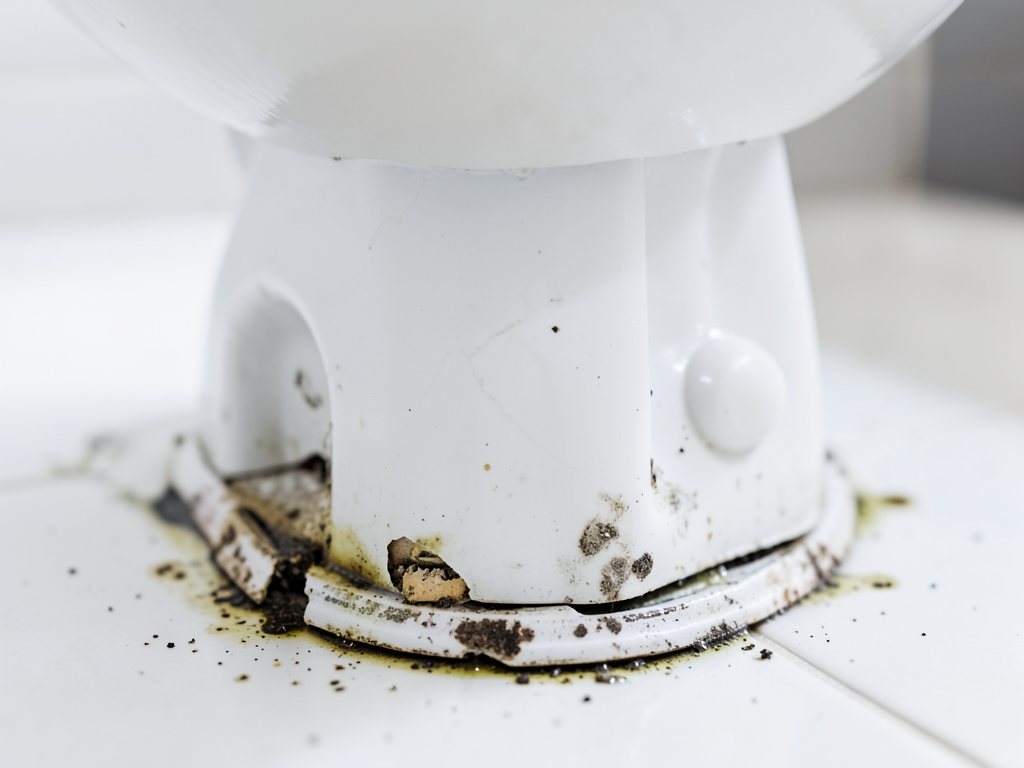
Toilets connect to the floor with a wax ring that creates an airtight seal. Over time, these rings can deteriorate, especially in homes with foundation movement common in Oklahoma’s clay soil. A failing wax ring allows sewer gas to escape around the toilet base.
You might notice the smell strongest near bathrooms or see water damage around the toilet base. The wax ring replacement is a straightforward repair for experienced plumbers, but DIY attempts often lead to improper sealing and continued problems.. Read more about Why Your Older Bethany Home Might Still Have Clay Sewer Pipes.
SOSA homes built before 2010 are particularly susceptible since they may have original wax rings nearing the end of their lifespan. Foundation settling in these older homes can accelerate wax ring failure.
3. Cracked or Blocked Vent Stacks
Plumbing vent stacks run from your drains through the roof, allowing sewer gas to escape safely outdoors. These pipes can crack from age, tree impact, or Oklahoma’s freeze-thaw cycles. They also get blocked by leaves, bird nests, or debris, forcing gas back into your home.
A blocked vent stack creates gurgling sounds in drains and causes water to drain slowly. You might notice the smell strongest near plumbing fixtures on upper floors. Professional plumbers use specialized cameras to inspect vent stacks and identify blockages or damage.
Oklahoma’s severe weather means vent stacks take more abuse than in milder climates. High winds can damage pipe connections, while ice buildup in winter can cause cracks that leak gas into your attic space.
4. Oklahoma Slab Leaks and Damaged Sewer Lines
Oklahoma’s expansive clay soil causes foundation movement that stresses underground pipes. This shifting can crack sewer lines beneath your home’s slab, creating persistent sewage odors that seem to come from nowhere. These leaks often go unnoticed until the smell becomes overwhelming.
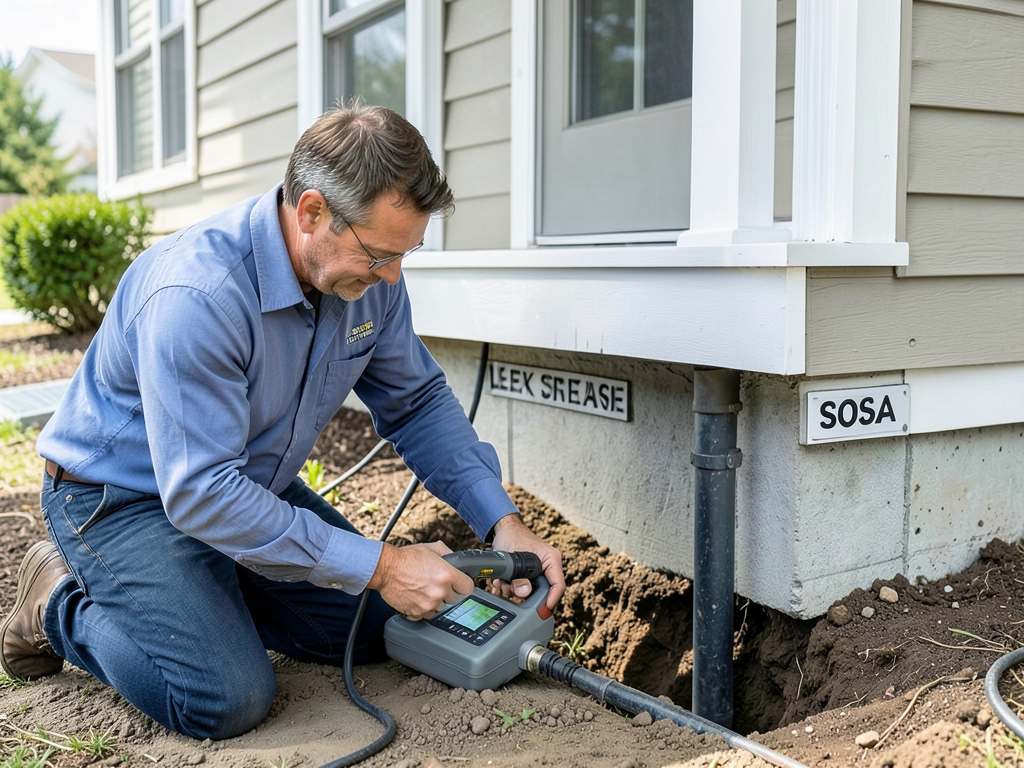
Slab leaks require immediate professional attention since they can undermine your home’s foundation. Look for additional signs like warm spots on floors, unexpectedly high water bills, or the sound of running water when all fixtures are off. These indicate a serious problem requiring specialized leak detection equipment.
SOSA homes in areas with older infrastructure face higher risks. The combination of aging cast iron pipes and Oklahoma’s soil movement creates perfect conditions for underground sewer line failures. Professional plumbers use electronic leak detection and sewer cameras to pinpoint these hidden problems without destructive testing.
How to Identify Where the Smell is Coming From
Before calling a plumber, you can narrow down the source of the sewage smell. This helps determine if it’s an emergency or something you can address immediately. Follow these steps to locate the problem area in your SOSA home.
Start by checking all drains in your home. Run water in every sink, shower, and floor drain for 30 seconds. If a particular drain eliminates the smell, you’ve likely found a dry P-trap. Pay special attention to rarely used areas like guest bathrooms, utility rooms, and basements.
Next, inspect toilet bases for signs of damage or movement. A toilet that rocks slightly when pushed may have a failing wax ring. Check for water stains or discoloration around the base, which indicates slow leaks allowing gas to escape.. Read more about Dealing With Red Iron Stains in Your Spencer Well Water.
Check your roof vent stacks if you’re comfortable doing so. Look for visible damage, bird nests, or debris blocking the pipes. However, never climb onto your roof if you’re unsure of safety procedures—this is a job for professionals with proper equipment.
If the smell persists after checking these common sources, you likely have a more serious issue like a broken sewer line or damaged drain pipe. At this point, you need professional leak detection services to locate the problem without tearing into walls or floors unnecessarily.
DIY vs. Professional Plumbing Repair: When to Call an Expert
Some sewage odor causes are simple DIY fixes, while others require professional expertise. Knowing the difference can save you time, money, and potential health risks. Here’s how to decide when to tackle the problem yourself and when to call a SOSA plumber.
DIY solutions work for dry P-traps and minor drain clogs. Simply running water through unused drains often eliminates the smell completely. You can also clean sink traps yourself if you’re comfortable with basic plumbing tools, though be prepared for unpleasant odors when opening the pipes.
However, call a professional immediately if you notice these warning signs: the smell persists after checking all drains, you see water damage or mold growth, multiple drains are slow or gurgling, or you hear running water sounds when everything is off. These indicate serious plumbing problems requiring specialized equipment.
Professional plumbers use advanced diagnostic tools like sewer cameras, smoke testing, and electronic leak detection. These methods pinpoint problems without destructive testing, saving you money on unnecessary repairs. They also understand Oklahoma’s specific plumbing codes and soil conditions that affect repair methods.
Don’t risk your family’s health or your home’s structural integrity with DIY repairs for major plumbing issues. The cost of professional diagnosis is minimal compared to the potential damage from untreated sewer leaks or gas exposure.
Why Oklahoma City’s Soil Causes Sewer Line Issues
Oklahoma’s expansive clay soil creates unique challenges for homeowners throughout the OKC metro area, including SOSA. This soil type expands when wet and contracts when dry, causing significant ground movement that stresses underground plumbing systems. Understanding this helps explain why sewage odors are so common in our region. Why Edmond Homeowners Should Invest in a Whole House Water Softener.
During Oklahoma’s wet springs and dry summers, clay soil can expand and contract by several inches. This movement puts tremendous pressure on rigid sewer pipes, especially older clay or cast iron lines. The constant shifting causes cracks, separated joints, and eventual pipe failure that allows sewer gas to escape.
Foundation movement from soil expansion also affects above-ground plumbing connections. Toilets can shift slightly, breaking wax ring seals. Sink drains can separate from pipes. Even P-traps can crack under the stress of a moving foundation. These issues are particularly common in SOSA homes built on clay-heavy lots.
Professional plumbers in Oklahoma City understand these soil-related challenges. They use flexible pipe materials, proper support systems, and soil-specific installation techniques that account for our region’s unique conditions. When repairing sewage odors, they look beyond the immediate problem to address underlying soil-related causes.
Our Sewer Odor Detection & Repair Process
When you call Atlas Plumbing about sewage odors in your SOSA home, we follow a systematic process to identify and fix the problem quickly. Our experienced technicians understand Oklahoma’s specific plumbing challenges and use advanced diagnostic tools to minimize disruption to your home.
We start with a thorough visual inspection of all visible plumbing fixtures, drains, and connections. This helps identify obvious issues like dry P-traps or damaged toilet seals. We also check for signs of water damage, mold growth, or foundation issues that might indicate more serious problems.
Next, we use specialized equipment to locate hidden leaks or pipe damage. Sewer cameras allow us to inspect pipes from the inside, identifying cracks, blockages, or separated joints without destructive testing. Electronic leak detection can find slab leaks by sensing the sound of water escaping from pipes.
For persistent odors that don’t show up on camera inspection, we use smoke testing. This involves pumping non-toxic smoke into your plumbing system to reveal exactly where sewer gas is escaping. Smoke testing is particularly effective for finding cracked vent stacks, broken drain pipes, or illegal plumbing connections.
Once we identify the problem, we provide clear explanations and upfront pricing for repairs. Our technicians carry most common replacement parts, allowing us to fix many issues the same day. For major repairs like sewer line replacement, we provide detailed timelines and keep you informed throughout the process.
We also offer preventative maintenance services to help SOSA homeowners avoid future sewage odor problems. This includes regular drain cleaning, P-trap inspections, and early detection of potential issues before they become emergencies.
Frequently Asked Questions
Why does my house smell like rotten eggs only at night?
Sewer gas odors often seem stronger at night because there’s less air movement to disperse the gas. Additionally, your home is closed up during evening hours, allowing gas to concentrate. Temperature changes can also cause gas to rise from underground pipes into your living space.
Can I get sick from sewer gas in my house?
Yes, sewer gas exposure can cause headaches, nausea, eye irritation, and respiratory problems. Hydrogen sulfide, the compound causing the rotten egg smell, is particularly dangerous at higher concentrations. If you experience these symptoms along with sewage odors, leave the area and call a professional immediately.
How much does it cost to fix a sewage odor problem?
Costs vary widely depending on the cause. Simple fixes like refilling P-traps cost under $100, while major repairs like sewer line replacement can cost thousands. Most SOSA homeowners spend between $200-$600 for professional diagnosis and repair of common sewage odor issues.
Is a sewage smell an emergency?
Yes, any sewage smell should be treated as an emergency until proven otherwise. Sewer gas contains toxic chemicals and explosive methane. While some causes are minor, you won’t know the severity until a professional inspects your system. Don’t wait to address sewage odors.
How long can I wait to fix a sewage smell?
You shouldn’t wait at all. Sewer gas problems typically worsen over time and can cause health issues or property damage. What starts as a simple dry P-trap can become a major sewer line break if left untreated. Call a plumber the same day you notice the smell.
Don’t Let Sewage Odors Threaten Your Family’s Health
That rotten egg smell in your SOSA home is more than just unpleasant—it’s a warning sign that requires immediate attention. Whether it’s a simple dry P-trap or a serious sewer line break, quick action prevents health risks and more expensive repairs later.
Atlas Plumbing understands Oklahoma’s unique soil conditions and plumbing challenges. Our experienced technicians use advanced diagnostic tools to find and fix sewage odor problems quickly and effectively. We serve SOSA and the entire Oklahoma City metro area with 24/7 emergency service.
Don’t wait for a minor odor problem to become a major health hazard. Call (405) 507-3533 today to schedule your inspection. Our team will identify the source of the smell and provide clear, upfront pricing for repairs. Your family’s health and safety are worth the call.
Pick up the phone and call (405) 507-3533 before the next storm hits. Oklahoma’s weather can make sewage odor problems worse, and we’re ready to help SOSA homeowners breathe easier again. For more information, visit CDC information on hydrogen sulfide exposure.
{
“@context”: “https://schema.org”,
“@type”: “BlogPosting”,
“headline”: “Tracking Down the Source of That Rotten Egg Smell in Your SOSA Home”,
“description”: “Does your SOSA home smell like rotten eggs? Learn the dangers of sewer gas, common causes, and how to fix sewage odors in Oklahoma City homes with expert plumbing help.”,
“wordCount”: 2329,
“datePublished”: “2026-03-14T11:39:00.000Z”,
“dateModified”: “2026-03-14T11:39:00.000Z”,
“inLanguage”: “en-US”,
“mainEntityOfPage”: {
“@type”: “WebPage”,
“@id”: “https://atlasplumbingoklahomacity.com”
},
“publisher”: {
“@type”: “LocalBusiness”,
“name”: “Atlas Plumbing Oklahoma City”,
“url”: “https://atlasplumbingoklahomacity.com”
},
“author”: {
“@type”: “Organization”,
“name”: “Atlas Plumbing Oklahoma City”,
“url”: “https://atlasplumbingoklahomacity.com”
},
“image”: {
“@type”: “ImageObject”,
“url”: “https://atlasplumbingoklahomacity.com/wp-content/uploads/2026/03/tracking-down-the-source-of-that-rotten-egg-smell-1.png”
}
}
{
“@context”: “https://schema.org”,
“@type”: “Plumber”,
“name”: “Atlas Plumbing Oklahoma City”,
“url”: “https://atlasplumbingoklahomacity.com”,
“address”: {
“@type”: “PostalAddress”,
“addressLocality”: “Oklahoma City”
},
“areaServed”: {
“@type”: “City”,
“name”: “Oklahoma City”
}
}
{
“@context”: “https://schema.org”,
“@type”: “FAQPage”,
“mainEntity”: [
{
“@type”: “Question”,
“name”: “Why does my house smell like rotten eggs only at night?”,
“acceptedAnswer”: {
“@type”: “Answer”,
“text”: “Sewer gas odors often seem stronger at night because there’s less air movement to disperse the gas. Additionally, your home is closed up during evening hours, allowing gas to concentrate. Temperature changes can also cause gas to rise from underground pipes into your living space.”
}
},
{
“@type”: “Question”,
“name”: “Can I get sick from sewer gas in my house?”,
“acceptedAnswer”: {
“@type”: “Answer”,
“text”: “Yes, sewer gas exposure can cause headaches, nausea, eye irritation, and respiratory problems. Hydrogen sulfide, the compound causing the rotten egg smell, is particularly dangerous at higher concentrations. If you experience these symptoms along with sewage odors, leave the area and call a professional immediately.”
}
},
{
“@type”: “Question”,
“name”: “How much does it cost to fix a sewage odor problem?”,
“acceptedAnswer”: {
“@type”: “Answer”,
“text”: “Costs vary widely depending on the cause. Simple fixes like refilling P-traps cost under $100, while major repairs like sewer line replacement can cost thousands. Most SOSA homeowners spend between $200-$600 for professional diagnosis and repair of common sewage odor issues.”
}
},
{
“@type”: “Question”,
“name”: “Is a sewage smell an emergency?”,
“acceptedAnswer”: {
“@type”: “Answer”,
“text”: “Yes, any sewage smell should be treated as an emergency until proven otherwise. Sewer gas contains toxic chemicals and explosive methane. While some causes are minor, you won’t know the severity until a professional inspects your system. Don’t wait to address sewage odors.”
}
},
{
“@type”: “Question”,
“name”: “How long can I wait to fix a sewage smell?”,
“acceptedAnswer”: {
“@type”: “Answer”,
“text”: “You shouldn’t wait at all. Sewer gas problems typically worsen over time and can cause health issues or property damage. What starts as a simple dry P-trap can become a major sewer line break if left untreated. Call a plumber the same day you notice the smell.”
}
}
]
}
{
“@context”: “https://schema.org”,
“@type”: “BreadcrumbList”,
“itemListElement”: [
{
“@type”: “ListItem”,
“position”: 1,
“name”: “Home”,
“item”: “https://atlasplumbingoklahomacity.com”
},
{
“@type”: “ListItem”,
“position”: 2,
“name”: “Blog”,
“item”: “https://atlasplumbingoklahomacity.com/blog”
},
{
“@type”: “ListItem”,
“position”: 3,
“name”: “Tracking Down the Source of That Rotten Egg Smell in Your SOSA Home”
}
]
}
{
“@context”: “https://schema.org”,
“@type”: “Service”,
“serviceType”: “Plumbing”,
“provider”: {
“@type”: “LocalBusiness”,
“name”: “Atlas Plumbing Oklahoma City”,
“url”: “https://atlasplumbingoklahomacity.com”
},
“areaServed”: {
“@type”: “City”,
“name”: “Oklahoma City”
},
“description”: “Does your SOSA home smell like rotten eggs? Learn the dangers of sewer gas, common causes, and how to fix sewage odors in Oklahoma City homes with expert plumbing help.”
}