




Menu

Commercial Kitchen Plumbing in Oklahoma City – Minimize Downtime with Industrial-Grade Solutions

Atlas Plumbing Oklahoma City delivers high-capacity restaurant plumbing services engineered for food service operations, preventing operational shutdowns and ensuring code compliance across the metro.

Slider Image 1
Slider Image 2
Slider Image 3
Slider Image 4
Slider Image 5
Slider Image 7
Slider Image 8
Slider Image 9
Slider Image 10
Slider Image 11

Why Commercial Kitchen Plumbing Demands Industrial Expertise in Oklahoma City

Your commercial kitchen operates under conditions that residential systems never face. High-temperature discharge, constant grease loads, and the corrosive nature of food waste create failure points that can shut down revenue operations in hours.

Oklahoma City's hard water compounds these challenges. The mineral concentration in the metro area accelerates scale buildup inside dishwasher supply lines, pre-rinse spray valves, and steam equipment connections. When a three-compartment sink backs up during dinner service or a floor drain floods the prep area, you are not just dealing with a plumbing problem. You are hemorrhaging revenue and risking health department violations.

The commercial kitchen plumber you choose must understand industrial kitchen plumbing systems that handle 300-degree water, caustic chemical cleaners, and grease interceptor maintenance protocols. Restaurant plumbing services require knowledge of backflow prevention assemblies, thermostatic mixing valves, and the pressure demands of rack dishwashers pulling 40 gallons per cycle.

Oklahoma City's aging infrastructure in districts like Bricktown and Automobile Alley means many restaurant spaces occupy buildings with outdated waste lines inadequate for modern food service plumbing demands. A residential plumber will miss the nuances of trap sizing for wok stations, the venting requirements for kettle drains, or the proper slope for trough drains in dish rooms.

Professional kitchen plumbing is not about fixing leaks. It is about protecting your operating license and your profit margin.

Why Commercial Kitchen Plumbing Demands Industrial Expertise in Oklahoma City
How Atlas Plumbing Oklahoma City Approaches Food Service Plumbing Systems

How Atlas Plumbing Oklahoma City Approaches Food Service Plumbing Systems

We do not troubleshoot commercial kitchens the way we approach residential service calls. The methodology is different because the stakes are different.

Our industrial kitchen plumbing assessments begin with load calculations. We measure actual flow rates at fixture groups, test pressure at the incoming main during peak hours, and evaluate whether your current waste lines can handle the hydraulic load you are pushing through them. A 60-seat restaurant generates different demands than a catering operation or hotel kitchen.

We map your hot water distribution system to identify recirculation loop inefficiencies that waste energy and create temperature inconsistencies at handwashing stations. Health codes require 110-degree water at sinks, but if your system takes 45 seconds to deliver it, you are inviting violations.

Grease management is the variable that determines whether your restaurant plumbing services needs are predictable or chaotic. We size grease interceptors based on actual flow-through rates and cooking equipment discharge, not the generic calculations that lead to premature saturation and emergency pump-outs.

For equipment connections, we use braided stainless supply lines rated for commercial pressure, install individual shut-offs for every appliance, and verify that your gas connections meet IFGC standards for BTU load. When a combi oven fails at 6 PM on a Saturday, isolation valves mean you stay operational.

Our commercial kitchen plumber team carries parts inventory specific to food service. We stock flange gaskets for floor sinks, vacuum breakers for pre-rinse units, and the check valves that fail in carbonation systems. This is not hardware store plumbing. It is engineered infrastructure.

What Happens During a Commercial Kitchen Plumbing Service Call

Commercial Kitchen Plumbing in Oklahoma City – Minimize Downtime with Industrial-Grade Solutions
01

Operational Assessment

We begin by understanding your operational flow. When do you run the dishwasher? What time does prep start? Which equipment runs simultaneously? This determines whether your drainage system has adequate capacity or if fixture scheduling is masking an undersized waste line that will fail during a rush. We identify bottlenecks before they become emergencies.
02

System Diagnosis

Using hydrostatic testing and camera inspection, we evaluate your drain lines for grease accumulation, root intrusion, and structural integrity. We test backflow assemblies, verify water heater recovery rates, and measure actual temperature and pressure at every fixture. This reveals whether problems stem from equipment failure, system design flaws, or capacity limits that require infrastructure upgrades.
03

Repair and Documentation

Repairs are executed during off-hours when possible to preserve revenue operations. We provide code compliance documentation for health inspections, photograph all work for insurance purposes, and deliver maintenance schedules for grease traps and backflow testing. You receive a system map showing shut-off locations, so your staff can respond to minor issues without calling emergency services.

Why Oklahoma City Restaurant Operators Choose Atlas Plumbing

Commercial kitchen plumbing failures do not wait for convenient times. They happen during service, when your dining room is full and your kitchen is running at capacity.

Atlas Plumbing Oklahoma City operates with the understanding that your downtime is measured in lost covers and damaged reputation. We respond to commercial calls within two hours because we know that a backed-up floor sink or failed water heater does not just inconvenience your staff. It shuts down your ability to generate revenue.

Our familiarity with Oklahoma City health department requirements means we know which repairs trigger re-inspection and how to document work to satisfy code officials. When we install or repair professional kitchen plumbing systems, the work passes inspection the first time.

We have worked in establishments across the metro, from food trucks in the Plaza District to full-service restaurants in Midtown. We understand the plumbing differences between a bakery, a brewery, and a steakhouse. Each operation has unique fixture demands, waste characteristics, and water quality concerns.

Oklahoma City's restaurant scene operates on thin margins. You cannot afford a plumber who learns commercial systems at your expense or one who applies residential thinking to industrial kitchen plumbing problems. Our team includes technicians who have installed restaurant plumbing services in new construction and repaired decades-old systems in historic buildings.

We do not upsell unnecessary equipment or recommend replacements when repairs are viable. Our recommendations focus on operational continuity and code compliance, not maximizing invoice totals. You get direct answers about what failed, why it failed, and what it will take to prevent recurrence.

What to Expect When You Call Atlas Plumbing for Commercial Kitchen Service

Response Time and Availability

Commercial calls receive priority dispatch. We arrive within two hours for emergencies and schedule non-urgent work during your closed hours to avoid disrupting service. Our trucks carry inventory specific to food service applications, which means we complete most repairs on the first visit without waiting for parts orders. You get same-day resolution for equipment connections, fixture replacements, and drain clearing. Multi-day projects like water heater installations or waste line replacement are staged to minimize closure time.

Site Assessment Process

We do not diagnose problems over the phone. Our technician physically inspects your system, tests water pressure and temperature, evaluates drain flow rates, and identifies code violations that could trigger health department action. You receive a written assessment explaining what failed, what caused the failure, and which components are approaching end-of-life. We photograph problem areas and provide before-and-after documentation for your records. If repairs require permits, we handle the filing and coordinate inspections.

Quality of Completed Work

Every installation meets Oklahoma City plumbing code and health department standards. We use commercial-grade components rated for the temperatures, pressures, and chemical exposure your kitchen generates. Connections are made with proper joining methods, not shortcuts that fail during health inspections. Drain lines are sloped correctly, vents are sized to prevent trap siphoning, and water heaters are installed with expansion tanks and pressure relief piping. You get work that passes inspection without callbacks or corrections.

Ongoing Maintenance Support

Commercial kitchens require scheduled maintenance to prevent catastrophic failures. We provide service agreements covering grease interceptor pumping, backflow testing, water heater flushing, and drain line cleaning. You receive reminders when maintenance is due and priority scheduling to complete work during your slow periods. Our maintenance visits include inspection of fixture shut-offs, supply line condition, and early warning signs of impending failures. Preventing problems is cheaper than repairing them during dinner service.

Frequently Asked Questions

You Have Questions,
We Have Answers

What type of plumbing is used in commercial buildings? +

Commercial buildings in Oklahoma City typically use copper, PEX, or CPVC for water supply lines, with copper still dominating high-rise and institutional projects due to durability and fire code requirements. Drain, waste, and vent systems rely on cast iron, PVC, or ABS pipe, depending on building height and code specifications. Cast iron remains preferred in multi-story structures for sound dampening and fire resistance. Commercial kitchens often require heavier-duty materials like stainless steel or schedule 40 PVC for grease traps and drainage. Oklahoma City's clay soil and freeze-thaw cycles necessitate proper pipe bedding and expansion allowances to prevent joint failure and maintain system integrity.

What is the 135 rule for plumbing? +

The 135-degree rule addresses elbow fittings in drainage systems. When changing pipe direction in horizontal drainage runs, you should avoid sharp 90-degree elbows. Instead, use two 45-degree fittings or a long-sweep 90-degree elbow to create a smoother flow path. This reduces the risk of clogs and maintains proper drainage velocity. In commercial kitchens handling grease and food waste, this rule becomes critical for preventing backups. Oklahoma City's food service code enforcement emphasizes proper drainage angles to minimize maintenance calls and health violations. Proper fitting selection reduces turbulence, prevents solid buildup, and extends the lifespan of your drainage infrastructure.

How many floor drains are required in a commercial kitchen? +

Oklahoma City commercial kitchens must follow the International Plumbing Code and local amendments. Minimum requirements typically include one floor drain per 400 square feet of kitchen space. However, specific equipment dictates additional drains. You need individual floor drains under ice machines, walk-in coolers, dishwashers, and three-compartment sinks. High-volume cooking areas often require trench drains for efficient cleanup. The health department may mandate additional drains based on your menu and equipment layout. Grease traps require dedicated drainage separate from standard floor drains. Each drain must have a p-trap and proper slope. Consulting with a licensed commercial plumber during design prevents costly revisions.

What plumbing is needed for a kitchen? +

A commercial kitchen requires hot and cold water supply lines sized for peak demand, typically three-quarter-inch to one-inch copper or PEX. You need separate drainage for sinks, dishwashers, and floor drains, all properly vented to prevent siphoning and maintain trap seals. Grease interceptors are mandatory for most food service operations in Oklahoma City. Gas lines must serve cooking equipment with proper shut-offs and sediment traps. Backflow preventers protect the municipal water supply. Ice machines and beverage equipment need dedicated supply lines with filtration. Floor drains require indirect waste connections for refrigeration condensate. All installations must meet Oklahoma City plumbing code and health department standards.

What is the highest paid type of plumber? +

Master plumbers specializing in commercial and industrial projects command the highest wages. In Oklahoma City, those focusing on medical facilities, food processing plants, or large commercial buildings earn premium rates due to complexity and liability. Specialized skills in backflow prevention, medical gas systems, and process piping increase earning potential. Plumbers with cross-training in HVAC or fire suppression systems also command higher compensation. Union journeymen working on prevailing wage projects see elevated pay scales. Service plumbers with strong diagnostic skills and commercial accounts often earn more than residential counterparts. Emergency commercial work, particularly for restaurants and hospitals, generates substantial overtime premiums and on-call bonuses.

What material is used for commercial kitchen drain pipes? +

Commercial kitchen drain pipes typically use schedule 40 PVC for above-ground waste lines due to chemical resistance and cost efficiency. Cast iron remains common in multi-story buildings for fire resistance and sound dampening. Stainless steel drainage appears in high-end installations requiring superior corrosion resistance and sanitation. Grease waste lines specifically require materials resistant to hot water and caustic cleaning chemicals. Oklahoma City code compliance often mandates cast iron for certain applications in older buildings or historic districts. All materials must handle temperatures up to 180 degrees from dishwashers and pot sinks. Proper material selection prevents premature failure from grease, acids, and thermal shock common in food service environments.

How many fixtures can you run on 1/2 pipe? +

Half-inch pipe in commercial applications typically serves one to three fixture units, depending on pipe length and pressure. The International Plumbing Code uses fixture unit tables to calculate capacity based on demand load, not just fixture count. In practice, half-inch lines commonly supply single lavatories or bar sinks in commercial settings. Commercial kitchens rarely use half-inch supply lines due to higher demand. Three-quarter-inch or larger pipes serve multiple fixtures or high-flow equipment. Oklahoma City commercial projects require proper sizing calculations submitted with permit applications. Undersized supply lines cause pressure drops, equipment malfunctions, and code violations. A qualified plumber calculates fixture units and pipe sizing during design to ensure adequate flow.

What is the correct slope of a 4 inch sewer line? +

A four-inch sewer line requires a minimum slope of one-quarter inch per foot, or approximately two percent grade. This slope maintains adequate velocity to prevent solid waste from settling and causing blockages. Commercial kitchens in Oklahoma City often increase slope to three-eighths inch per foot when handling grease and food waste. Excessive slope exceeding one inch per foot can cause liquid to outrun solids, leaving debris behind. Clay soil conditions common in Oklahoma City require proper bedding and compaction to maintain consistent slope over time. Laser levels ensure accurate grading during installation. Improper slope leads to chronic backups, odors, and premature pipe failure requiring expensive excavation and replacement.

What is the 1.414 rule in plumbing? +

The 1.414 rule calculates offset distances in diagonal pipe runs. When installing a 45-degree offset, multiply the advance distance by 1.414 to determine the true pipe length needed. This mathematical constant accounts for the hypotenuse in right-triangle geometry. For example, a 10-inch advance requires 14.14 inches of pipe. Commercial plumbers use this calculation for precise material ordering and fitting placement. In tight mechanical rooms common in Oklahoma City commercial buildings, accurate offset calculations prevent costly mistakes and material waste. The rule applies to any 45-degree fitting configuration in supply, drainage, or vent systems. Understanding this principle separates experienced commercial plumbers from residential installers.

What is the 3x4 kitchen rule? +

The 3x4 kitchen rule does not exist as a recognized plumbing standard. You may be confusing this with the kitchen work triangle concept from design, which addresses workspace efficiency between the sink, stove, and refrigerator. In plumbing terms, commercial kitchens follow fixture unit calculations, drainage slope requirements, and equipment-specific code mandates. Oklahoma City commercial kitchen plumbing focuses on proper venting, grease trap sizing, backflow prevention, and adequate hot water capacity. Health department regulations dictate handwashing sink placement and three-compartment sink specifications. If you need clarification on a specific commercial kitchen plumbing requirement, consult with a licensed Oklahoma City commercial plumber familiar with local code amendments.

How Oklahoma City Water Quality Impacts Restaurant Equipment Lifespan

Oklahoma City water averages 8-12 grains per gallon hardness, which places it in the moderately hard category. This mineral load creates scale deposits inside water heaters, reduces heat transfer efficiency in steam equipment, and clogs spray nozzles in dishwashers and pre-rinse units. Restaurants operating without water softening systems or regular descaling protocols experience premature equipment failure and higher energy costs. Hard water also reduces the effectiveness of detergents and sanitizers, requiring higher chemical concentrations to meet health department standards. Atlas Plumbing Oklahoma City integrates water conditioning recommendations into every industrial kitchen plumbing assessment because equipment longevity depends on water quality management.

Food service operators in Oklahoma City face inspection protocols administered by the Oklahoma County Health Department, which enforces standards stricter than residential code. Backflow prevention, proper air gaps, and grease interceptor sizing are not optional. Many older restaurant spaces in areas like Paseo and Deep Deuce were built before modern food service plumbing requirements existed, which means retrofitting is often necessary to maintain operating permits. Working with a commercial kitchen plumber who understands local inspection criteria prevents costly reinspections and operational delays. Our team maintains relationships with local code officials and understands which installations trigger plan review versus over-the-counter permits.


Plumbing Services in The Oklahoma City Area

We are proud to serve the entire Oklahoma City metropolitan area and surrounding communities. Our dedicated team is strategically located to ensure a rapid response time for all your plumbing needs, whether it's a scheduled repair or an urgent emergency. We are committed to bringing our expert services right to your doorstep, providing professional and reliable solutions wherever you are in our service region.

Address:
Atlas Plumbing Oklahoma City, 1611 N Broadway Ave, Oklahoma City, OK, 73103

Additional Services We Offer

Our news updates

Latest Articles & News from The Blogs

Solving the Unique Plumbing Layout Challenges in Film Row Lofts and Condos \n\n Film Row in Oklahoma City presents unique…

Solving the Unique Plumbing Layout Challenges in Film Row Lofts and Condos

Solving the Unique Plumbing Layout Challenges in Film Row Lofts and Condos \n\n Film Row in Oklahoma City presents unique…

Why Moving a Toilet Is the Most Expensive Part of Your Plaza District Remodel

Why Moving a Toilet Is the Most Expensive Part of Your Plaza District Remodel Moving a toilet during a bathroom…

Why Your Water Softener Salt Tank Is Caking Up (And How to Fix the Salt Bridge)

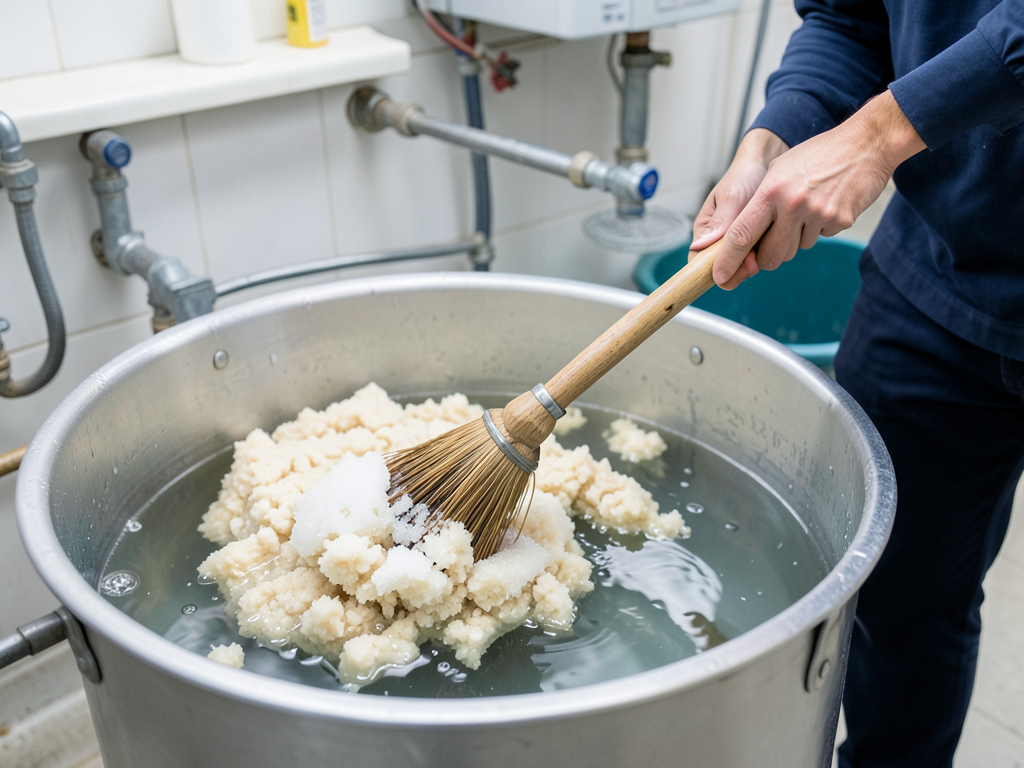
Why Your Water Softener Salt Tank Is Caking Up (And How to Fix the Salt Bridge) If you’re seeing a…

Contact Us

Do not wait for a plumbing failure to shut down your revenue. Call Atlas Plumbing Oklahoma City at (405) 507-3533 for commercial kitchen plumbing services that keep your operation running. We respond fast, work clean, and deliver code-compliant solutions.