
Setting Up a Dedicated Brewing Station for Your OKC Garage or Shop
Building a home brewery in Oklahoma City requires more than just passion for craft beer. It demands understanding local water chemistry, building codes, and proper plumbing infrastructure. Whether you’re in a garage in The Village or a shop in Nichols Hills, this guide covers everything from water filtration to drainage systems that meet Oklahoma City Water Utilities Trust standards. Oklahoma City Permitting Office.
Understanding Oklahoma City Water Chemistry for Brewing
Oklahoma City’s water comes from surface sources and varies seasonally in mineral content. The water hardness typically ranges from 8-12 grains per gallon, which affects mash pH and beer clarity. Before installing any brewing equipment, you need to test your water’s alkalinity, calcium, and sulfate levels. Oklahoma City Water Utilities Trust.
Most home brewers in the OKC metro area find they need some form of water treatment. A simple carbon filter removes chlorine, while reverse osmosis systems strip minerals entirely for brewing water profile control. For IPAs and pale ales popular in Oklahoma, you’ll want higher sulfate levels, while stouts benefit from higher calcium. Oklahoma Construction Industries Board.
Consider installing a dedicated water line with a 3/4-inch diameter to handle the high flow rates needed for sparging. This prevents pressure drops when multiple appliances run simultaneously in your home.
Drainage Requirements That Meet OKC Building Codes
Hot wort disposal and cleaning create significant wastewater that requires proper drainage. Oklahoma City building codes mandate floor drains in brewing spaces where hot liquids are handled. The minimum slope for drainage pipes is 1/4 inch per foot to prevent standing water. How to Tell if Your Oklahoma City Home Has a Slab Leak Under the Foundation.
Install a floor drain with a 4-inch diameter in your brewing area. The drain should connect to your home’s main sewer line through a P-trap to prevent sewer gases from backing up. For garages without existing plumbing, trenching through the concrete slab is necessary. Plumbing Edmond.
Consider acid-resistant piping since wort contains organic acids that can corrode standard PVC over time. Schedule 40 PVC or cast iron pipes provide durability for hot liquid disposal up to 180°F.
Pro Tip: Install a floor sink with a 6-inch depth near your brewing station. This provides a dedicated spot for cleaning small equipment and prevents cross-contamination with kitchen sinks.
Gas Line Installation for High-BTU Burners
Most brewing kettles require burners producing 50,000 to 100,000 BTUs. This high heat demand necessitates proper gas line sizing. For indoor brewing setups, natural gas lines must comply with Oklahoma Construction Industries Board regulations.
A 3/4-inch gas line typically supports up to 150,000 BTUs over a 20-foot run. Calculate your total BTU requirement by adding the burner output plus any other gas appliances in the space. Undersized lines cause yellow flames and incomplete combustion.
Install a gas shut-off valve within 6 feet of your brewing station for emergency shutoff. All gas connections should use approved flexible connectors rated for outdoor use, even for indoor installations, to accommodate vibration from pumps and equipment.
Ventilation becomes critical with high-BTU burners. Install a range hood or exhaust fan rated for at least 300 CFM to remove steam and combustion byproducts. This prevents moisture damage to your garage structure and maintains air quality.
Water Filtration Systems for Consistent Brewing Results
Water consistency affects every batch you brew. Oklahoma City’s water treatment can vary chlorine levels seasonally, impacting yeast health and beer flavor. A multi-stage filtration system provides the most reliable results.
Start with a 5-micron sediment filter to remove particulates. Follow with an activated carbon block filter for chlorine and chloramine removal. For IPAs and lagers requiring precise water profiles, add a reverse osmosis system with a remineralization cartridge.
Flow rate matters for brewing efficiency. A whole-house filter system should provide at least 5 gallons per minute to keep up with sparge water demands. Smaller filters create bottlenecks that extend brew day unnecessarily.
Consider a dedicated brewing water storage tank with temperature control. A 50-gallon insulated tank maintains strike water temperature and reduces heating time. This becomes especially valuable during Oklahoma’s winter months when incoming water temperatures drop significantly.
Electrical Requirements for Brewing Equipment
Modern brewing setups often include electric heating elements, pumps, and temperature controllers. Most brewing pumps require 120V circuits, while high-wattage heating elements need 240V circuits.
A typical 10-gallon electric brewery might draw 30 amps at 240V for the heating element alone. This requires a dedicated 40-amp circuit with appropriate wiring gauge. Overloading circuits causes tripped breakers and interrupted brew sessions.
Install GFCI protection on all circuits near water sources. Oklahoma electrical code requires GFCI outlets within 6 feet of sinks or other water sources. This protects against electrical shock in the damp brewing environment.
Consider smart home integration for temperature monitoring and pump control. Many brewers install Wi-Fi-enabled controllers that allow remote monitoring of fermentation temperatures and mash profiles through smartphone apps.
Floor Drain Installation and Sloping Requirements
Proper floor drainage prevents water damage and mold growth in your brewing space. The Oklahoma City plumbing code requires floor drains in areas where water disposal occurs regularly. Plumbing Services.
Floor drains must be positioned at the lowest point of the sloped floor. Create a 1/4 inch per foot slope using self-leveling compound or by building up the surrounding floor area. This ensures water flows toward the drain rather than pooling.
Install the drain flange flush with the finished floor surface. Use a PVC or cast iron drain body rated for the expected traffic and chemical exposure. The drain should have a removable strainer basket for easy cleaning of hop debris and grain particles.
Connect the floor drain to the building’s main sewer line with a properly vented P-trap. The trap prevents sewer gases from entering your brewing space while allowing wastewater to flow freely.
Ventilation and Steam Management
Brewing generates significant steam, especially during wort boiling. Without proper ventilation, this moisture condenses on walls, ceilings, and equipment, creating ideal conditions for mold growth.
Install a commercial-grade exhaust hood over your brewing area. The hood should extend at least 6 inches beyond your kettle on all sides to capture rising steam effectively. A 300-400 CFM fan provides adequate airflow for most home brewing setups.
Consider makeup air supply to replace exhausted air. Without makeup air, your exhaust fan creates negative pressure that can cause backdrafting in gas water heaters and furnaces. A simple supply air duct with a backdraft damper solves this issue.
Steam abatement becomes more critical in Oklahoma’s humid climate. The combination of brewing steam and summer humidity can overwhelm standard ventilation. Consider a dehumidifier for your brewing space during peak summer months.
Navigating OKC Permits and Inspections
Oklahoma City requires permits for most plumbing modifications, including adding floor drains, gas lines, or water lines for brewing stations. The permit process ensures your installation meets safety codes and won’t cause future problems.
Visit the Oklahoma City Permitting Office at 420 W Main St to apply for plumbing permits. You’ll need detailed plans showing fixture locations, pipe sizes, and connection points. Most residential brewing setups fall under the $500 permit fee category.
Schedule inspections at key construction phases. A rough-in inspection occurs after drain lines are installed but before concrete is poured. A final inspection happens after all fixtures are connected and the system is operational.
Working without permits risks fines and complicates future home sales. Insurance companies may deny claims for water damage if unpermitted work caused the problem. The small permit fee provides peace of mind and ensures code compliance.
Temperature Control Systems for Fermentation
Oklahoma’s temperature swings make fermentation control challenging. Summer heat can push fermentation temperatures above optimal ranges, producing off-flavors in your beer.
Install a glycol cooling system for precise temperature control. A small glycol chiller with insulated lines can maintain fermenter temperatures within 1°F of your target. This becomes essential for lager brewing and consistent ale production.
Insulate all cooling lines to prevent condensation. In Oklahoma’s humid climate, uninsulated lines sweat profusely, creating water damage and efficiency losses. Use closed-cell foam insulation with a vapor barrier for best results.
Consider a fermentation chamber with a dedicated cooling system. A well-insulated 4-foot by 4-foot chamber can hold multiple fermenters and maintain stable temperatures year-round. Add a small heater for winter brewing when ambient temperatures drop below fermentation ranges.
Material Selection for Brewing Plumbing
The right materials prevent contamination and ensure longevity in your brewing system. Stainless steel offers the best combination of durability, cleanability, and chemical resistance for brewing applications. Need a Plumber Right Now in Edmond? We Handle Burst Pipes and Clogs Fast.
Use 304 or 316 stainless steel for all brewing vessels and contact surfaces. These grades resist corrosion from acidic wort and cleaning chemicals. Avoid brass fittings in contact with wort, as they can leach lead even in lead-free alloys.
For water lines, consider PEX-A tubing for its flexibility and resistance to scale buildup. PEX handles the temperature swings common in brewing environments better than copper. Use oxygen-barrier PEX for hot liquor tanks to prevent oxidation.
Install quick-disconnect fittings for easy cleaning and sanitization. These allow you to break down your system quickly for thorough cleaning, which becomes essential when brewing multiple batches weekly.
Common Mistakes to Avoid
Many home brewers underestimate the complexity of proper plumbing installation. Here are critical mistakes that can derail your brewing station project.
Insufficient drainage capacity causes major headaches. A single 2-inch floor drain cannot handle the volume from cleaning multiple carboys and kettles. Install multiple drains or a larger central drain to prevent overflow.
Ignoring local water chemistry leads to inconsistent results. Oklahoma City’s water varies seasonally, affecting mash pH and beer clarity. Always test your water before major brewing sessions and adjust treatment accordingly.
Undersized gas lines cause frustrating performance issues. A burner that should produce 100,000 BTUs might only deliver 60,000 due to inadequate gas supply. Calculate total BTU requirements and install appropriately sized lines.
Skipping permits might seem like a shortcut, but it creates liability. Insurance claims can be denied for unpermitted work, and future home sales become complicated when unpermitted modifications are discovered.
Professional Installation vs. DIY Considerations
While many brewing enthusiasts tackle DIY projects, plumbing modifications require specific expertise. Professional installation ensures code compliance and prevents costly mistakes.
Gas line installation poses serious safety risks if done incorrectly. Natural gas leaks can cause explosions, and carbon monoxide poisoning becomes a risk with improperly vented burners. Licensed plumbers understand proper connection methods and venting requirements.
Floor drain installation in existing concrete requires specialized tools and techniques. Cutting through concrete creates dust and requires precise sloping for proper drainage. Professionals have the equipment to complete this work efficiently and cleanly.
Permit acquisition and inspection coordination take time and knowledge of local requirements. Professional plumbers handle this process regularly and understand what inspectors look for during site visits.
Consider professional installation for any work involving gas lines, major drainage modifications, or structural changes to your building. DIY is appropriate for simpler tasks like installing faucets or connecting flexible water lines to existing plumbing.
Cost Factors for Your Brewing Station
Building a professional brewing station involves several cost categories. Understanding these helps you budget appropriately and avoid surprises.
Plumbing modifications typically range from $1,500 to $5,000 depending on complexity. Adding a floor drain and water line in an existing garage costs less than trenching through a finished basement for new drainage.
Gas line installation costs vary based on distance and complexity. A simple 20-foot run might cost $500, while a complex installation with multiple appliances could exceed $2,000.
Filtration systems range from $300 for basic carbon filters to $2,000 for whole-house reverse osmosis with remineralization. The right system depends on your brewing style and local water quality.
Ventilation equipment costs vary widely. A basic exhaust fan might cost $200, while a commercial-grade hood system with makeup air could exceed $3,000.
Remember to budget for permits ($50-$500) and potential inspection fees. These ensure your installation meets safety codes and protects your investment.
Maintenance Requirements for Brewing Plumbing
Regular maintenance prevents costly repairs and ensures consistent brewing results. Establish a maintenance schedule to keep your brewing station operating efficiently. Industrial Pipe Repair.
Clean all brewing contact surfaces after each use. This prevents organic buildup that can harbor bacteria and affect beer flavor. Use brewery-approved cleaners and sanitizers designed for food contact surfaces.
Flush your water filtration system according to manufacturer recommendations. Most carbon filters need replacement every 6-12 months, while RO membranes last 2-3 years with proper maintenance.
Inspect gas connections annually for leaks using a soap solution. Bubbles indicate leaks that require immediate attention. Check burner flames for proper blue color, indicating complete combustion.
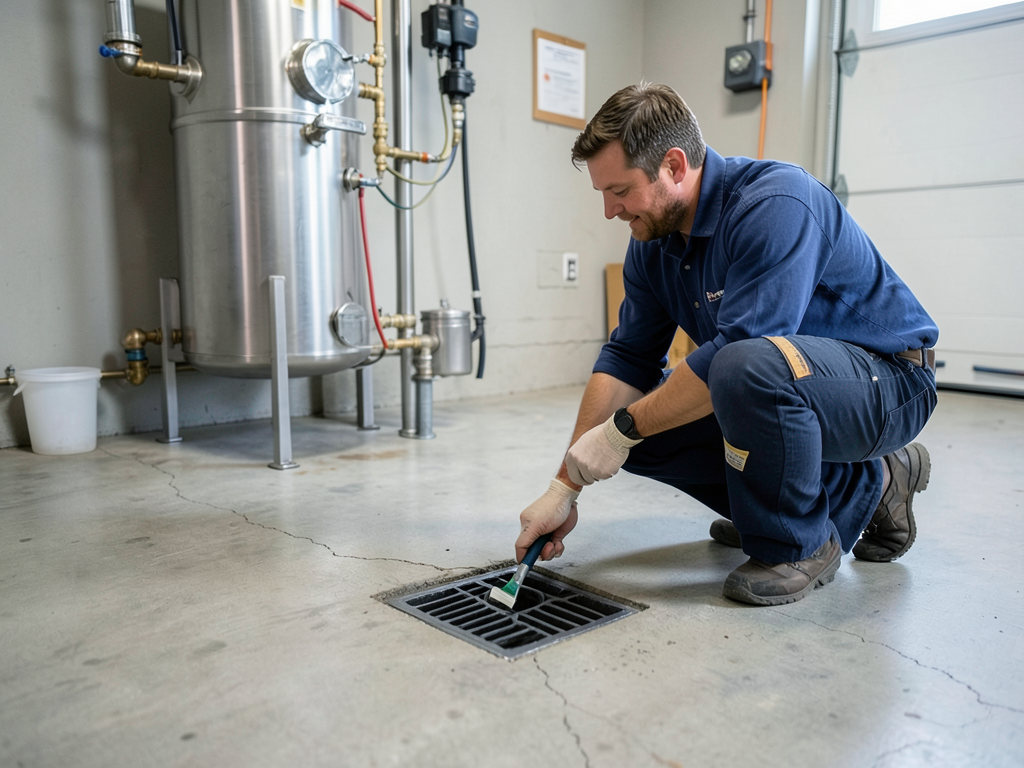
Clean floor drains quarterly to prevent clogs. Remove the strainer and use a drain brush to clear any buildup. Pour water through the trap monthly to ensure the seal remains intact.
Test your backflow preventer annually if installed. This device prevents contaminated water from flowing back into your home’s clean water supply. Many municipalities require annual testing by certified professionals.
Future Expansion Planning
Design your brewing station with future growth in mind. Many brewers start small but quickly expand their operations as skills improve and demand increases.
Oversize your drainage system initially. A 4-inch main drain accommodates future expansion better than a 2-inch line. This prevents costly rework when you upgrade to larger brewing equipment.
Install extra electrical circuits during initial construction. Running additional conduit costs little during installation but saves significant money later. Plan for future pumps, heating elements, and control systems.
Consider space for additional fermenters and storage. Many brewers underestimate the space needed for finished beer storage and aging. Design your layout to accommodate 50% more capacity than your current needs.
Plan for glycol cooling expansion. If you might add a walk-in cooler or multiple fermenters, oversize your glycol chiller and line runs initially. This prevents system bottlenecks as you expand.
Safety Considerations for Home Brewing
Brewing involves heat, gas, and chemicals that require proper safety measures. Protect yourself and your property with appropriate safety equipment and procedures.
Install carbon monoxide detectors near your brewing area if using gas burners. CO is odorless and can accumulate quickly in enclosed spaces. Test detectors monthly and replace batteries annually.
Keep a Class K fire extinguisher nearby for grease and electrical fires. Water makes grease fires worse, so never use water on burning oil or electrical equipment. Check extinguisher pressure monthly and service annually.
Use proper lifting techniques when handling heavy kettles and fermenters. A full 10-gallon kettle can weigh over 100 pounds. Consider pulley systems or electric lifts for moving heavy equipment safely.
Store cleaning chemicals properly in sealed containers away from heat sources. Many brewery cleaners are caustic and can cause chemical burns. Wear appropriate personal protective equipment when handling these chemicals.
Local Resources and Support
Oklahoma City has a growing home brewing community with resources to help you succeed. Connecting with local brewers provides valuable knowledge and support.
Join the Oklahoma Homebrewers Association for monthly meetings and educational sessions. Members share equipment, bulk order supplies, and provide feedback on brewing techniques. The association also hosts competitions where you can compare your beer against others.
Visit local homebrew supply shops in Oklahoma City for equipment and ingredients. Staff can provide specific advice for brewing in the local climate and with local water profiles. Many shops offer classes on advanced brewing techniques.
Check with the Oklahoma City Water Utilities Trust for current water quality reports. These reports help you understand seasonal variations in your brewing water and adjust treatment accordingly.
Consider taking classes at Platt College or Francis Tuttle Technology Center. These institutions offer brewing science courses that cover both the art and science of beer production.
Getting Started with Your Brewing Station
Ready to begin your brewing station project? Start with a detailed plan that addresses all the plumbing considerations we’ve covered.
Map out your space and equipment needs first. Measure your available area and sketch where each component will go. This helps identify potential conflicts and ensures adequate space for movement and cleaning.
Determine your brewing capacity goals. A 5-gallon system requires different infrastructure than a 15-gallon system. Your target batch size influences water line sizing, drainage capacity, and gas requirements.
Research local codes and permit requirements early in the planning process. This prevents costly redesigns later and ensures your installation proceeds smoothly through inspections.
Consider your budget realistically. Quality plumbing work costs more initially but prevents expensive repairs later. Factor in both material and labor costs when planning your project.
Document your installation process with photos and notes. This helps with future maintenance and provides valuable information if you sell your home or need warranty service.
Remember that a well-designed brewing station enhances your brewing experience and beer quality. The initial investment in proper plumbing pays dividends through consistent results and trouble-free operation for years to come.
Frequently Asked Questions
Do I need a permit for a home brewing station in Oklahoma City?
Yes, most plumbing modifications including floor drains, gas lines, and water lines require permits from the Oklahoma City Permitting Office. The process ensures code compliance and safety.
What size floor drain do I need for a home brewery?
A minimum 4-inch diameter floor drain is recommended for home brewing. This size handles the volume from cleaning equipment and prevents clogs from hop debris and grain particles.
Can I use PEX tubing for my brewing water lines?
Yes, PEX-A tubing works well for brewing applications. Use oxygen-barrier PEX for hot liquor tanks to prevent oxidation. PEX handles temperature swings better than copper and resists scale buildup.
How do I handle Oklahoma City’s water chemistry for brewing?
Start with water testing to determine your specific mineral content. Most OKC brewers need carbon filtration for chlorine removal, and many benefit from reverse osmosis for precise water profile control.
What ventilation is required for indoor brewing?
Install a commercial-grade exhaust hood with at least 300 CFM capacity. This removes steam and combustion byproducts. Consider makeup air supply to prevent negative pressure in your brewing space.
How much does it cost to install a professional brewing station?
Costs vary widely based on complexity. Basic setups with existing plumbing might cost $1,500-3,000, while comprehensive installations with new drainage, gas lines, and ventilation can exceed $10,000.
Should I use stainless steel or copper for brewing equipment?
304 or 316 stainless steel is preferred for brewing contact surfaces. It resists corrosion from acidic wort and cleaning chemicals better than copper and doesn’t require passivation.
How do I prevent floor drain clogs in my brewing area?
Install a removable strainer basket in your floor drain. Clean it regularly and use a drain brush quarterly to prevent buildup. Consider a larger drain if you frequently brew high-gravity beers with lots of trub.
What gas line size do I need for brewing burners?
Most home brewing setups require 3/4-inch gas lines to provide adequate BTU delivery. Calculate your total burner output plus other gas appliances to determine proper line sizing.
Can I install a brewing station in my garage without climate control?
While possible, temperature swings in Oklahoma garages affect fermentation and equipment performance. Consider insulation, ventilation, and possibly small heating/cooling to maintain stable temperatures year-round.
How often should I maintain my brewing plumbing system?
Clean brewing surfaces after each use, flush water filters every 6-12 months, inspect gas connections annually, and clean floor drains quarterly. Regular maintenance prevents costly repairs and ensures consistent results.
What safety equipment do I need for home brewing?
Install carbon monoxide detectors near gas burners, keep a Class K fire extinguisher nearby, and use proper lifting equipment for heavy kettles. Wear protective equipment when handling cleaning chemicals.
Can I expand my brewing system later if I start small?
Yes, but plan for expansion initially. Oversize your drainage and electrical systems during first installation to accommodate future growth without costly rework.
Where can I get help with my brewing station design?
Local homebrew supply shops, the Oklahoma Homebrewers Association, and professional plumbers familiar with brewing applications can provide valuable design assistance and code compliance guidance.
How do I handle wastewater from brewing in areas without floor drains?
Consider trenching through concrete for a floor drain, or install a utility sink with proper P-trap venting. Some brewers use mobile carts with contained wastewater collection for temporary setups.
Ready to Build Your Professional Brewing Station?
Setting up a dedicated brewing station requires careful planning and proper plumbing expertise. The right installation ensures safety, code compliance, and years of trouble-free brewing.
Don’t let plumbing challenges derail your brewing dreams. Our licensed Oklahoma City plumbers understand the specific requirements for home brewery installations. We handle everything from permit acquisition to final inspection, ensuring your brewing station meets all local codes.
Call (405) 507-3533 today to schedule a consultation. We’ll assess your space, discuss your brewing goals, and provide a detailed plan for your professional brewing station. Stop struggling with DIY plumbing and start enjoying consistent, high-quality beer from your properly installed brewing system.
Pick up the phone and call (405) 507-3533 before your next brew day. Your perfect pint starts with perfect plumbing.
{
“@context”: “https://schema.org”,
“@type”: “BlogPosting”,
“headline”: “Setting Up a Dedicated Brewing Station for Your OKC Garage or Shop”,
“description”: “Learn how to install proper plumbing, drainage, and ventilation for your home brewery in Oklahoma City. Meet building codes and ensure safe brewing operations.”,
“wordCount”: 3533,
“datePublished”: “2026-06-01T10:47:00.000Z”,
“dateModified”: “2026-06-01T10:47:00.000Z”,
“inLanguage”: “en-US”,
“mainEntityOfPage”: {
“@type”: “WebPage”,
“@id”: “https://atlasplumbingoklahomacity.com”
},
“publisher”: {
“@type”: “LocalBusiness”,
“name”: “Atlas Plumbing Oklahoma City”,
“url”: “https://atlasplumbingoklahomacity.com”
},
“author”: {
“@type”: “Organization”,
“name”: “Atlas Plumbing Oklahoma City”,
“url”: “https://atlasplumbingoklahomacity.com”
},
“image”: {
“@type”: “ImageObject”,
“url”: “https://atlasplumbingoklahomacity.com/wp-content/uploads/2026/03/setting-up-a-dedicated-brewing-station-for-your-ok-1.png”
}
}
{
“@context”: “https://schema.org”,
“@type”: “Plumber”,
“name”: “Atlas Plumbing Oklahoma City”,
“url”: “https://atlasplumbingoklahomacity.com”,
“address”: {
“@type”: “PostalAddress”,
“addressLocality”: “Oklahoma City”
},
“areaServed”: {
“@type”: “City”,
“name”: “Oklahoma City”
}
}
{
“@context”: “https://schema.org”,
“@type”: “FAQPage”,
“mainEntity”: [
{
“@type”: “Question”,
“name”: “Do I need a permit for a home brewing station in Oklahoma City?”,
“acceptedAnswer”: {
“@type”: “Answer”,
“text”: “Yes, most plumbing modifications including floor drains, gas lines, and water lines require permits from the Oklahoma City Permitting Office. The process ensures code compliance and safety.”
}
},
{
“@type”: “Question”,
“name”: “What size floor drain do I need for a home brewery?”,
“acceptedAnswer”: {
“@type”: “Answer”,
“text”: “A minimum 4-inch diameter floor drain is recommended for home brewing. This size handles the volume from cleaning equipment and prevents clogs from hop debris and grain particles.”
}
},
{
“@type”: “Question”,
“name”: “Can I use PEX tubing for my brewing water lines?”,
“acceptedAnswer”: {
“@type”: “Answer”,
“text”: “Yes, PEX-A tubing works well for brewing applications. Use oxygen-barrier PEX for hot liquor tanks to prevent oxidation. PEX handles temperature swings better than copper and resists scale buildup.”
}
},
{
“@type”: “Question”,
“name”: “How do I handle Oklahoma City’s water chemistry for brewing?”,
“acceptedAnswer”: {
“@type”: “Answer”,
“text”: “Start with water testing to determine your specific mineral content. Most OKC brewers need carbon filtration for chlorine removal, and many benefit from reverse osmosis for precise water profile control.”
}
},
{
“@type”: “Question”,
“name”: “What ventilation is required for indoor brewing?”,
“acceptedAnswer”: {
“@type”: “Answer”,
“text”: “Install a commercial-grade exhaust hood with at least 300 CFM capacity. This removes steam and combustion byproducts. Consider makeup air supply to prevent negative pressure in your brewing space.”
}
},
{
“@type”: “Question”,
“name”: “How much does it cost to install a professional brewing station?”,
“acceptedAnswer”: {
“@type”: “Answer”,
“text”: “Costs vary widely based on complexity. Basic setups with existing plumbing might cost $1,500-3,000, while comprehensive installations with new drainage, gas lines, and ventilation can exceed $10,000.”
}
},
{
“@type”: “Question”,
“name”: “Should I use stainless steel or copper for brewing equipment?”,
“acceptedAnswer”: {
“@type”: “Answer”,
“text”: “304 or 316 stainless steel is preferred for brewing contact surfaces. It resists corrosion from acidic wort and cleaning chemicals better than copper and doesn’t require passivation.”
}
},
{
“@type”: “Question”,
“name”: “How do I prevent floor drain clogs in my brewing area?”,
“acceptedAnswer”: {
“@type”: “Answer”,
“text”: “Install a removable strainer basket in your floor drain. Clean it regularly and use a drain brush quarterly to prevent buildup. Consider a larger drain if you frequently brew high-gravity beers with lots of trub.”
}
},
{
“@type”: “Question”,
“name”: “What gas line size do I need for brewing burners?”,
“acceptedAnswer”: {
“@type”: “Answer”,
“text”: “Most home brewing setups require 3/4-inch gas lines to provide adequate BTU delivery. Calculate your total burner output plus other gas appliances to determine proper line sizing.”
}
},
{
“@type”: “Question”,
“name”: “Can I install a brewing station in my garage without climate control?”,
“acceptedAnswer”: {
“@type”: “Answer”,
“text”: “While possible, temperature swings in Oklahoma garages affect fermentation and equipment performance. Consider insulation, ventilation, and possibly small heating/cooling to maintain stable temperatures year-round.”
}
},
{
“@type”: “Question”,
“name”: “How often should I maintain my brewing plumbing system?”,
“acceptedAnswer”: {
“@type”: “Answer”,
“text”: “Clean brewing surfaces after each use, flush water filters every 6-12 months, inspect gas connections annually, and clean floor drains quarterly. Regular maintenance prevents costly repairs and ensures consistent results.”
}
},
{
“@type”: “Question”,
“name”: “What safety equipment do I need for home brewing?”,
“acceptedAnswer”: {
“@type”: “Answer”,
“text”: “Install carbon monoxide detectors near gas burners, keep a Class K fire extinguisher nearby, and use proper lifting equipment for heavy kettles. Wear protective equipment when handling cleaning chemicals.”
}
},
{
“@type”: “Question”,
“name”: “Can I expand my brewing system later if I start small?”,
“acceptedAnswer”: {
“@type”: “Answer”,
“text”: “Yes, but plan for expansion initially. Oversize your drainage and electrical systems during first installation to accommodate future growth without costly rework.”
}
},
{
“@type”: “Question”,
“name”: “Where can I get help with my brewing station design?”,
“acceptedAnswer”: {
“@type”: “Answer”,
“text”: “Local homebrew supply shops, the Oklahoma Homebrewers Association, and professional plumbers familiar with brewing applications can provide valuable design assistance and code compliance guidance.”
}
},
{
“@type”: “Question”,
“name”: “How do I handle wastewater from brewing in areas without floor drains?”,
“acceptedAnswer”: {
“@type”: “Answer”,
“text”: “Consider trenching through concrete for a floor drain, or install a utility sink with proper P-trap venting. Some brewers use mobile carts with contained wastewater collection for temporary setups.”
}
},
{
“@type”: “Question”,
“name”: “Ready to Build Your Professional Brewing Station?”,
“acceptedAnswer”: {
“@type”: “Answer”,
“text”: “Setting up a dedicated brewing station requires careful planning and proper plumbing expertise. The right installation ensures safety, code compliance, and years of trouble-free brewing.”
}
}
]
}
{
“@context”: “https://schema.org”,
“@type”: “BreadcrumbList”,
“itemListElement”: [
{
“@type”: “ListItem”,
“position”: 1,
“name”: “Home”,
“item”: “https://atlasplumbingoklahomacity.com”
},
{
“@type”: “ListItem”,
“position”: 2,
“name”: “Blog”,
“item”: “https://atlasplumbingoklahomacity.com/blog”
},
{
“@type”: “ListItem”,
“position”: 3,
“name”: “Setting Up a Dedicated Brewing Station for Your OKC Garage or Shop”
}
]
}
{
“@context”: “https://schema.org”,
“@type”: “Service”,
“serviceType”: “Plumbing”,
“provider”: {
“@type”: “LocalBusiness”,
“name”: “Atlas Plumbing Oklahoma City”,
“url”: “https://atlasplumbingoklahomacity.com”
},
“areaServed”: {
“@type”: “City”,
“name”: “Oklahoma City”
},
“description”: “Learn how to install proper plumbing, drainage, and ventilation for your home brewery in Oklahoma City. Meet building codes and ensure safe brewing operations.”
}