Protecting Your Sewer Line From the Massive Oak Trees in Historic Nichols Hills
Massive oak trees create the charm of Nichols Hills but their roots can destroy your sewer line. Oklahoma’s red clay soil and drought cycles make this neighborhood especially vulnerable to root intrusion. Your home’s pipes face a constant battle against nature’s underground network. Oklahoma City Water Utilities Trust.
The combination of mature oak trees and shifting Oklahoma clay creates perfect conditions for root invasion. When clay soil expands and contracts it cracks older pipes. Tree roots sense moisture and nutrients leaking from these cracks. They grow into the openings and create a blockage that gets worse every year. Oklahoma Uniform Building Code Commission.
Older homes in Nichols Hills often have clay or cast iron sewer pipes. These materials crack easily under pressure. Once roots enter they grow rapidly inside the pipe. You might notice slow drains or gurgling toilets. These are early warning signs that roots have invaded your system. How to Tell if Your Oklahoma City Home Has a Slab Leak Under the Foundation.
Tree roots cause more than just clogs. They can completely collapse your sewer line. The roots expand and put pressure on pipe walls. Over time this pressure causes pipes to break apart. You could face expensive excavation and replacement if roots go unchecked.
Understanding how roots attack your pipes helps you protect your home. Roots grow toward moisture and nutrients. Your sewer line provides both. Even tiny cracks or loose joints attract roots. Once inside they create a tangled mass that catches waste and creates stubborn blockages. Clearing Stubborn Clogs With Professional Drain Cleaning in Nichols Hills.
The root invasion process happens in stages. First roots find small openings in pipe joints or cracks. Next they grow inside the pipe. Then they multiply and create dense masses. Finally they can cause pipe collapse. Early detection stops this process before major damage occurs.
How to Know if Tree Roots Have Invaded Your Pipes
Tree root problems start small but grow quickly. Learning the warning signs helps you act before expensive damage occurs. Many homeowners ignore early symptoms until they face a major backup. Why Edmond Homeowners Should Invest in a Whole House Water Softener.
Slow drains throughout your home often indicate root problems. When roots block your main sewer line every drain in the house drains slowly. You might notice toilets that flush poorly or sinks that take forever to empty. These symptoms affect multiple fixtures at once.
Gurgling sounds from drains or toilets signal trapped air. When roots create partial blockages air gets trapped in pipes. This air escapes through water creating gurgling noises. You might hear these sounds when flushing toilets or running water in sinks.
Sewage backups in your lowest drains point to serious root intrusion. When roots completely block your main line sewage has nowhere to go. It backs up through floor drains, basement toilets, or shower drains. This creates a health hazard and requires immediate attention.
Unexplained wet spots in your yard indicate leaking pipes. Tree roots cause pipes to crack and leak. The escaping water creates soggy areas in your lawn. You might notice unusually green grass or standing water near your sewer line.
Foul odors from drains suggest root blockages. When roots trap waste in your pipes decomposition creates unpleasant smells. These odors come from multiple drains and persist even after cleaning.
Why Nichols Hills Homes Face Special Risks
Nichols Hills presents unique challenges for sewer line protection. The neighborhood’s combination of mature trees, aging infrastructure, and Oklahoma soil creates perfect conditions for root invasion. Understanding these factors helps you take appropriate precautions.
Oklahoma’s red clay soil expands when wet and contracts when dry. This constant movement puts pressure on underground pipes. Clay pipes from the 1950s and 1960s cannot withstand this pressure. They develop hairline cracks that tree roots immediately exploit.
The neighborhood’s mature oak trees have extensive root systems. Oak roots can spread three times the height of the tree. A 60-foot oak might have roots extending 180 feet in all directions. These roots naturally grow toward sewer lines seeking moisture.
Many Nichols Hills homes were built before modern plumbing codes existed. Original clay sewer pipes have a lifespan of 50-60 years. Most homes in the area are now approaching or exceeding this age. Aging pipes combined with aggressive tree roots create a perfect storm.
The Oklahoma City Water Utilities Trust maintains sewer mains but homeowners are responsible for the lateral line from their home to the main. This lateral line runs under your yard and connects to the street. Any damage to this section is your financial responsibility.
According to Oklahoma Uniform Building Code Commission regulations, homeowners must maintain their sewer laterals in good working condition. Failure to address root intrusion can result in violations and fines from the city.
Professional Solutions for Root-Infested Pipes
Once roots invade your pipes you need professional solutions. DIY methods rarely solve the problem permanently. Professional plumbers use specialized equipment to remove roots and repair damage. Need a Plumber Right Now in Edmond? We Handle Burst Pipes and Clogs Fast.
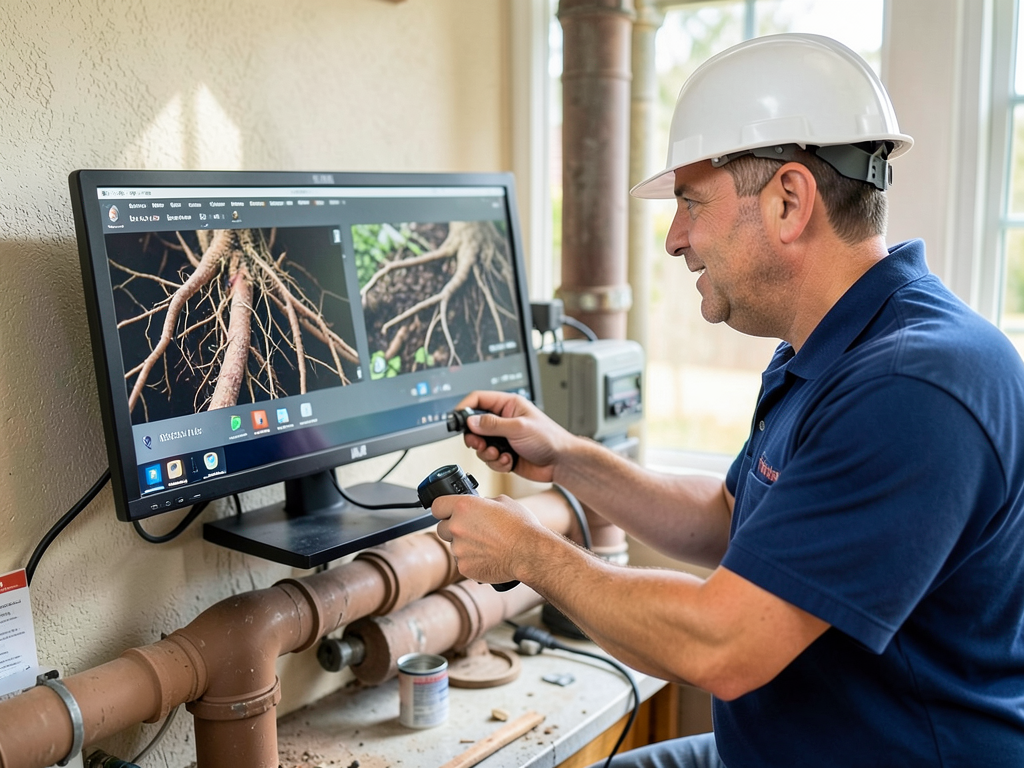
Sewer camera inspection reveals the extent of root damage. A waterproof camera travels through your pipes sending video to a monitor. Technicians can see exactly where roots enter, how extensive the growth is, and what pipe material you have. This inspection costs between $300-500 in Oklahoma City.
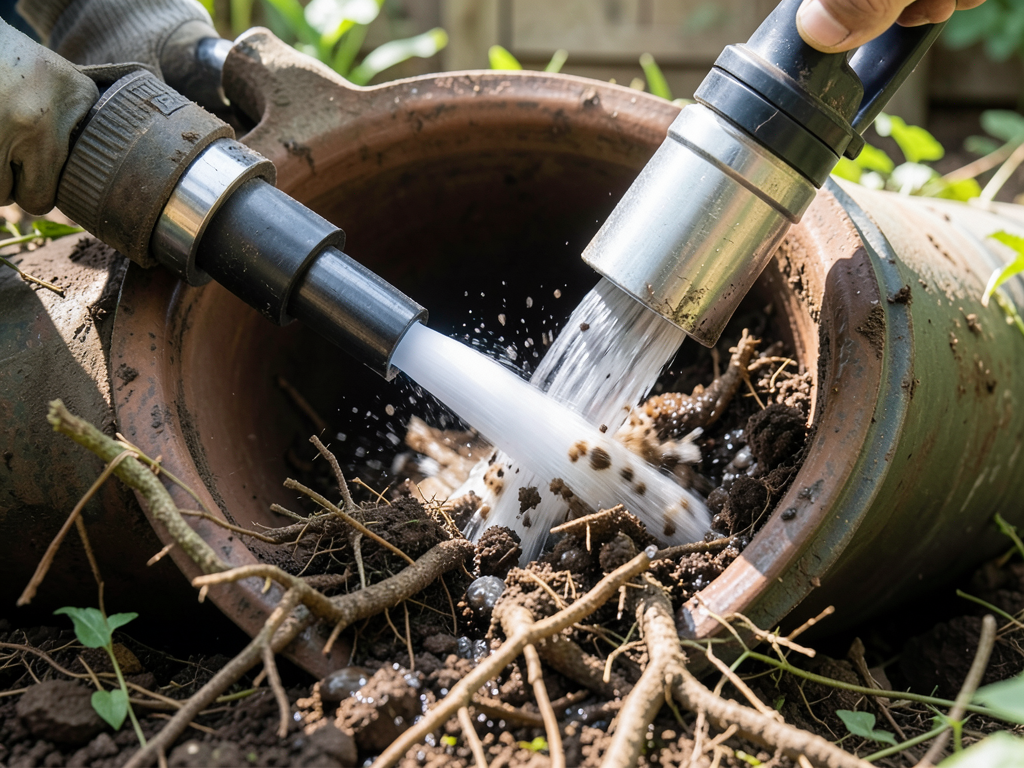
Hydro-jetting uses high-pressure water to blast roots from pipes. A specialized nozzle sprays water at pressures up to 4000 PSI. This cuts through roots like a knife through butter. The process cleans pipe walls removing grease, scale, and debris. Hydro-jetting costs $500-800 for residential lines. Powerful Hydro Jetting to Blast Through Main Line Roots in Quail Springs.
Mechanical augers cut through roots but often leave debris behind. A rotating cable with cutting blades scrapes roots from pipe walls. While effective for immediate relief, roots often grow back within months. This service typically costs $250-400.
Chemical treatments kill existing roots but don’t prevent regrowth. Copper sulfate crystals dissolve slowly releasing copper ions that poison roots. Foaming herbicides expand inside pipes coating all surfaces. These treatments cost $100-200 but require repeated applications.
Trenchless pipe lining creates a new pipe inside your old one. A felt liner coated with epoxy resin is inserted into your damaged pipe. Hot water or steam cures the resin creating a jointless pipe within a pipe. This process costs $80-120 per foot but saves landscaping.
Pipe bursting replaces your entire line without extensive digging. A bursting head breaks apart the old pipe while pulling a new pipe behind it. This method works well for collapsed pipes or when you want to increase pipe size. Costs range from $100-150 per foot.
Comparing Repair Methods for Nichols Hills Homes
| Method | Cost Range | Duration | Best For | Recovery Time |
|---|---|---|---|---|
| Hydro-jetting | $500-800 | 2-4 hours | Moderate root growth | Same day |
| Mechanical Auger | $250-400 | 1-2 hours | Emergency clearing | Same day |
| Chemical Treatment | $100-200 | 30 minutes | Prevention | Immediate |
| Trenchless Lining | $80-120/ft | 1-2 days | Moderate damage | 2-3 days |
| Pipe Bursting | $100-150/ft | 2-3 days | Severe damage | 3-5 days |
Preventing Root Intrusion in Your Nichols Hills Home
Prevention costs far less than emergency repairs. Taking proactive steps protects your sewer line from root damage. These strategies work best when implemented before problems occur.
Plant trees at safe distances from your sewer line. Small trees need 10 feet of clearance. Medium trees need 20 feet. Large trees like oaks need 30+ feet. This spacing prevents roots from reaching your pipes as trees mature.
Choose slow-growing tree species near sewer lines. Dogwoods, redbuds, and Japanese maples have less aggressive root systems. These trees provide beauty without threatening your plumbing. Avoid willows, poplars, and silver maples which seek water aggressively.
Install root barriers when planting new trees. These barriers are plastic or metal sheets buried 18-24 inches deep. They direct roots downward and away from pipes. Root barriers cost $3-5 per linear foot but save thousands in potential repairs.
Schedule annual sewer line inspections if you have mature trees. Camera inspections catch problems early when they are easier to fix. Early intervention prevents complete pipe collapse and expensive excavation.
Maintain proper moisture levels in your yard. Overwatering attracts tree roots toward your sewer line. Use drought-tolerant landscaping near your pipes. This reduces the moisture gradient that draws roots toward your plumbing.
Replace old clay pipes before they fail. Modern PVC pipes resist root intrusion better than clay. They flex slightly with soil movement instead of cracking. Replacement costs more upfront but prevents emergency repairs.
Monitor your water bill for unexplained increases. A sudden jump might indicate a leaking sewer line. Roots often enter through small leaks which grow larger over time. Early detection saves money and prevents damage.
Understanding Oklahoma’s Root Growth Cycles
Tree roots grow most actively during Oklahoma’s spring and fall seasons. Understanding these cycles helps you time maintenance and prevention efforts. Roots respond to soil temperature and moisture availability.
Spring growth begins when soil temperatures reach 55°F. This typically occurs in March or April in Oklahoma City. Roots grow rapidly seeking nutrients for new leaves and branches. This is when roots most actively seek out water sources like your sewer line.
Summer slows root growth as trees focus on leaf maintenance. However, roots still grow toward any available moisture. Your sewer line becomes especially attractive during Oklahoma’s hot, dry summers. Trees send roots long distances seeking water.
Fall triggers another growth period as trees store energy for winter. Roots grow rapidly in September and October. This secondary growth period often causes problems for homeowners who thought their pipes were safe after spring maintenance.
Winter brings minimal root growth in Oklahoma. Soil temperatures drop below 40°F which slows root activity. However, roots don’t die back. They simply pause until temperatures warm again. Any roots already in your pipes continue growing slowly year-round.
Drought conditions accelerate root growth toward sewer lines. During Oklahoma’s frequent droughts trees become desperate for water. Roots can grow several feet in a single season when water is scarce. Your pipes become a lifeline for stressed trees.
Local Regulations and Your Responsibility
Understanding local regulations helps you avoid fines and ensure proper repairs. Oklahoma City has specific rules about sewer line maintenance and repair. Homeowners must follow these regulations when addressing root problems.
The Oklahoma City Municipal Code requires homeowners to maintain their sewer laterals. This includes the pipe from your home to the sewer main in the street. You are responsible for cleaning, repairing, and replacing this section of pipe.
Permits are required for most sewer line repairs. The Oklahoma City Water Utilities Trust issues these permits. They ensure repairs meet current plumbing codes and don’t damage city infrastructure. Permit costs range from $50-200 depending on the scope of work.
Cross-connection control regulations prevent contamination of the city water supply. When repairing sewer lines you must ensure proper backflow prevention. This protects both your home and the municipal system from contamination.
Excavation in city right-of-way requires additional permits. If your sewer line repair requires digging in the street, sidewalk, or utility easement you need separate authorization. These permits cost more and require utility location services.
Insurance considerations affect your repair decisions. Many homeowner policies cover sudden, accidental damage but not gradual deterioration. Root damage often falls into a gray area. Review your policy and consider additional sewer line coverage.
Environmental regulations restrict certain chemical treatments. Copper sulfate use is regulated to prevent groundwater contamination. Professional plumbers must follow EPA guidelines when applying chemical root killers. Improper use can result in fines.
Emergency Response When Roots Cause Backups
Sewer backups require immediate action to protect your health and property. When roots cause a complete blockage sewage can enter your home causing extensive damage. Knowing how to respond minimizes the impact.
Stop using all water immediately when you notice a backup. Every flush or drain use adds more water to the blocked line. This water has nowhere to go and backs up into your home. Tell all household members to avoid using sinks, toilets, or appliances.
Locate your sewer cleanout if possible. This is usually a 3-4 inch pipe with a cap in your yard or basement. Removing the cap can sometimes relieve pressure and prevent indoor backup. However, raw sewage may flow out, so use caution.
Call a licensed plumber immediately. Emergency service calls cost more but prevent extensive damage. Most Oklahoma City plumbers offer 24/7 emergency service. The longer you wait, the worse the damage becomes.
Document damage for insurance purposes. Take photos of affected areas before cleaning up. This documentation helps with insurance claims. Many policies require prompt reporting of sewer backups.
Protect valuables in affected areas. Move furniture, electronics, and important documents to dry areas. Sewage water damages many materials permanently. Quick action can save irreplaceable items.
Consider temporary relocation if the backup is severe. Sewage contamination creates health hazards. If the backup affects multiple rooms or your entire home, staying elsewhere might be safer until repairs complete.
Follow proper cleanup procedures after repairs. Sewage water contains harmful bacteria. Professional cleanup might be necessary. Wear protective gear if you clean up yourself. Disinfect all affected surfaces thoroughly.
Choosing the Right Plumber for Root Problems
Not all plumbers have experience with root-infested pipes. Choosing the right professional ensures the job gets done correctly. Look for specific qualifications and experience with your type of problem.
Verify Oklahoma state licensing. All plumbers must be licensed by the Oklahoma Construction Industries Board. Ask for license numbers and verify them online. Unlicensed work can void warranties and cause insurance problems.
Check for specific experience with root removal. Ask how many similar jobs they’ve completed in Nichols Hills. Experience with your specific pipe material matters. Clay pipe repair requires different techniques than PVC or cast iron.
Request camera inspection before committing to repairs. Any reputable plumber should offer this service. The inspection shows exactly what’s wrong and helps you make informed decisions. Avoid companies that quote prices without seeing the problem.
Ask about warranty coverage. Quality companies stand behind their work with written warranties. Root removal should have at least a one-year warranty. Trenchless repairs often carry longer warranties of 5-10 years.
Get multiple estimates for major repairs. Prices vary significantly between companies. However, the cheapest option isn’t always best. Consider experience, warranty, and equipment quality when comparing estimates.
Read reviews specifically about root problems. General plumbing reviews don’t tell you about experience with your specific issue. Look for reviews mentioning sewer line repair, root removal, or camera inspections.
Ask about cleanup procedures. Root removal and pipe repair can be messy. Professional companies protect your property and clean up thoroughly. This attention to detail shows overall quality and respect for your home.
Cost Factors for Root Damage Repairs
Repair costs vary based on several factors. Understanding these variables helps you budget appropriately. While every situation differs, knowing typical cost ranges prepares you for the expense.
Access difficulty significantly affects pricing. Pipes under concrete slabs or finished basements cost more to repair than those in accessible areas. Excavation through landscaping or hardscaping adds substantial expense.
Pipe material influences repair methods and costs. Clay pipes often require complete replacement. PVC pipes might only need spot repairs. Cast iron pipes might need lining or bursting. Each material has different repair economics.
Damage extent determines the repair approach. Minor root intrusion might only need hydro-jetting. Complete collapse requires full replacement. The difference in cost can be thousands of dollars.
Emergency service premiums apply for after-hours calls. Weekend and holiday service typically costs 1.5-2 times normal rates. While expensive, emergency service prevents worse damage.
Permit fees add to your total cost. Most repairs over $500 require permits. Factor $50-200 for permits depending on your location and repair scope.
Landscaping restoration isn’t always included in repair quotes. If excavation damages your lawn or garden, you’ll need to restore it. This can cost hundreds to thousands depending on the extent of damage.
Camera inspection fees might be waived if you proceed with repairs. Many companies offer free inspections with repair work. However, stand-alone inspections typically cost $300-500.
Payment options vary by company. Some offer financing for major repairs. Others expect immediate payment. Ask about payment terms before work begins to avoid surprises.
Long-term Protection Strategies
After addressing immediate root problems, implement long-term protection strategies. These measures prevent future issues and extend the life of your sewer system. Think of this as an ongoing maintenance program.
Establish a regular inspection schedule. Annual camera inspections catch problems when they are small. This preventative approach costs less than emergency repairs. Most homeowners find quarterly inspections unnecessary unless problems persist.
Maintain your landscape with your pipes in mind. When adding new plants, consider their mature size and root habits. Keep aggressive trees far from your sewer line. Choose plants that complement your plumbing infrastructure.
Monitor your yard for warning signs. Unusual wet spots, extra-green grass, or sinkholes near your sewer line indicate problems. Early detection allows for simple fixes before major damage occurs.
Educate household members about what goes down drains. Grease, wipes, and other materials create blockages that roots exploit. Proper drain use reduces the likelihood of root intrusion.
Consider pipe lining for older systems. This preventative measure strengthens existing pipes and prevents root intrusion. While expensive upfront, it often costs less than emergency repairs plus cleanup.
Document your plumbing system. Know where your sewer line runs and what material it contains. This information helps plumbers diagnose problems quickly and recommend appropriate solutions.
Budget for eventual replacement. Even with excellent maintenance, sewer lines eventually need replacement. Setting aside money monthly for this inevitable expense prevents financial stress when problems arise.
Build relationships with qualified plumbers. Having a trusted professional who knows your system makes problem resolution faster and easier. They can spot potential issues during routine visits.
Frequently Asked Questions
How do I know if tree roots are causing my sewer problems?
Slow drains throughout your home, gurgling toilets, sewage backups in lower drains, and unexplained wet spots in your yard all indicate possible root intrusion. A professional camera inspection provides definitive diagnosis.
Can I use chemical root killers myself?
While copper sulfate is available to homeowners, improper use can damage pipes and contaminate groundwater. Professional application ensures proper dosage and environmental protection. Some chemicals are restricted by Oklahoma regulations.
How often should I have my sewer line inspected?
Annual inspections are recommended if you have mature trees near your sewer line. More frequent inspections might be necessary if you’ve had previous problems or notice warning signs like slow drains.
Will cutting down the tree solve my root problem?
No. Tree roots can continue growing for years after a tree is removed. The roots remain alive seeking moisture until they naturally decay, which can take 5-10 years. Professional removal and pipe repair is necessary.
How long does trenchless pipe repair last?
Quality trenchless lining typically carries a 10-year warranty and can last 50+ years. The epoxy creates a new pipe within your old one that resists root intrusion and corrosion better than the original material.
Is sewer line repair covered by homeowners insurance?
Coverage varies by policy. Sudden damage might be covered, but gradual deterioration from roots is often excluded. Review your policy and consider adding sewer line backup coverage for comprehensive protection.
How much does it cost to repair root damage?
Costs range from $500 for simple hydro-jetting to $10,000+ for complete replacement. The average repair in Nichols Hills costs $3,000-5,000 depending on access difficulty and damage extent.
Can I prevent roots from entering my pipes?
You cannot completely prevent root intrusion, but you can minimize risk through proper tree selection, safe planting distances, root barriers, and regular maintenance. Modern pipe materials also resist root penetration better than older materials.
Protecting your sewer line from tree roots requires vigilance and timely action. The mature oaks that make Nichols Hills beautiful can threaten your plumbing. Understanding the risks and taking preventative measures saves you from costly emergency repairs.
Early warning signs like slow drains and gurgling toilets should never be ignored. These symptoms indicate developing problems that worsen over time. Professional inspection and appropriate treatment can resolve issues before they cause major damage.
Modern repair methods like hydro-jetting and trenchless lining offer effective solutions without extensive excavation. These techniques preserve your landscaping while solving the root problem permanently. The investment in professional service pays dividends in prevented damage.
Remember that as a homeowner in Nichols Hills you are responsible for maintaining your sewer lateral. Taking proactive steps protects your property and prevents violations of local codes. Regular maintenance costs far less than emergency repairs.
When you notice signs of root intrusion don’t wait for a complete backup. Call (405) 507-3533 today to schedule your professional inspection. Our licensed plumbers have years of experience solving root problems in Nichols Hills homes. We use state-of-the-art camera equipment to diagnose issues accurately and recommend the most cost-effective solutions.
Pick up the phone and call (405) 507-3533 before the next storm hits. Oklahoma’s clay soil and mature trees wait for no one. Protect your home and your peace of mind with professional root management services from your local plumbing experts.
Don’t let tree roots destroy your sewer line and damage your home. Take action now to protect your investment and maintain the comfort of your Nichols Hills home. We’re here to help with emergency service, preventative maintenance, and complete repairs when you need them most.
Your sewer line is too important to leave to chance. Trust the professionals who understand Nichols Hills’ unique challenges. Call (405) 507-3533 and let us solve your root problems before they solve you.
{
“@context”: “https://schema.org”,
“@type”: “BlogPosting”,
“headline”: “Protecting Your Sewer Line From the Massive Oak Trees in Historic Nichols Hills”,
“description”: “Massive oak trees in Nichols Hills threaten clay sewer lines. Learn how Oklahoma’s red clay and tree roots cause damage. Call (405) 507-3533 for professional inspection.”,
“wordCount”: 3611,
“datePublished”: “2026-06-04T15:32:00.000Z”,
“dateModified”: “2026-06-04T15:32:00.000Z”,
“inLanguage”: “en-US”,
“mainEntityOfPage”: {
“@type”: “WebPage”,
“@id”: “https://atlasplumbingoklahomacity.com”
},
“publisher”: {
“@type”: “LocalBusiness”,
“name”: “Atlas Plumbing Oklahoma City”,
“url”: “https://atlasplumbingoklahomacity.com”
},
“author”: {
“@type”: “Organization”,
“name”: “Atlas Plumbing Oklahoma City”,
“url”: “https://atlasplumbingoklahomacity.com”
},
“image”: {
“@type”: “ImageObject”,
“url”: “https://atlasplumbingoklahomacity.com/wp-content/uploads/2026/03/protecting-your-sewer-line-from-the-massive-oak-tr-1.png”
}
}
{
“@context”: “https://schema.org”,
“@type”: “Plumber”,
“name”: “Atlas Plumbing Oklahoma City”,
“url”: “https://atlasplumbingoklahomacity.com”,
“address”: {
“@type”: “PostalAddress”,
“addressLocality”: “Oklahoma City”
},
“areaServed”: {
“@type”: “City”,
“name”: “Oklahoma City”
}
}
{
“@context”: “https://schema.org”,
“@type”: “FAQPage”,
“mainEntity”: [
{
“@type”: “Question”,
“name”: “How do I know if tree roots are causing my sewer problems?”,
“acceptedAnswer”: {
“@type”: “Answer”,
“text”: “Slow drains throughout your home, gurgling toilets, sewage backups in lower drains, and unexplained wet spots in your yard all indicate possible root intrusion. A professional camera inspection provides definitive diagnosis.”
}
},
{
“@type”: “Question”,
“name”: “Can I use chemical root killers myself?”,
“acceptedAnswer”: {
“@type”: “Answer”,
“text”: “While copper sulfate is available to homeowners, improper use can damage pipes and contaminate groundwater. Professional application ensures proper dosage and environmental protection. Some chemicals are restricted by Oklahoma regulations.”
}
},
{
“@type”: “Question”,
“name”: “How often should I have my sewer line inspected?”,
“acceptedAnswer”: {
“@type”: “Answer”,
“text”: “Annual inspections are recommended if you have mature trees near your sewer line. More frequent inspections might be necessary if you’ve had previous problems or notice warning signs like slow drains.”
}
},
{
“@type”: “Question”,
“name”: “Will cutting down the tree solve my root problem?”,
“acceptedAnswer”: {
“@type”: “Answer”,
“text”: “No. Tree roots can continue growing for years after a tree is removed. The roots remain alive seeking moisture until they naturally decay, which can take 5-10 years. Professional removal and pipe repair is necessary.”
}
},
{
“@type”: “Question”,
“name”: “How long does trenchless pipe repair last?”,
“acceptedAnswer”: {
“@type”: “Answer”,
“text”: “Quality trenchless lining typically carries a 10-year warranty and can last 50+ years. The epoxy creates a new pipe within your old one that resists root intrusion and corrosion better than the original material.”
}
},
{
“@type”: “Question”,
“name”: “Is sewer line repair covered by homeowners insurance?”,
“acceptedAnswer”: {
“@type”: “Answer”,
“text”: “Coverage varies by policy. Sudden damage might be covered, but gradual deterioration from roots is often excluded. Review your policy and consider adding sewer line backup coverage for comprehensive protection.”
}
},
{
“@type”: “Question”,
“name”: “How much does it cost to repair root damage?”,
“acceptedAnswer”: {
“@type”: “Answer”,
“text”: “Costs range from $500 for simple hydro-jetting to $10,000+ for complete replacement. The average repair in Nichols Hills costs $3,000-5,000 depending on access difficulty and damage extent.”
}
},
{
“@type”: “Question”,
“name”: “Can I prevent roots from entering my pipes?”,
“acceptedAnswer”: {
“@type”: “Answer”,
“text”: “You cannot completely prevent root intrusion, but you can minimize risk through proper tree selection, safe planting distances, root barriers, and regular maintenance. Modern pipe materials also resist root penetration better than older materials.”
}
}
]
}
{
“@context”: “https://schema.org”,
“@type”: “BreadcrumbList”,
“itemListElement”: [
{
“@type”: “ListItem”,
“position”: 1,
“name”: “Home”,
“item”: “https://atlasplumbingoklahomacity.com”
},
{
“@type”: “ListItem”,
“position”: 2,
“name”: “Blog”,
“item”: “https://atlasplumbingoklahomacity.com/blog”
},
{
“@type”: “ListItem”,
“position”: 3,
“name”: “Protecting Your Sewer Line From the Massive Oak Trees in Historic Nichols Hills”
}
]
}
{
“@context”: “https://schema.org”,
“@type”: “Service”,
“serviceType”: “Plumbing”,
“provider”: {
“@type”: “LocalBusiness”,
“name”: “Atlas Plumbing Oklahoma City”,
“url”: “https://atlasplumbingoklahomacity.com”
},
“areaServed”: {
“@type”: “City”,
“name”: “Oklahoma City”
},
“description”: “Massive oak trees in Nichols Hills threaten clay sewer lines. Learn how Oklahoma’s red clay and tree roots cause damage. Call (405) 507-3533 for professional inspection.”
}