
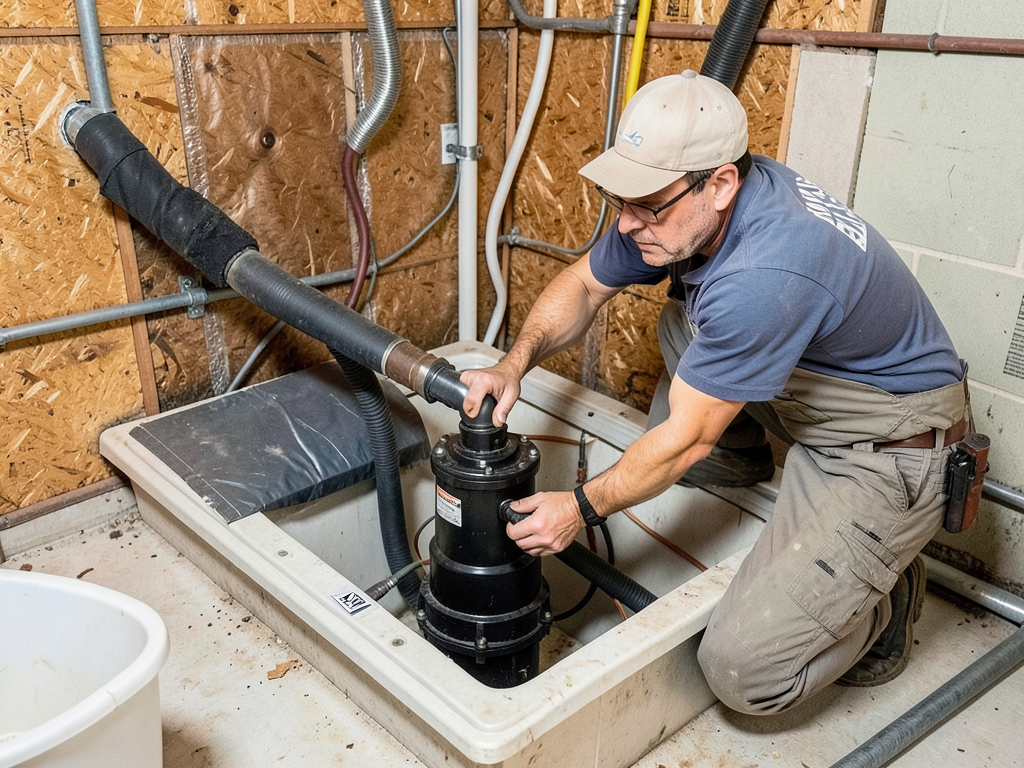
Keep Your OKC Basement Dry With a High Quality Sump Pump Installation
Oklahoma City’s clay-heavy soil and unpredictable storm patterns create a perfect storm for basement flooding. When heavy rains hit, water tables rise quickly around your home’s foundation. A properly installed sump pump system acts as your first line of defense against water damage, mold growth, and costly foundation repairs. Oklahoma City Water Utilities Trust.
Atlas Plumbing installs high-quality sump pumps designed specifically for Oklahoma’s unique conditions. Our systems handle the sudden influx of water during spring thunderstorms and keep your basement dry year-round. We serve homeowners throughout Oklahoma City, Edmond, and Choctaw with 24/7 emergency service available. Plumbing Edmond.
Why Your Oklahoma City Home Needs a Reliable Sump Pump
Oklahoma City’s location creates specific challenges for basement water management. The region receives an average of 36 inches of rainfall annually, with most falling during intense spring storms. Our red clay soil expands when wet and contracts when dry, creating pressure against foundation walls that can crack over time. No Hot Water Diagnosis.
Water follows the path of least resistance. When the water table rises above your basement floor level, it seeks entry through any available crack or seam. A sump pump system collects this water in a pit and automatically pumps it away from your foundation before it can cause damage.
Without proper drainage, even a small basement can collect hundreds of gallons of water during a single storm. This creates conditions perfect for mold growth, which can begin within 24-48 hours of water exposure. The musty smell alone can permeate your entire home and reduce indoor air quality.
Older homes in neighborhoods like The Village and Nichols Hills often lack proper drainage systems. Many were built before modern building codes required sump pumps in areas with high water tables. These homes face the greatest risk of water damage during Oklahoma’s storm season.
Modern sump pump systems include features that protect against common failure points. Check valves prevent water from flowing back into the pit after pumping. Sealed lids reduce humidity and prevent debris from falling into the system. Battery backup systems keep your pump running during power outages when you need it most.
Our Sump Pump Installation & Replacement Process
Professional sump pump installation requires careful planning and precise execution. Our process begins with a thorough assessment of your basement’s layout and water entry points. We identify the lowest point where water naturally collects and determine the optimal location for the sump pit.
Excavation starts by cutting a hole in your basement floor, typically 18-24 inches wide and deep enough to accommodate the sump basin. We remove the concrete and soil to create a stable pit that won’t collapse under pressure. The bottom gets lined with gravel for proper drainage.
Next we install the sump basin, a perforated plastic container that allows groundwater to flow in while keeping out larger debris. The basin sits on a bed of gravel and gets surrounded by additional gravel to create a drainage field. This prevents the basin from floating when water levels rise.
The pump mounts inside the basin on a stable platform. We connect the discharge pipe, which carries water from the pump to the outside of your home. The pipe routes through a wall or floor and extends at least 10 feet away from your foundation to prevent water from simply flowing back.
Installation includes a check valve to prevent backflow and a sealed cover to reduce humidity. We test the entire system by filling the basin with water and verifying that the pump activates at the correct level. The final step involves patching the concrete around the basin for a clean, finished appearance.
Replacement follows a similar process but requires careful removal of the old system. We evaluate whether your existing basin needs replacement or if the pump itself failed. Often we discover that older systems lacked proper check valves or had undersized discharge pipes that limited performance.
Types of Sump Pumps We Install (Submersible vs. Pedestal)
Choosing the right sump pump depends on your basement’s specific needs and your budget. We install both submersible and pedestal models, each with distinct advantages for Oklahoma City homes.
Submersible pumps operate underwater inside the sump basin. The motor sits in a sealed housing that protects it from moisture. These pumps run quieter since the water muffles motor noise. They also handle debris better because the intake sits directly in the water rather than drawing from above.
Pedestal pumps mount above the water level on a column that extends into the basin. The motor stays dry while the impeller sits below water level. These pumps cost less initially and provide easier access for maintenance since the motor sits above the basin. However, they run louder and may struggle with debris.
Submersible pumps typically handle 1/3 to 1/2 horsepower, sufficient for most residential applications. They move 2,000 to 4,000 gallons per hour, enough to handle Oklahoma’s intense rainfall. Pedestal pumps often max out around 1/3 horsepower and move 1,500 to 2,500 gallons per hour.
Installation costs differ between types. Submersible pumps require more precise installation since the motor must stay sealed. Pedestal pumps install more quickly but may need more frequent maintenance due to exposed components. Both types need proper sizing based on your basement’s square footage and local water table depth.
We recommend submersible pumps for finished basements where noise matters and for homes in areas with frequent heavy rainfall. Pedestal pumps work well for unfinished basements or as backup systems where cost matters more than quiet operation.
Battery Backup Systems: Protecting Your OKC Home During Storms
Oklahoma’s severe weather often knocks out power right when you need your sump pump most. Thunderstorms can cause simultaneous heavy rainfall and power outages, creating the perfect conditions for basement flooding. Battery backup systems provide critical protection during these vulnerable moments.
A battery backup system includes a secondary pump, a battery, and a control panel. The backup pump mounts beside your primary pump in the same basin. It activates automatically when the primary pump fails or when water levels rise faster than the primary can handle.
The battery typically provides 24-48 hours of continuous operation depending on the pump’s workload. During a major storm, this gives you time for power to be restored or for you to arrange emergency pumping. The control panel monitors battery voltage and alerts you when charging is needed. 24/7 Emergency Plumbing Services.
Installation requires careful integration with your existing system. The backup pump needs its own discharge pipe to prevent interference with the primary system. The battery mounts in a ventilated enclosure to prevent gas buildup. We install the control panel where you can easily monitor system status.
Modern battery backup systems include smart features that send alerts to your phone when problems occur. You’ll know immediately if the primary pump fails, if water levels rise unusually high, or if the battery needs charging. This early warning can prevent minor issues from becoming major floods.
The cost of battery backup installation pays for itself the first time it prevents flood damage. Water damage repairs often cost thousands of dollars, while a quality backup system costs a fraction of that amount. For finished basements or homes with valuable stored items, this protection is essential. Industrial Pipe Repair.
How Much Does Sump Pump Installation Cost in Oklahoma City?
Sump pump installation costs vary based on several factors specific to your home and situation. Primary pump installation typically ranges from $800 to $2,500 depending on the pump type, basin requirements, and discharge routing complexity.
Submersible pump installation costs more upfront, usually $1,200 to $2,500, but provides better performance and quieter operation. Pedestal pump installation runs $800 to $1,500 and works well for basic applications where noise isn’t a concern.
Battery backup systems add $800 to $1,500 to the total cost. This includes the backup pump, battery, control panel, and integration with your existing system. The battery itself needs replacement every 3-5 years at a cost of $150 to $300.
Replacement costs depend on whether you need a new basin. If your existing basin is in good condition, pump replacement runs $400 to $800. If the basin also needs replacement, costs align with new installation.
Several factors affect pricing. Homes with finished basements require more careful work to protect flooring and walls. Basements with limited access or unusual layouts need more labor time. Discharge routing through finished spaces costs more than routing through unfinished areas.
Permits from the Oklahoma City Water Utilities Trust add $50 to $150 to the total cost. These permits ensure your discharge complies with local codes and doesn’t create problems for neighboring properties. We handle all permit requirements as part of our service.
Emergency installations during active flooding cost more due to after-hours labor rates and the urgency of the work. Planning ahead during dry weather saves money and reduces stress during storm season.
Frequently Asked Questions
How long do sump pumps typically last?
Quality sump pumps last 7-10 years with proper maintenance. The motor bearings wear over time, and the impeller can become clogged with debris. Regular testing helps identify failing pumps before they cause problems.
Can I install a sump pump myself?
DIY installation is possible but risky. Professional installation ensures proper sizing, correct discharge routing, and compliance with local codes. Mistakes can lead to pump failure when you need it most or create new problems like foundation erosion.
How often should I test my sump pump?
Test your pump every three months by pouring water into the basin until the float activates the pump. Test more frequently during storm season or after heavy rains. Listen for unusual noises that might indicate bearing wear or impeller damage.
What size sump pump do I need?
Pump size depends on your basement’s square footage and local water table depth. Most homes need 1/3 to 1/2 horsepower pumps that move 2,000 to 4,000 gallons per hour. We calculate the exact size needed based on your specific conditions.
Does a sump pump increase my home’s value?
A properly installed sump pump system can increase home value by providing buyers peace of mind about water damage. It’s especially valuable in Oklahoma City where flooding concerns are common. The system demonstrates proactive maintenance and can prevent costly foundation repairs.
What maintenance does a sump pump need?
Annual maintenance includes cleaning the basin, testing the float switch, checking the discharge pipe for clogs, and verifying the check valve works properly. Battery backup systems need battery testing and replacement every 3-5 years.
Will my homeowner’s insurance cover sump pump failure?
Standard policies often exclude sump pump failure unless you have specific water backup coverage. This coverage typically costs $50 to $100 per year and covers damage from pump failure, clogged discharge pipes, or overwhelmed systems during heavy rains.
How do I know if I need a sump pump?
Signs you need a sump pump include water stains on basement walls, musty odors, white mineral deposits on concrete, or previous flooding incidents. Homes in low-lying areas or near bodies of water almost always benefit from sump pump systems.
Can a sump pump handle sewage?
Standard sump pumps cannot handle sewage. If you have sewage backup issues, you need an ejector pump system designed for solid waste. Mixing sewage with a standard sump pump creates health hazards and system damage.
What happens if my sump pump runs continuously?
Continuous operation indicates a problem. The float switch might be stuck, the check valve might be failing, or groundwater might be rising faster than the pump can handle. Continuous operation wears out pumps quickly and increases electricity costs.
Do I need a permit for sump pump installation?
Oklahoma City requires permits for sump pump installation to ensure proper discharge and prevent water from flowing onto neighboring properties. The permit process includes inspection to verify code compliance. We handle all permitting as part of our service.
How loud are sump pumps?
Submersible pumps operate at 40-50 decibels, similar to a refrigerator hum. Pedestal pumps run louder at 60-70 decibels, comparable to normal conversation. The noise occurs when the pump activates, typically every few minutes during heavy rain.
Can I connect my sump pump to the sewer line?
Connecting sump pumps to sewer lines is illegal in most areas because it contributes to sewer overflows during heavy rains. Discharge must go to the exterior of your home, at least 10 feet from the foundation. We ensure all installations comply with local codes.
What’s the difference between a sump pump and a French drain?
A French drain collects water along a basement perimeter and channels it to a sump pump. The sump pump then pumps the water outside. French drains work with sump pumps, not as replacements. Together they provide comprehensive basement waterproofing.
How do I prepare my sump pump for storm season?
Before storm season, test your pump, clean the basin, check the discharge pipe for obstructions, and verify the battery backup is charged. Consider professional inspection to identify potential problems before heavy rains arrive.
Can sump pumps freeze in winter?
In Oklahoma’s mild winters, freezing rarely affects indoor sump pumps. However, discharge pipes can freeze if they run along exterior walls. We install heat tape or bury discharge pipes below frost line in areas prone to freezing.
Protect Your Oklahoma City Home Today
Don’t wait for the next Oklahoma thunderstorm to discover your basement’s vulnerability to flooding. A properly installed sump pump system provides peace of mind and protects your home’s value. Atlas Plumbing offers free consultations to assess your basement’s specific needs and recommend the right solution. Plumbing Services.
Our licensed plumbers understand Oklahoma City’s unique challenges. We know how our clay soil behaves during heavy rains and how to design systems that handle our intense storm patterns. Every installation includes proper permitting, professional workmanship, and thorough testing.
We serve all of Oklahoma City including Edmond, Choctaw, Nichols Hills, The Village, and surrounding areas. Our 24/7 emergency service means we’re there when you need us most, whether you’re dealing with an active flood or planning preventive installation.
Call (405) 507-3533 today to schedule your sump pump consultation. Our team will evaluate your basement, explain your options, and provide a clear quote with no hidden fees. Protect your home before the next storm hits.
Pick up the phone and call (405) 507-3533 before the next storm hits. Don’t let water damage destroy your basement and your peace of mind. Atlas Plumbing is ready to keep your Oklahoma City home dry year-round.
Need emergency plumbing help in Edmond? We handle burst pipes and clogs fast. Our rapid response team serves all of Oklahoma City and surrounding areas.
Atlas Plumbing combines technical expertise with local knowledge to provide the best sump pump installation in Oklahoma City. We’re not just installing equipment; we’re protecting your home and your family’s belongings from water damage. For more information, visit FEMA flood protection guidelines.
{
“@context”: “https://schema.org”,
“@type”: “BlogPosting”,
“headline”: “Keep Your OKC Basement Dry With a High Quality Sump Pump Installation”,
“description”: “Protect your Oklahoma City basement from flooding with professional sump pump installation. Atlas Plumbing offers reliable service across OKC, Edmond, and Choctaw.”,
“wordCount”: 2496,
“datePublished”: “2026-02-16T10:23:00.000Z”,
“dateModified”: “2026-02-16T10:23:00.000Z”,
“inLanguage”: “en-US”,
“mainEntityOfPage”: {
“@type”: “WebPage”,
“@id”: “https://atlasplumbingoklahomacity.com”
},
“publisher”: {
“@type”: “LocalBusiness”,
“name”: “Atlas Plumbing Oklahoma City”,
“url”: “https://atlasplumbingoklahomacity.com”
},
“author”: {
“@type”: “Organization”,
“name”: “Atlas Plumbing Oklahoma City”,
“url”: “https://atlasplumbingoklahomacity.com”
},
“image”: {
“@type”: “ImageObject”,
“url”: “https://atlasplumbingoklahomacity.com/wp-content/uploads/2026/03/keep-your-okc-basement-dry-with-a-high-quality-sum-1.png”
}
}
{
“@context”: “https://schema.org”,
“@type”: “Plumber”,
“name”: “Atlas Plumbing Oklahoma City”,
“url”: “https://atlasplumbingoklahomacity.com”,
“address”: {
“@type”: “PostalAddress”,
“addressLocality”: “Oklahoma City”
},
“areaServed”: {
“@type”: “City”,
“name”: “Oklahoma City”
}
}
{
“@context”: “https://schema.org”,
“@type”: “FAQPage”,
“mainEntity”: [
{
“@type”: “Question”,
“name”: “How Much Does Sump Pump Installation Cost in Oklahoma City?”,
“acceptedAnswer”: {
“@type”: “Answer”,
“text”: “Sump pump installation costs vary based on several factors specific to your home and situation. Primary pump installation typically ranges from $800 to $2,500 depending on the pump type, basin requirements, and discharge routing complexity.”
}
},
{
“@type”: “Question”,
“name”: “How long do sump pumps typically last?”,
“acceptedAnswer”: {
“@type”: “Answer”,
“text”: “Quality sump pumps last 7-10 years with proper maintenance. The motor bearings wear over time, and the impeller can become clogged with debris. Regular testing helps identify failing pumps before they cause problems.”
}
},
{
“@type”: “Question”,
“name”: “Can I install a sump pump myself?”,
“acceptedAnswer”: {
“@type”: “Answer”,
“text”: “DIY installation is possible but risky. Professional installation ensures proper sizing, correct discharge routing, and compliance with local codes. Mistakes can lead to pump failure when you need it most or create new problems like foundation erosion.”
}
},
{
“@type”: “Question”,
“name”: “How often should I test my sump pump?”,
“acceptedAnswer”: {
“@type”: “Answer”,
“text”: “Test your pump every three months by pouring water into the basin until the float activates the pump. Test more frequently during storm season or after heavy rains. Listen for unusual noises that might indicate bearing wear or impeller damage.”
}
},
{
“@type”: “Question”,
“name”: “What size sump pump do I need?”,
“acceptedAnswer”: {
“@type”: “Answer”,
“text”: “Pump size depends on your basement’s square footage and local water table depth. Most homes need 1/3 to 1/2 horsepower pumps that move 2,000 to 4,000 gallons per hour. We calculate the exact size needed based on your specific conditions.”
}
},
{
“@type”: “Question”,
“name”: “Does a sump pump increase my home’s value?”,
“acceptedAnswer”: {
“@type”: “Answer”,
“text”: “A properly installed sump pump system can increase home value by providing buyers peace of mind about water damage. It’s especially valuable in Oklahoma City where flooding concerns are common. The system demonstrates proactive maintenance and can prevent costly foundation repairs.”
}
},
{
“@type”: “Question”,
“name”: “What maintenance does a sump pump need?”,
“acceptedAnswer”: {
“@type”: “Answer”,
“text”: “Annual maintenance includes cleaning the basin, testing the float switch, checking the discharge pipe for clogs, and verifying the check valve works properly. Battery backup systems need battery testing and replacement every 3-5 years.”
}
},
{
“@type”: “Question”,
“name”: “Will my homeowner’s insurance cover sump pump failure?”,
“acceptedAnswer”: {
“@type”: “Answer”,
“text”: “Standard policies often exclude sump pump failure unless you have specific water backup coverage. This coverage typically costs $50 to $100 per year and covers damage from pump failure, clogged discharge pipes, or overwhelmed systems during heavy rains.”
}
},
{
“@type”: “Question”,
“name”: “How do I know if I need a sump pump?”,
“acceptedAnswer”: {
“@type”: “Answer”,
“text”: “Signs you need a sump pump include water stains on basement walls, musty odors, white mineral deposits on concrete, or previous flooding incidents. Homes in low-lying areas or near bodies of water almost always benefit from sump pump systems.”
}
},
{
“@type”: “Question”,
“name”: “Can a sump pump handle sewage?”,
“acceptedAnswer”: {
“@type”: “Answer”,
“text”: “Standard sump pumps cannot handle sewage. If you have sewage backup issues, you need an ejector pump system designed for solid waste. Mixing sewage with a standard sump pump creates health hazards and system damage.”
}
},
{
“@type”: “Question”,
“name”: “What happens if my sump pump runs continuously?”,
“acceptedAnswer”: {
“@type”: “Answer”,
“text”: “Continuous operation indicates a problem. The float switch might be stuck, the check valve might be failing, or groundwater might be rising faster than the pump can handle. Continuous operation wears out pumps quickly and increases electricity costs.”
}
},
{
“@type”: “Question”,
“name”: “Do I need a permit for sump pump installation?”,
“acceptedAnswer”: {
“@type”: “Answer”,
“text”: “Oklahoma City requires permits for sump pump installation to ensure proper discharge and prevent water from flowing onto neighboring properties. The permit process includes inspection to verify code compliance. We handle all permitting as part of our service.”
}
},
{
“@type”: “Question”,
“name”: “How loud are sump pumps?”,
“acceptedAnswer”: {
“@type”: “Answer”,
“text”: “Submersible pumps operate at 40-50 decibels, similar to a refrigerator hum. Pedestal pumps run louder at 60-70 decibels, comparable to normal conversation. The noise occurs when the pump activates, typically every few minutes during heavy rain.”
}
},
{
“@type”: “Question”,
“name”: “Can I connect my sump pump to the sewer line?”,
“acceptedAnswer”: {
“@type”: “Answer”,
“text”: “Connecting sump pumps to sewer lines is illegal in most areas because it contributes to sewer overflows during heavy rains. Discharge must go to the exterior of your home, at least 10 feet from the foundation. We ensure all installations comply with local codes.”
}
},
{
“@type”: “Question”,
“name”: “What’s the difference between a sump pump and a French drain?”,
“acceptedAnswer”: {
“@type”: “Answer”,
“text”: “A French drain collects water along a basement perimeter and channels it to a sump pump. The sump pump then pumps the water outside. French drains work with sump pumps, not as replacements. Together they provide comprehensive basement waterproofing.”
}
},
{
“@type”: “Question”,
“name”: “How do I prepare my sump pump for storm season?”,
“acceptedAnswer”: {
“@type”: “Answer”,
“text”: “Before storm season, test your pump, clean the basin, check the discharge pipe for obstructions, and verify the battery backup is charged. Consider professional inspection to identify potential problems before heavy rains arrive.”
}
},
{
“@type”: “Question”,
“name”: “Can sump pumps freeze in winter?”,
“acceptedAnswer”: {
“@type”: “Answer”,
“text”: “In Oklahoma’s mild winters, freezing rarely affects indoor sump pumps. However, discharge pipes can freeze if they run along exterior walls. We install heat tape or bury discharge pipes below frost line in areas prone to freezing.”
}
}
]
}
{
“@context”: “https://schema.org”,
“@type”: “BreadcrumbList”,
“itemListElement”: [
{
“@type”: “ListItem”,
“position”: 1,
“name”: “Home”,
“item”: “https://atlasplumbingoklahomacity.com”
},
{
“@type”: “ListItem”,
“position”: 2,
“name”: “Blog”,
“item”: “https://atlasplumbingoklahomacity.com/blog”
},
{
“@type”: “ListItem”,
“position”: 3,
“name”: “Keep Your OKC Basement Dry With a High Quality Sump Pump Installation”
}
]
}
{
“@context”: “https://schema.org”,
“@type”: “Service”,
“serviceType”: “Plumbing”,
“provider”: {
“@type”: “LocalBusiness”,
“name”: “Atlas Plumbing Oklahoma City”,
“url”: “https://atlasplumbingoklahomacity.com”
},
“areaServed”: {
“@type”: “City”,
“name”: “Oklahoma City”
},
“description”: “Protect your Oklahoma City basement from flooding with professional sump pump installation. Atlas Plumbing offers reliable service across OKC, Edmond, and Choctaw.”
}