
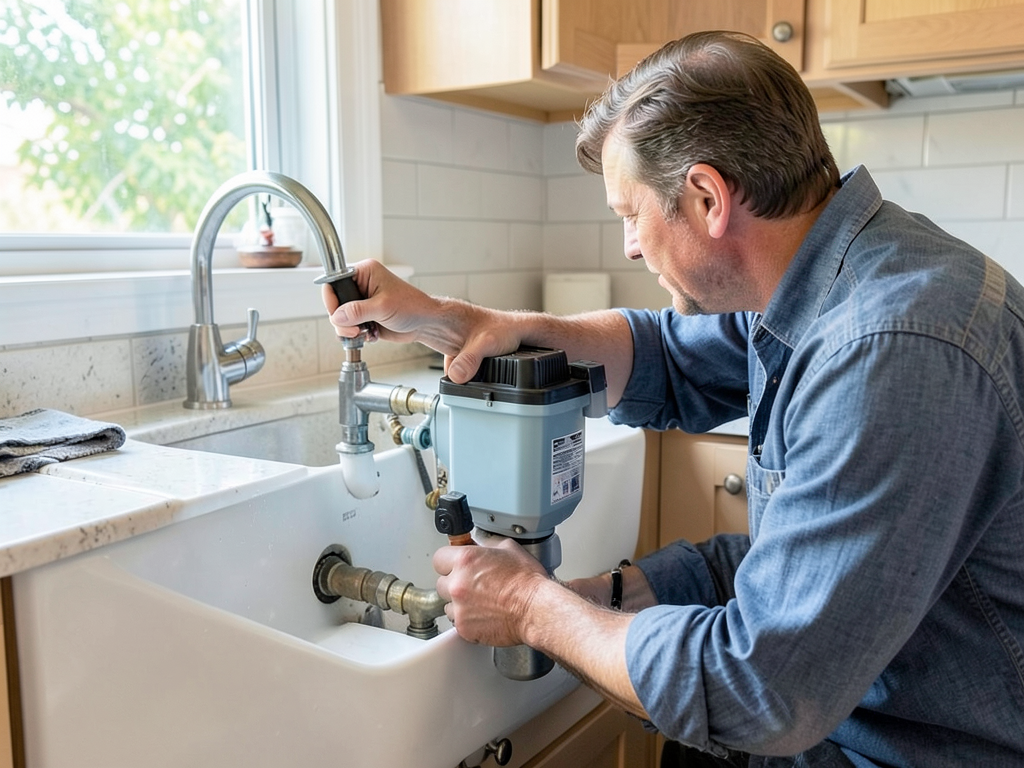
How a Hot Water Recirculating Pump Saves Water and Time in Large Edmond Houses
Large homes in Edmond often suffer from long wait times for hot water to reach distant bathrooms and kitchens. A hot water recirculating pump eliminates this frustration by keeping hot water moving through your pipes, delivering instant comfort while significantly reducing water waste. This technology is particularly valuable in Edmond’s sprawling suburban floor plans where plumbing runs can exceed 50 feet from the water heater. Why Edmond Homeowners Should Invest in a Whole House Water Softener.
How Hot Water Recirculating Pumps Actually Work
A recirculating pump creates a continuous loop that keeps hot water circulating through your plumbing system. When you turn on a hot water tap, the pump has already pushed hot water to that fixture, eliminating the wait. The system uses either a dedicated return line or a thermostatic bypass valve under the furthest sink to create the circulation path. How to Tell if Your Oklahoma City Home Has a Slab Leak Under the Foundation.
The pump activates based on either a timer, thermostat, or on-demand switch. Timer-based systems run during peak usage hours while thermostatically controlled pumps maintain water temperature within a set range. On-demand systems activate only when you press a button or use a motion sensor, providing hot water exactly when needed.. Read more about How a Hybrid Heat Pump Water Heater Handles the Oklahoma City Climate.
Top Benefits for Edmond Homeowners
Water conservation represents the most immediate benefit. The average household wastes 3-5 gallons of water waiting for hot water to arrive at each fixture. In a large Edmond home with multiple bathrooms, this adds up to thousands of gallons annually. At Oklahoma City’s current water rates, that translates to $100-200 in annual savings. Oklahoma Uniform Building Code Commission.
Energy efficiency improves because the system reduces the workload on your water heater. Instead of heating cold water that flows through pipes and cools down, the recirculating pump maintains a consistent temperature. Modern pumps use minimal electricity, typically costing $10-20 per year to operate.
Convenience cannot be overstated. No more standing at the sink waiting for hot water or starting showers 2-3 minutes early. This is especially valuable during Edmond’s cold winter mornings when cold water pipes can drop to near-freezing temperatures. Plumbing Edmond.
The Oklahoma Context: Hard Water and Local Climate Considerations
Central Oklahoma’s hard water presents unique challenges for recirculating pump systems. The high calcium content in Edmond’s municipal water supply can cause mineral buildup on pump components and inside pipes. This scale accumulation reduces pump efficiency by up to 30% over 3-5 years if not properly maintained.
Oklahoma’s extreme temperature swings affect system performance. Summer heat can cause thermal expansion in pipes, while winter freeze-thaw cycles stress plumbing connections. A properly installed recirculating system helps maintain more consistent water temperatures year-round, reducing the stress on pipes from rapid temperature changes. Plumbing Services.
According to the Oklahoma Uniform Building Code Commission, any plumbing modification that affects water distribution must comply with current code requirements. This includes proper pressure relief valves and thermal expansion tank installation when adding recirculating systems to existing plumbing.. Read more about Adding a Battery Backup to Your Sump Pump Before the Next Edmond Storm.
Technical Comparison: Bypass Valve vs. Dedicated Return Line Systems
Bypass valve systems represent the most common retrofit option for existing homes. These systems install under the furthest sink from the water heater and use the cold water line as the return path. They cost $200-400 for the pump and valve assembly plus installation labor.
Dedicated return line systems require running a separate pipe from the furthest fixture back to the water heater. This approach provides better performance and prevents mixing hot and cold water but costs $800-1,500 for installation in finished homes due to the need to run new pipes through walls or ceilings. EPA WaterSense program.
Timer-controlled systems activate during predictable usage periods, typically early morning and evening. These cost $150-300 and suit households with consistent schedules. Thermostatically controlled pumps maintain water temperature within 3-5 degrees of the set point, providing more consistent comfort but using slightly more energy.
Cost Analysis for Edmond Area Homes
Initial investment ranges from $300-1,500 depending on system type and installation complexity. Professional installation by a licensed Oklahoma plumber typically adds $200-500 to the project cost. The higher end reflects dedicated return line installations in finished homes. Need a Plumber Right Now in Edmond? We Handle Burst Pipes and Clogs Fast.
Annual operating costs include electricity for the pump motor ($10-20) and potential increased water heater energy use if the system runs continuously. However, most homeowners see net savings of $50-150 per year from reduced water waste alone.
Payback period typically ranges from 3-7 years based on household size and water usage patterns. Larger families and homes with multiple bathrooms see faster returns on investment due to higher water waste without a recirculating system.. Read more about How to Add a Bathroom to Your Basement Without Breaking Into the Concrete Floor.
Maintenance Requirements and Hard Water Solutions
Regular maintenance prevents the hard water scale issues common in Edmond. Annual descaling of the pump and valve assembly extends system life by 3-5 years. This involves removing mineral deposits using a vinegar solution or commercial descaling product.
Checking and replacing the pump’s mechanical seal every 3-5 years prevents leaks. The seal is the most common failure point in recirculating pumps due to constant exposure to hot water and mineral deposits.
Installing a whole-house water softener dramatically reduces maintenance requirements. Softened water prevents scale buildup on pump components and inside pipes, maintaining system efficiency and extending component life to 10+ years versus the typical 5-7 years with hard water.. Read more about The Hidden Plumbing Requirements for Installing a Steam Shower in Nichols Hills.
Integration with Tankless and Traditional Water Heaters
Tankless water heaters present unique challenges for recirculating systems. Standard pumps can cause short-cycling in tankless units, reducing their efficiency and lifespan. Specialized tankless-compatible pumps with flow switches prevent this issue but cost $100-200 more than standard models.
Traditional tank water heaters work seamlessly with most recirculating systems. The constant circulation actually helps maintain more even temperatures throughout the tank, reducing the frequency of heating cycles and potentially extending tank life.
Hybrid systems combining recirculation with point-of-use tankless heaters at distant fixtures provide ultimate convenience. These systems activate the recirculation pump only when the tankless unit needs to fire up, maximizing efficiency while eliminating wait times.
Installation Considerations for Edmond Homes
Edmond’s newer suburban developments often feature PEX plumbing, which works well with recirculating systems. The flexible nature of PEX reduces the need for extensive modifications when installing dedicated return lines.
Older homes in central Edmond may have copper or galvanized pipes that require different installation approaches. Galvanized pipes especially benefit from recirculating systems as they tend to accumulate more scale and have reduced internal diameters over time.
Attic space availability affects installation options. Homes with accessible attics provide easier routes for running return lines, while slab-on-grade homes may require more invasive installation methods.
Environmental Impact and Water Conservation
A single Edmond household can save 2,000-5,000 gallons of water annually with a recirculating system. This volume represents enough water to fill a small swimming pool or provide a year’s worth of drinking water for a family of four.
Reduced water waste also means less energy used to heat replacement water. The environmental benefits compound when considering the reduced strain on municipal water treatment and distribution systems during peak usage periods.
Many Oklahoma City area utilities offer rebates for water conservation upgrades. While specific recirculating pump rebates vary by provider, some programs offer $50-100 incentives for installing water-saving plumbing fixtures and systems.
Common Issues and Troubleshooting
Noisy operation often indicates failing bearings or debris in the pump impeller. This typically occurs after 3-5 years of service and requires pump replacement or cleaning.
Temperature fluctuations suggest a failing thermostatic control or incorrect pump sizing. The pump may be too small for the plumbing run length or the thermostat may need recalibration.
Leaks at pump connections usually result from loose fittings or failing seals. These issues require immediate attention to prevent water damage, especially in finished areas where the pump is installed.
Choosing the Right System for Your Edmond Home
Home size and layout determine the most effective system type. Homes over 2,500 square feet with multiple bathrooms benefit most from dedicated return line systems. Smaller homes under 2,000 square feet often find bypass valve systems sufficient.
Household water usage patterns influence system selection. Families with teenagers who take long showers need more robust systems than empty nesters who use minimal hot water.
Existing plumbing condition affects installation complexity and cost. Homes with accessible plumbing in basements or crawl spaces offer easier installation than those with finished walls and ceilings.
Frequently Asked Questions
How much water does a recirculating pump actually save?
Most households save 2,000-5,000 gallons annually, depending on home size and usage patterns. The savings are greatest in homes where the water heater is located far from fixtures.
Will a recirculating pump increase my electricity bill significantly?
No. Modern pumps use 25-50 watts and typically cost $10-20 per year to operate. The electricity savings from reduced water heating often offset this cost.
Can I install a recirculating pump myself?
While possible for experienced DIYers, professional installation ensures proper sizing, code compliance, and warranty protection. Incorrect installation can cause water damage or system failure.
How long do recirculating pumps typically last?
With proper maintenance, quality pumps last 7-10 years. Hard water areas may see reduced lifespan to 5-7 years without regular descaling and maintenance.
Is a Hot Water Recirculating Pump Right for Your Edmond Home?
The decision depends on your specific circumstances. If you regularly wait more than 30 seconds for hot water, have a large home with distant bathrooms, or want to reduce your environmental impact, a recirculating pump offers compelling benefits.
Consider your budget, home layout, and water usage patterns. The initial investment pays off through water savings, convenience, and increased home value. Modern systems are more efficient and reliable than ever before.
For Edmond homeowners dealing with long wait times and water waste, a hot water recirculating pump represents a practical solution that pays dividends for years to come.
Ready to Stop Wasting Water and Time?
Atlas Plumbing Oklahoma City specializes in hot water recirculating pump installation for Edmond homes. Our licensed plumbers understand the unique challenges of Oklahoma’s hard water and can recommend the right system for your specific needs.
Call (405) 507-3533 today to schedule your hot water efficiency audit. We’ll evaluate your home’s layout, water usage patterns, and plumbing configuration to design the perfect recirculating system. Stop waiting for hot water and start saving money today.
Don’t let another gallon of water go down the drain while you wait. Pick up the phone and call (405) 507-3533 before the next cold morning hits. Your convenience and conservation goals are just one call away.
{
“@context”: “https://schema.org”,
“@type”: “BlogPosting”,
“headline”: “How a Hot Water Recirculating Pump Saves Water and Time in Large Edmond Houses”,
“description”: “Discover how hot water recirculating pumps eliminate wait times and wasted water in Edmond’s large homes. Learn about water savings, energy efficiency, and local installation benefits.”,
“wordCount”: 1774,
“datePublished”: “2026-04-04T09:56:00.000Z”,
“dateModified”: “2026-04-04T09:56:00.000Z”,
“inLanguage”: “en-US”,
“mainEntityOfPage”: {
“@type”: “WebPage”,
“@id”: “https://atlasplumbingoklahomacity.com”
},
“publisher”: {
“@type”: “LocalBusiness”,
“name”: “Atlas Plumbing Oklahoma City”,
“url”: “https://atlasplumbingoklahomacity.com”
},
“author”: {
“@type”: “Organization”,
“name”: “Atlas Plumbing Oklahoma City”,
“url”: “https://atlasplumbingoklahomacity.com”
},
“image”: {
“@type”: “ImageObject”,
“url”: “https://atlasplumbingoklahomacity.com/wp-content/uploads/2026/03/how-a-hot-water-recirculating-pump-saves-water-and-1.png”
}
}
{
“@context”: “https://schema.org”,
“@type”: “Plumber”,
“name”: “Atlas Plumbing Oklahoma City”,
“url”: “https://atlasplumbingoklahomacity.com”,
“address”: {
“@type”: “PostalAddress”,
“addressLocality”: “Oklahoma City”
},
“areaServed”: {
“@type”: “City”,
“name”: “Oklahoma City”
}
}
{
“@context”: “https://schema.org”,
“@type”: “FAQPage”,
“mainEntity”: [
{
“@type”: “Question”,
“name”: “How much water does a recirculating pump actually save?”,
“acceptedAnswer”: {
“@type”: “Answer”,
“text”: “Most households save 2,000-5,000 gallons annually, depending on home size and usage patterns. The savings are greatest in homes where the water heater is located far from fixtures.”
}
},
{
“@type”: “Question”,
“name”: “Will a recirculating pump increase my electricity bill significantly?”,
“acceptedAnswer”: {
“@type”: “Answer”,
“text”: “No. Modern pumps use 25-50 watts and typically cost $10-20 per year to operate. The electricity savings from reduced water heating often offset this cost.”
}
},
{
“@type”: “Question”,
“name”: “Can I install a recirculating pump myself?”,
“acceptedAnswer”: {
“@type”: “Answer”,
“text”: “While possible for experienced DIYers, professional installation ensures proper sizing, code compliance, and warranty protection. Incorrect installation can cause water damage or system failure.”
}
},
{
“@type”: “Question”,
“name”: “How long do recirculating pumps typically last?”,
“acceptedAnswer”: {
“@type”: “Answer”,
“text”: “With proper maintenance, quality pumps last 7-10 years. Hard water areas may see reduced lifespan to 5-7 years without regular descaling and maintenance.”
}
},
{
“@type”: “Question”,
“name”: “Is a Hot Water Recirculating Pump Right for Your Edmond Home?”,
“acceptedAnswer”: {
“@type”: “Answer”,
“text”: “The decision depends on your specific circumstances. If you regularly wait more than 30 seconds for hot water, have a large home with distant bathrooms, or want to reduce your environmental impact, a recirculating pump offers compelling benefits.”
}
},
{
“@type”: “Question”,
“name”: “Ready to Stop Wasting Water and Time?”,
“acceptedAnswer”: {
“@type”: “Answer”,
“text”: “Atlas Plumbing Oklahoma City specializes in hot water recirculating pump installation for Edmond homes. Our licensed plumbers understand the unique challenges of Oklahoma’s hard water and can recommend the right system for your specific needs.”
}
}
]
}
{
“@context”: “https://schema.org”,
“@type”: “BreadcrumbList”,
“itemListElement”: [
{
“@type”: “ListItem”,
“position”: 1,
“name”: “Home”,
“item”: “https://atlasplumbingoklahomacity.com”
},
{
“@type”: “ListItem”,
“position”: 2,
“name”: “Blog”,
“item”: “https://atlasplumbingoklahomacity.com/blog”
},
{
“@type”: “ListItem”,
“position”: 3,
“name”: “How a Hot Water Recirculating Pump Saves Water and Time in Large Edmond Houses”
}
]
}
{
“@context”: “https://schema.org”,
“@type”: “Service”,
“serviceType”: “Plumbing”,
“provider”: {
“@type”: “LocalBusiness”,
“name”: “Atlas Plumbing Oklahoma City”,
“url”: “https://atlasplumbingoklahomacity.com”
},
“areaServed”: {
“@type”: “City”,
“name”: “Oklahoma City”
},
“description”: “Discover how hot water recirculating pumps eliminate wait times and wasted water in Edmond’s large homes. Learn about water savings, energy efficiency, and local installation benefits.”
}