What Every Oklahoma City Homeowner Needs to Document After a Pipe Bursts for Insurance
A burst pipe in your Oklahoma City home can turn a quiet evening into a frantic scramble. The first 60 minutes after discovering the leak are critical—not just for stopping the water, but for protecting your insurance claim. Oklahoma’s humid climate and expansive clay soil mean water damage can escalate quickly, creating the perfect conditions for mold growth within 24-48 hours. Understanding what your insurance adjuster needs to see—and how to provide it—can mean the difference between a smooth payout and a denied claim. Oklahoma Uniform Building Code Commission.
Immediate Actions That Protect Your Claim
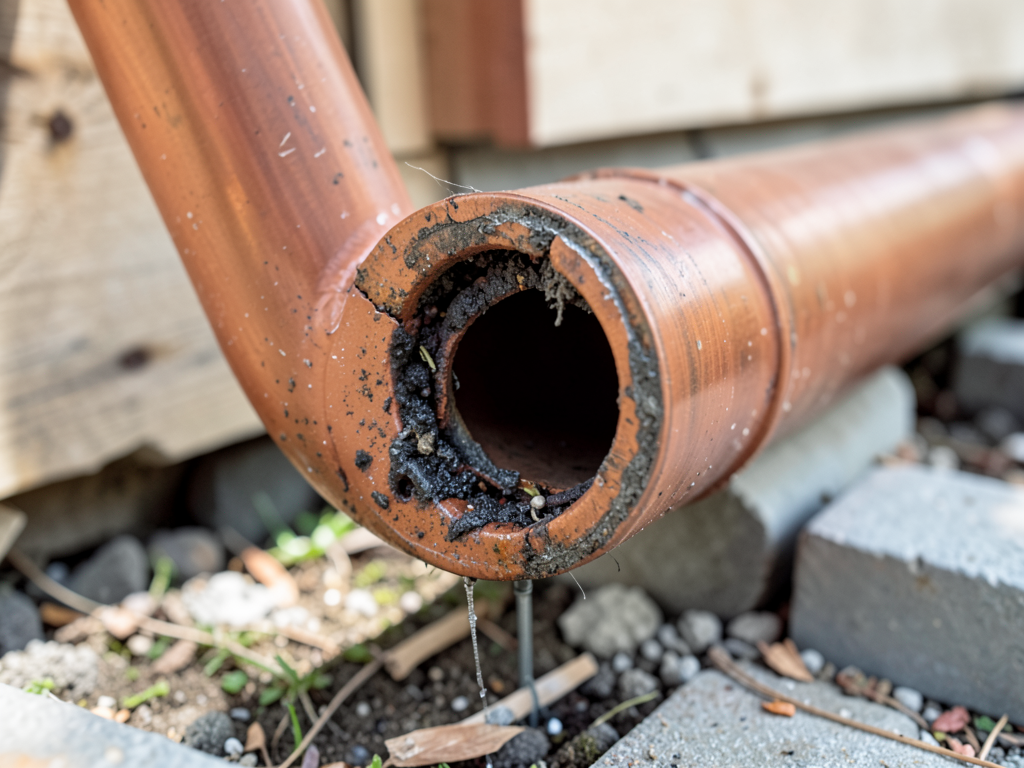
Before grabbing your phone to call the plumber, take these steps to preserve evidence. First, shut off the main water valve—typically located near the water meter or where the main line enters your home. In older Oklahoma City neighborhoods like Mesta Park or Crown Heights, these valves may be in basements or crawl spaces. Next, photograph the burst pipe itself before doing anything else. Capture the break point, surrounding materials, and any visible corrosion or wear. These images establish the pipe’s condition before any repair work begins. Need a Plumber Right Now in Edmond? We Handle Burst Pipes and Clogs Fast.
Document the water spread immediately. Use a tape measure to record the affected area’s dimensions. For example, “12 ft x 15 ft living room with 2-inch standing water near the north wall.” This level of detail matters when adjusters calculate replacement costs. Also, photograph any personal property in the water’s path—furniture, electronics, rugs. Create a simple inventory list with estimated values as you go. This documentation becomes crucial if you need to file a “personal property loss” claim under your homeowners policy. How to Tell if Your Oklahoma City Home Has a Slab Leak Under the Foundation.
Understanding Sudden vs. Gradual Damage in Oklahoma
Oklahoma homeowners insurance typically covers “sudden and accidental” water discharge from plumbing systems. This means a pipe that bursts due to freezing, corrosion, or pressure—like the kind that affected hundreds of OKC homes during the 2021 winter storm—should be covered. However, damage from slow leaks over months or years falls under “gradual damage,” which most policies exclude. Why Edmond Homeowners Should Invest in a Whole House Water Softener.
Here’s where Oklahoma’s unique conditions matter. Our expansive clay soil shifts seasonally, putting stress on underground pipes. A slow leak from a shifting foundation might look sudden when the pipe finally breaks, but the adjuster may classify it as gradual damage. This is why documenting the pipe’s age and condition matters. If your home in Nichols Hills or The Village has original 1960s copper piping, note any visible corrosion or pinhole leaks that preceded the burst. This establishes a timeline showing the failure was truly sudden.
The Documentation Phase: Adjuster-Ready Photos and Videos
Insurance adjusters look for specific evidence when processing water damage claims. Your documentation should tell a clear story: what happened, when it happened, and the extent of the damage. Start with wide-angle shots of the affected room, then move to close-ups of the damaged areas. Include a common object in each photo for scale—a dollar bill, a quarter, or a measuring tape.. Read more about Should You Shut Off the Water Before Leaving for Your Summer Vacation?.
Video documentation is equally important. Walk through the affected area with your phone, narrating what you see. Mention the date, time, and weather conditions. If you’re dealing with a slab leak in a home near Lake Hefner or in the Crown Heights historic district, show any cracks in the foundation or walls that might indicate soil movement. These details help establish whether the pipe failure was weather-related or due to long-term soil shifting.
Create a simple damage map. Sketch your home’s floor plan and mark the burst pipe location, water spread, and affected rooms. Note the materials involved—hardwood flooring, drywall, insulation type. This becomes invaluable when the adjuster calculates drying equipment needs and replacement costs. For example, plaster walls in older OKC homes take longer to dry than modern drywall, affecting both mitigation costs and mold risk.. Read more about Choosing the Best Pipe Insulation to Survive an Oklahoma Polar Vortex.
Oklahoma Specifics: Slab Leaks and Local Insurance Coverage
Oklahoma City’s expansive clay soil creates unique plumbing challenges. Homes built on concrete slabs in areas like Moore or Midwest City are particularly vulnerable to slab leaks. These occur when pipes under the concrete foundation develop leaks due to soil movement, corrosion, or pressure changes. The Oklahoma Uniform Building Code requires specific pipe materials and installation methods for slab construction, but even compliant systems can fail in our soil conditions. Plumbing Edmond.
When documenting a slab leak, show the water’s path through the concrete. Use a moisture meter (available at hardware stores for about $30) to measure wall and floor dampness at multiple points. Record readings like “12% moisture at 6 inches depth, 24% at 12 inches depth.” This data proves the water spread pattern and helps justify demolition versus drying decisions. Also, photograph any foundation cracks or elevation changes that might indicate soil movement—common in OKC’s older neighborhoods where expansive clay causes seasonal shifting.
Oklahoma’s building code (Section 312.2 of the 2021 OKC Plumbing Code) requires specific pipe protection in areas with expansive soil. If your plumber finds code violations—like unprotected copper pipes in expansive soil zones—document these with photos. This evidence can support a claim that the pipe failure resulted from improper installation rather than homeowner neglect, which insurance companies must consider.
Working with Your Plumber: The Cause of Loss Report
Your plumber’s documentation can make or break your claim. After emergency repairs, request a detailed “Cause of Loss” report. This should include the pipe’s material, age, installation method, and failure cause. For example: “1-inch PEX supply line, installed 2015, failed due to freeze expansion at -5°F on January 15, 2026.” This level of specificity helps the adjuster verify the claim against weather data and your policy terms. Industrial Pipe Repair.
Ask your plumber to note any code compliance issues. Oklahoma requires licensed plumbers to follow specific standards, including proper pipe insulation in unconditioned spaces. If your burst pipe lacked required insulation, this becomes part of the documented failure cause rather than homeowner negligence. Also, request photos of the failed pipe section before replacement. Many adjusters want to see the actual damaged material to verify the failure mode.
Choose a plumber familiar with insurance documentation. Some Oklahoma City plumbers specialize in insurance work and understand what adjusters need. They can provide moisture readings, material cost estimates, and even attend adjuster inspections. This expertise becomes crucial when dealing with complex claims involving multiple damage types—like when a burst pipe causes both water damage and potential mold growth.
Common Reasons for Plumbing Claim Denials in Oklahoma
Understanding why claims get denied helps you avoid common pitfalls. The most frequent reason is “lack of maintenance.” Insurance companies argue that homeowners should have noticed and fixed slow leaks before they caused major damage. Combat this by documenting your home’s maintenance history. Keep receipts for annual plumbing inspections, water heater flushes, and any repairs. If you’re in an older OKC neighborhood, note when you last had your plumbing system evaluated.
Another common denial reason is “wear and tear.” Standard policies exclude damage from aging systems. However, Oklahoma’s extreme weather creates unique circumstances. For example, pipes that survive decades of normal use might fail during an unprecedented freeze event. Document the weather conditions when the pipe burst and compare them to historical data. If your plumber can show the failure resulted from an extraordinary event rather than normal aging, your claim stands a better chance.
“Earth movement” exclusions often trip up Oklahoma homeowners. While sudden pipe bursts from freezing are covered, damage from gradual soil shifting usually isn’t. However, if your plumber can demonstrate that the pipe material or installation method was inadequate for Oklahoma’s expansive clay soil, this might override the exclusion. The key is having professional documentation that establishes a clear cause-and-effect relationship between the failure and covered perils.
Policy Endorsements Worth Considering
Standard homeowners policies in Oklahoma have specific limitations for plumbing-related damage. Consider adding endorsements that expand your coverage. “Service line coverage” protects against underground pipe failures, which are common in OKC’s older neighborhoods where cast iron or galvanized pipes are reaching the end of their lifespan. This endorsement typically costs $50-100 annually but can save thousands if a main line fails.
“Sewer backup coverage” is another valuable addition. Oklahoma’s combined sewer systems in older districts can back up during heavy rains, causing extensive damage. Standard policies exclude this unless you have the endorsement. The cost is usually $50-75 per year, but claims for sewer backups often exceed $10,000 due to contamination and structural damage.
For homes in flood-prone areas near the North Canadian River or in low-lying parts of Del City, “flood insurance” through the National Flood Insurance Program becomes essential. Standard homeowners policies exclude surface water damage, and Oklahoma’s flash flooding can overwhelm drainage systems quickly. Even if you’re not in a high-risk zone, consider the cost-benefit analysis—flood policies start around $400 annually for low-risk areas.
Preventing Future Pipe Bursts: Oklahoma-Specific Strategies
After handling the immediate crisis, focus on prevention. Oklahoma’s climate demands specific strategies. First, insulate exposed pipes in unconditioned spaces—attics, crawl spaces, and exterior walls. Use pipe insulation rated for your area’s coldest temperatures. In Oklahoma City, where temperatures can drop to -10°F during severe winter storms, standard foam insulation might not suffice. Consider heat tape for vulnerable pipes, especially in homes built before modern insulation standards.
Install a whole-house water pressure regulator if you don’t have one. Oklahoma City’s municipal water system can experience pressure surges, especially during drought conditions when demand spikes. High water pressure stresses pipes and fittings, leading to premature failures. A regulator maintains consistent pressure around 60-80 PSI, extending pipe life significantly.
Consider pipe material upgrades for older homes. Many OKC houses built before 1970 have galvanized steel pipes prone to corrosion and scale buildup. Replacing these with PEX or copper improves reliability and water quality. While expensive upfront, this investment can prevent costly emergency repairs and water damage. For slab foundations common in Oklahoma suburbs, PEX’s flexibility makes it more resistant to soil movement damage than rigid materials.
Working with Insurance Adjusters: What to Expect
After filing your claim, an adjuster will inspect the damage. Be present during this inspection and have your documentation ready. The adjuster will assess structural damage, personal property loss, and additional living expenses if your home is uninhabitable. In Oklahoma, where humidity accelerates mold growth, they’ll pay special attention to moisture levels and drying progress.
Prepare for the adjuster’s questions. They’ll want to know when you discovered the leak, what actions you took, and whether you’ve made any repairs. Be honest but stick to facts. If you’re unsure about something, say “I don’t know” rather than guessing. Adjusters are trained to spot inconsistencies, and even small discrepancies can delay your claim.
Understand the claims process timeline. In Oklahoma, most insurance companies have 30 days to acknowledge your claim and 60 days to make a coverage determination. However, complex water damage claims often take longer, especially if there’s a dispute about the cause of loss. Stay in regular contact with your adjuster and provide requested documentation promptly. Delays in responding can extend the process significantly.
Frequently Asked Questions
How long do I have to file a claim after a pipe bursts?
Most Oklahoma homeowners policies require notification “as soon as reasonably possible” after discovering damage. While there’s no strict deadline, waiting more than 14 days can complicate your claim. Document the discovery date and contact your insurance company immediately, even if you’re unsure about filing. This creates a paper trail showing timely notification.
Will my insurance cover the cost of the plumber?
Standard policies cover the cost to repair the resulting water damage but not the broken pipe itself. This means your insurance pays for tearing out damaged drywall, drying the structure, and replacing flooring—but not for replacing the actual pipe. However, if the pipe failure resulted from a covered peril (like freezing), some policies may cover access costs (tearing out walls to reach the pipe).
What if I can’t afford the deductible right now?
Oklahoma law requires insurance companies to pay claims within 30 days of approval. If you can’t afford your deductible immediately, discuss payment plans with your contractor. Many restoration companies work with homeowners to stage repairs, completing critical work first while waiting for insurance funds. Keep all receipts and communicate with your adjuster about any delays.
Should I use the insurance company’s preferred vendor?
You have the right to choose your own contractors in Oklahoma. While insurance companies may recommend “preferred vendors,” these relationships don’t guarantee better service or pricing. Using your own licensed Oklahoma City plumber ensures someone familiar with local codes and conditions handles your repairs. Just ensure any contractor you choose is willing to work with your insurance company’s documentation requirements.
How do I handle mold concerns?
Oklahoma’s humidity creates ideal conditions for mold growth after water damage. Standard policies cover mold resulting from a covered water loss, but they may limit coverage to $5,000-10,000. Document any visible mold immediately with photos and moisture readings. If mold develops after you’ve taken steps to dry the area, this supports your claim that you acted responsibly to prevent further damage.
Taking Action: Your Next Steps
Dealing with a burst pipe is stressful enough without worrying about insurance complications. By documenting everything thoroughly and understanding Oklahoma’s specific insurance considerations, you position yourself for a smoother claims process. Remember, your goal is to provide clear evidence that the damage was sudden and accidental—not gradual or due to lack of maintenance.
Start by taking those initial photos and shutting off the water. Then contact a licensed Oklahoma City plumber who understands insurance documentation requirements. Keep all receipts, maintain a detailed inventory, and don’t hesitate to ask questions about your policy coverage. With proper documentation and professional help, you can navigate this crisis and restore your home with minimal hassle.
Need immediate help with a burst pipe in Oklahoma City? Call (405) 507-3533 today to schedule your inspection. Our licensed plumbers are available 24/7 to handle emergencies and provide the detailed documentation your insurance company needs.
Don’t let a plumbing emergency turn into a financial nightmare. Pick up the phone and call (405) 507-3533 before the next storm hits. We’ll help you protect your home and your insurance claim. For more information, visit IICRC S500 Standard for Professional Water Damage Restoration.

{
“@context”: “https://schema.org”,
“@type”: “BlogPosting”,
“headline”: “What Every Oklahoma City Homeowner Needs to Document After a Pipe Bursts for Insurance”,
“description”: “Burst pipe in Oklahoma City? Learn the exact steps to document water damage for insurance claims. Includes local codes, slab leak specifics, and adjuster-approved photos.”,
“wordCount”: 2415,
“datePublished”: “2026-05-29T06:30:00.000Z”,
“dateModified”: “2026-05-29T06:30:00.000Z”,
“inLanguage”: “en-US”,
“mainEntityOfPage”: {
“@type”: “WebPage”,
“@id”: “https://atlasplumbingoklahomacity.com”
},
“publisher”: {
“@type”: “LocalBusiness”,
“name”: “Atlas Plumbing Oklahoma City”,
“url”: “https://atlasplumbingoklahomacity.com”
},
“author”: {
“@type”: “Organization”,
“name”: “Atlas Plumbing Oklahoma City”,
“url”: “https://atlasplumbingoklahomacity.com”
},
“image”: {
“@type”: “ImageObject”,
“url”: “https://atlasplumbingoklahomacity.com/wp-content/uploads/2026/03/what-every-oklahoma-city-homeowner-needs-to-docume-1.png”
}
}
{
“@context”: “https://schema.org”,
“@type”: “Plumber”,
“name”: “Atlas Plumbing Oklahoma City”,
“url”: “https://atlasplumbingoklahomacity.com”,
“address”: {
“@type”: “PostalAddress”,
“addressLocality”: “Oklahoma City”
},
“areaServed”: {
“@type”: “City”,
“name”: “Oklahoma City”
}
}
{
“@context”: “https://schema.org”,
“@type”: “FAQPage”,
“mainEntity”: [
{
“@type”: “Question”,
“name”: “How long do I have to file a claim after a pipe bursts?”,
“acceptedAnswer”: {
“@type”: “Answer”,
“text”: “Most Oklahoma homeowners policies require notification \”as soon as reasonably possible\” after discovering damage. While there’s no strict deadline, waiting more than 14 days can complicate your claim. Document the discovery date and contact your insurance company immediately, even if you’re unsure about filing. This creates a paper trail showing timely notification.”
}
},
{
“@type”: “Question”,
“name”: “Will my insurance cover the cost of the plumber?”,
“acceptedAnswer”: {
“@type”: “Answer”,
“text”: “Standard policies cover the cost to repair the resulting water damage but not the broken pipe itself. This means your insurance pays for tearing out damaged drywall, drying the structure, and replacing flooring—but not for replacing the actual pipe. However, if the pipe failure resulted from a covered peril (like freezing), some policies may cover access costs (tearing out walls to reach the pipe).”
}
},
{
“@type”: “Question”,
“name”: “What if I can’t afford the deductible right now?”,
“acceptedAnswer”: {
“@type”: “Answer”,
“text”: “Oklahoma law requires insurance companies to pay claims within 30 days of approval. If you can’t afford your deductible immediately, discuss payment plans with your contractor. Many restoration companies work with homeowners to stage repairs, completing critical work first while waiting for insurance funds. Keep all receipts and communicate with your adjuster about any delays.”
}
},
{
“@type”: “Question”,
“name”: “Should I use the insurance company’s preferred vendor?”,
“acceptedAnswer”: {
“@type”: “Answer”,
“text”: “You have the right to choose your own contractors in Oklahoma. While insurance companies may recommend \”preferred vendors,\” these relationships don’t guarantee better service or pricing. Using your own licensed Oklahoma City plumber ensures someone familiar with local codes and conditions handles your repairs. Just ensure any contractor you choose is willing to work with your insurance company’s documentation requirements.”
}
},
{
“@type”: “Question”,
“name”: “How do I handle mold concerns?”,
“acceptedAnswer”: {
“@type”: “Answer”,
“text”: “Oklahoma’s humidity creates ideal conditions for mold growth after water damage. Standard policies cover mold resulting from a covered water loss, but they may limit coverage to $5,000-10,000. Document any visible mold immediately with photos and moisture readings. If mold develops after you’ve taken steps to dry the area, this supports your claim that you acted responsibly to prevent further damage.”
}
}
]
}
{
“@context”: “https://schema.org”,
“@type”: “BreadcrumbList”,
“itemListElement”: [
{
“@type”: “ListItem”,
“position”: 1,
“name”: “Home”,
“item”: “https://atlasplumbingoklahomacity.com”
},
{
“@type”: “ListItem”,
“position”: 2,
“name”: “Blog”,
“item”: “https://atlasplumbingoklahomacity.com/blog”
},
{
“@type”: “ListItem”,
“position”: 3,
“name”: “What Every Oklahoma City Homeowner Needs to Document After a Pipe Bursts for Insurance”
}
]
}
{
“@context”: “https://schema.org”,
“@type”: “Service”,
“serviceType”: “Plumbing”,
“provider”: {
“@type”: “LocalBusiness”,
“name”: “Atlas Plumbing Oklahoma City”,
“url”: “https://atlasplumbingoklahomacity.com”
},
“areaServed”: {
“@type”: “City”,
“name”: “Oklahoma City”
},
“description”: “Burst pipe in Oklahoma City? Learn the exact steps to document water damage for insurance claims. Includes local codes, slab leak specifics, and adjuster-approved photos.”
}