How the Oklahoma Summer Heat Actually Shrinks the Soil Around Your Pipes
The scorching Oklahoma summer heat does more than just drive up your electric bill. It silently transforms the ground beneath your home, creating a hidden threat to your plumbing system. When temperatures soar and rainfall disappears, Oklahoma’s expansive red clay soil begins a dangerous cycle of contraction that can literally pull your pipes apart. Oklahoma City Water Utilities Trust.
During extreme heat waves, the moisture content in clay soil drops dramatically. As water evaporates from the soil matrix, the clay particles compress tightly together, shrinking the overall volume. This creates voids around your underground pipes where the soil once provided support. The result? Your plumbing becomes suspended in air pockets, vulnerable to shifting, cracking, and complete separation. How to Tell if Your Oklahoma City Home Has a Slab Leak Under the Foundation.
Unlike sandy soils that remain relatively stable, Oklahoma’s red clay can shrink by up to 15% during severe drought conditions. This means a pipe that was once surrounded by tightly packed soil suddenly finds itself in a gap large enough to fit your fist. The constant ground movement then causes pipes to flex, rub against rocks, or snap at their weakest joints. Oklahoma Water Resources Board.
Understanding this process is crucial because the damage happens slowly and silently. By the time you notice a problem, you could be facing extensive repairs, water damage, and a sky-high utility bill. The good news is that with proper awareness and preventative measures, you can protect your home from becoming another drought-related plumbing statistic. Industrial Pipe Repair.
The Science Behind Oklahoma’s Shrinking Soil
Oklahoma sits on what geologists call the Central Oklahoma Aquifer system, characterized by thick deposits of marine clay from ancient seabeds. This clay has a unique property called volumetric shrinkage – it physically changes volume based on moisture content. During Oklahoma’s typical summer months, when temperatures regularly exceed 95°F and rainfall can drop below 1 inch per month, this shrinkage accelerates dramatically.
The process works like this: Clay particles are flat, plate-like structures that stack together when dry. When water is present, it fills the spaces between these plates, causing the soil to expand. As water evaporates during drought, the plates collapse back together, reducing the soil volume. A cubic foot of moist Oklahoma clay might shrink to just 0.85 cubic feet when completely dry.
This isn’t just a minor inconvenience. The Oklahoma Water Resources Board tracks soil moisture levels across the state, and when readings drop below critical thresholds, the risk of foundation and plumbing damage increases exponentially. In 2023, during a particularly severe drought, OKC Water Utilities Trust reported a 37% increase in slab leak service calls compared to normal years. Plumbing Edmond.

Diagram showing clay soil expansion and contraction cycles with seasonal moisture changes
Why Oklahoma’s Red Clay is Different from Other Soils
Not all clay behaves the same way. Oklahoma’s red clay, technically classified as smectite clay, has an exceptionally high plasticity index – meaning it expands and contracts more dramatically than other clay types. This is why homes in Norman might experience different soil movement than those in Edmond, even though they’re only 20 miles apart.
The plasticity comes from the clay’s mineral composition. Oklahoma’s red clay contains high levels of montmorillonite, a mineral that can absorb up to seven times its weight in water. When this water is removed during drought, the resulting shrinkage is severe. This is why you might notice cracks appearing in your yard during dry spells – those are the physical manifestations of soil pulling apart.
Local building codes in Oklahoma City have evolved to address this challenge. The Oklahoma Uniform Building Code Commission now requires specific foundation design considerations for areas with high clay content. However, many homes built before the 2010 code updates remain vulnerable to these soil movement issues.
Understanding your specific soil type matters. Homes in the Oklahoma River floodplain have different clay characteristics than those in the elevated areas near Lake Hefner. The soil depth also varies – some areas have just a few feet of clay over bedrock, while others have 20+ feet of expansive soil that can move significantly.
Top 3 Drought-Related Plumbing Issues in Oklahoma Homes
When soil shrinks away from your pipes, three main problems typically occur. Each requires different diagnostic approaches and repair strategies. Understanding which issue you’re facing helps determine the urgency and cost of repairs.. Read more about Why Your Pipes Are Sweating and How to Stop Humidity Damage in Your OKC Crawl Space.
Slab Leaks Under Foundation: The most common and destructive issue occurs when supply lines running through your concrete slab separate due to soil movement. These leaks often go undetected for weeks or months, slowly saturating the soil beneath your home. The water then undermines your foundation, causing additional settling and cracking. Many homeowners in Nichols Hills and The Village have discovered slab leaks only after noticing warm spots on their floors or hearing the sound of running water when all fixtures are off.
Main Line Separations: Your home’s main water line connects to the city supply at the street. During severe drought, the expansive soil movement can cause these buried pipes to shear completely apart. The separation often occurs at the glue joints or fittings, which are the weakest points. These breaks typically require excavation and complete pipe replacement, making them among the most expensive plumbing repairs.
Sewer Line Offsets: While less common than water line issues, sewer pipes can also separate when soil shrinks. The problem is particularly severe in older homes with clay or cast iron sewer lines. When sections separate, sewage can leak into the surrounding soil, creating health hazards and requiring immediate attention. Tree roots often compound the problem by seeking out the moisture from these leaks.
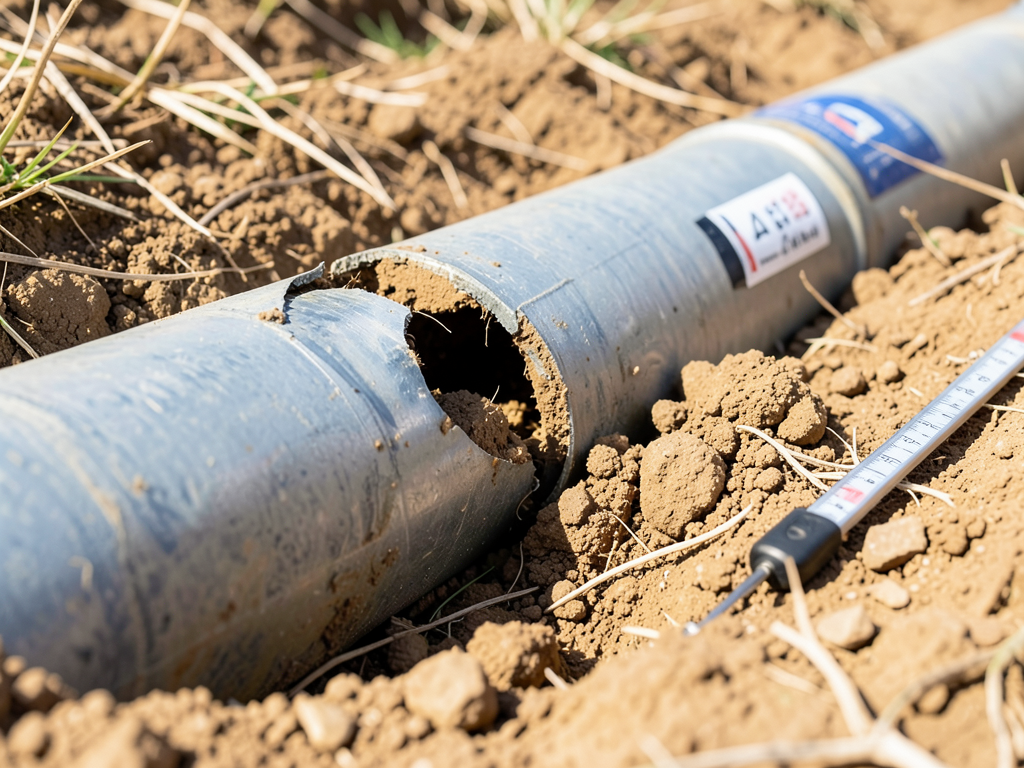
Photo showing soil gap around exposed pipe during drought conditions
Warning Signs Your Pipes Are Suffering from Soil Shrinkage
Detecting drought-related plumbing problems early can save thousands in repair costs. The challenge is that these issues develop gradually, and the warning signs are often subtle. Here’s what to watch for during Oklahoma’s hot, dry months. Plumbing Services.
Unexpected Water Bill Increases: One of the first indicators of a hidden leak is a sudden jump in your water usage. During drought conditions, your outdoor watering should decrease, not increase. If your bill shows higher consumption despite normal usage patterns, you likely have a leak somewhere in your system. Many OKC residents don’t realize their automated sprinkler systems are masking a much larger problem.
Cracks in Foundation or Walls: As soil shrinks and pipes separate, the resulting water leakage can saturate specific areas beneath your home. This creates uneven settling, leading to new cracks in your foundation, brick veneer, or interior drywall. Pay special attention to diagonal cracks that start small at the top and widen toward the bottom – these often indicate foundation movement.
Spongy or Soggy Spots in Dry Areas: During drought, your yard should be uniformly dry and firm. If you notice areas that remain soft, wet, or even have standing water while the surrounding area is parched, you’ve likely found a leak. The water follows the path of least resistance, surfacing where the soil is weakest. This is particularly common in yards with clay soil that doesn’t drain well.
Reduced Water Pressure: A slow, gradual drop in water pressure throughout your home can indicate a supply line leak. As water escapes through cracks or separations, less reaches your fixtures. This is different from the sudden pressure drop you’d experience with a major break – drought-related leaks often develop slowly enough that pressure changes are barely noticeable day to day.
How to Protect Your Plumbing During Oklahoma Droughts
Prevention is always less expensive than emergency repairs. Several strategies can help minimize the risk of drought-related plumbing damage. The key is implementing these measures before the hottest, driest months arrive.
Strategic Foundation Watering: Maintaining consistent soil moisture around your foundation can prevent the extreme shrinkage that damages pipes. Use a soaker hose placed 12-18 inches from your foundation, running it for 15-20 minutes every 2-3 days during drought. The goal isn’t to saturate the soil but to keep it from becoming completely desiccated. This technique is particularly effective for homes in established neighborhoods like Crown Heights or Mesta Park where mature trees compete for soil moisture.
Install Expansion Joints: Modern plumbing installations can include flexible expansion joints at critical connection points. These rubber or neoprene connectors absorb the movement caused by soil shrinkage, preventing pipe separation. While retrofitting existing plumbing is expensive, it’s worth considering during major renovations or if you’ve experienced repeated drought-related failures.
Annual Pressure Testing: Having your plumbing system pressure tested annually can identify weaknesses before they become catastrophic failures. This test involves isolating sections of your plumbing and monitoring for pressure drops that indicate leaks. Many Oklahoma City plumbers offer this service in early summer, before peak drought conditions arrive.
Smart Water Monitoring: Modern smart water meters and leak detection systems can alert you to problems within hours rather than weeks. These systems monitor your water usage patterns and can detect the small, continuous flows that characterize slow leaks. Some systems can even automatically shut off your water if they detect unusual patterns, preventing extensive damage.
Technician using moisture meter to detect underground leaks in drought conditions
Emergency Response When Drought Breaks Pipes
When a drought-related pipe break occurs, quick action can minimize damage. Understanding the immediate steps to take helps you respond effectively when every minute counts. Here’s your emergency action plan for Oklahoma’s clay soil plumbing failures.
Locate Your Main Shutoff Valve: Before an emergency occurs, find your home’s main water shutoff valve. It’s typically located where the main line enters your home, often in a basement, crawl space, or near the water heater. During a major leak, shutting off this valve immediately stops water flow and prevents flooding. Many homeowners waste precious minutes searching for this valve during a crisis.
Document the Damage: Once you’ve stopped the water flow, document everything with photos and videos. This documentation is crucial for insurance claims and helps your plumber understand the scope of the problem. Note the date, time, and any contributing factors like recent drought conditions or extreme heat. Insurance companies often require this information for coverage decisions.
Call a Specialist Immediately: Not all plumbers have experience with drought-related clay soil issues. Look for professionals who understand Oklahoma’s unique geological challenges and have experience with slab leak detection and foundation plumbing. The right specialist can often locate and repair the problem with minimal excavation, saving you thousands in restoration costs.
Consider Temporary Water Solutions: Major repairs might leave you without water for several days. Having a plan for temporary water supply – whether through portable storage tanks, neighbor arrangements, or hotel stays – reduces the disruption to your family’s routine. Some plumbing companies offer emergency water tank rentals during extensive repairs.
Cost Comparison: Prevention vs. Emergency Repair
Understanding the financial impact of drought-related plumbing issues helps justify preventative measures. The cost difference between proactive maintenance and emergency repairs is substantial. Here’s a breakdown of typical expenses for Oklahoma homeowners. Why Edmond Homeowners Should Invest in a Whole House Water Softener.
| Service Type | Average Cost Range | Timeframe | Notes |
|---|---|---|---|
| Foundation Watering System | $250 – $600 | 1 day | Installation of soaker hoses and timer |
| Annual Plumbing Inspection | $150 – $300 | 2-4 hours | Includes pressure testing and visual inspection |
| Slab Leak Detection | $400 – $800 | 2-6 hours | Electronic detection without excavation |
| Minor Pipe Repair | $500 – $1,500 | 1-2 days | Single section replacement |
| Major Slab Leak Repair | $2,000 – $6,000 | 3-5 days | Includes concrete cutting and restoration |
| Foundation Underpinning | $8,000 – $25,000 | 1-2 weeks | Required when soil movement causes structural damage |
The numbers tell a clear story. Spending $500-600 annually on prevention can save you $10,000-25,000 in emergency repairs. Many Oklahoma City homeowners find that the peace of mind alone justifies the preventative investment, especially during years when drought conditions are predicted.
Frequently Asked Questions
How long does it take for Oklahoma clay soil to shrink during a drought?
Soil shrinkage typically begins within 2-3 weeks of sustained hot, dry weather. The process accelerates as temperatures rise above 90°F and can continue for the entire duration of a drought. Clay soil can lose up to 15% of its volume during extreme conditions lasting more than 60 days.
Can I prevent soil shrinkage around my pipes completely?
Complete prevention isn’t possible, but you can significantly reduce the risk. Strategic foundation watering, proper drainage, and modern pipe materials with expansion joints all help minimize the effects of soil movement. The goal is to keep soil moisture relatively consistent rather than letting it fluctuate dramatically.
Does homeowners insurance cover drought-related plumbing damage?
Coverage varies by policy. Most standard policies cover sudden, accidental water damage but may exclude damage from gradual soil movement or settling. Some insurers offer additional coverage for foundation issues in areas with expansive clay soil. Check your policy details and consider adding coverage if you live in a high-risk area.
How do I know if my home is at high risk for drought-related plumbing issues?
Homes built before 2010, those with clay or cast iron pipes, and properties in areas with known expansive soil are at higher risk. If you’ve experienced foundation cracks, uneven floors, or previous plumbing issues during dry spells, your home is likely vulnerable. A professional assessment can determine your specific risk level.
What’s the best time of year to address potential soil-related plumbing problems?
Late spring, before peak summer heat arrives, is ideal. This timing allows you to implement preventative measures before soil shrinkage begins. However, if you’re experiencing problems, don’t wait – addressing issues during mild weather is easier and often less expensive than emergency repairs during extreme heat.
Protect Your Home Before the Next Heat Wave Hits
Oklahoma’s summer heat isn’t going away, and neither is the threat it poses to your plumbing system. The combination of extreme temperatures and expansive clay soil creates a perfect storm for hidden pipe damage that can cost thousands to repair. Understanding how soil shrinkage works and recognizing the warning signs puts you ahead of the problem.
Don’t wait until you’re standing in a flooded room or facing a $10,000 repair bill. Simple preventative measures like foundation watering and annual inspections can save you significant money and stress. If you’ve noticed any of the warning signs we’ve discussed – unexpected water bills, foundation cracks, or soggy spots in your yard – it’s time to take action.
The specialists at Atlas Plumbing have been helping Oklahoma City homeowners protect their plumbing systems from drought-related damage for over 15 years. We understand the unique challenges that our local soil and climate create, and we have the diagnostic tools and repair expertise to address them effectively.
Call (405) 507-3533 today to schedule your comprehensive plumbing inspection. Our team will evaluate your system’s vulnerability to soil shrinkage and recommend specific preventative measures for your home. Don’t let another Oklahoma summer shrink your pipes and expand your repair bills. Pick up the phone and call (405) 507-3533 before the next heat wave hits.
Remember, the cost of prevention is always less than the cost of emergency repairs. Your home’s plumbing system is too important to leave to chance. Contact Atlas Plumbing now and let our experienced team help you weather Oklahoma’s extreme conditions with confidence.
Don’t wait until you have a crisis. Call (405) 507-3533 today and take the first step toward protecting your home from drought-related plumbing damage. Your future self will thank you when the next heat wave rolls through Oklahoma City.. Read more about Protecting Your Sewer Line From the Massive Oak Trees in Historic Nichols Hills.
Act now. Call (405) 507-3533 and schedule your inspection before soil shrinkage causes expensive damage to your plumbing system. Atlas Plumbing – your local experts in Oklahoma’s unique plumbing challenges.
{
“@context”: “https://schema.org”,
“@type”: “BlogPosting”,
“headline”: “How the Oklahoma Summer Heat Actually Shrinks the Soil Around Your Pipes”,
“description”: “Discover how Oklahoma’s red clay soil contracts during drought, pulling away from pipes and causing costly leaks. Learn the warning signs and prevention tips from OKC plumbing experts.”,
“wordCount”: 2645,
“datePublished”: “2026-05-25T08:08:00.000Z”,
“dateModified”: “2026-05-25T08:08:00.000Z”,
“inLanguage”: “en-US”,
“mainEntityOfPage”: {
“@type”: “WebPage”,
“@id”: “https://atlasplumbingoklahomacity.com”
},
“publisher”: {
“@type”: “LocalBusiness”,
“name”: “Atlas Plumbing Oklahoma City”,
“url”: “https://atlasplumbingoklahomacity.com”
},
“author”: {
“@type”: “Organization”,
“name”: “Atlas Plumbing Oklahoma City”,
“url”: “https://atlasplumbingoklahomacity.com”
},
“image”: {
“@type”: “ImageObject”,
“url”: “https://atlasplumbingoklahomacity.com/wp-content/uploads/2026/03/how-the-oklahoma-summer-heat-actually-shrinks-the-1.png”
}
}
{
“@context”: “https://schema.org”,
“@type”: “Plumber”,
“name”: “Atlas Plumbing Oklahoma City”,
“url”: “https://atlasplumbingoklahomacity.com”,
“address”: {
“@type”: “PostalAddress”,
“addressLocality”: “Oklahoma City”
},
“areaServed”: {
“@type”: “City”,
“name”: “Oklahoma City”
}
}
{
“@context”: “https://schema.org”,
“@type”: “FAQPage”,
“mainEntity”: [
{
“@type”: “Question”,
“name”: “How long does it take for Oklahoma clay soil to shrink during a drought?”,
“acceptedAnswer”: {
“@type”: “Answer”,
“text”: “Soil shrinkage typically begins within 2-3 weeks of sustained hot, dry weather. The process accelerates as temperatures rise above 90°F and can continue for the entire duration of a drought. Clay soil can lose up to 15% of its volume during extreme conditions lasting more than 60 days.”
}
},
{
“@type”: “Question”,
“name”: “Can I prevent soil shrinkage around my pipes completely?”,
“acceptedAnswer”: {
“@type”: “Answer”,
“text”: “Complete prevention isn’t possible, but you can significantly reduce the risk. Strategic foundation watering, proper drainage, and modern pipe materials with expansion joints all help minimize the effects of soil movement. The goal is to keep soil moisture relatively consistent rather than letting it fluctuate dramatically.”
}
},
{
“@type”: “Question”,
“name”: “Does homeowners insurance cover drought-related plumbing damage?”,
“acceptedAnswer”: {
“@type”: “Answer”,
“text”: “Coverage varies by policy. Most standard policies cover sudden, accidental water damage but may exclude damage from gradual soil movement or settling. Some insurers offer additional coverage for foundation issues in areas with expansive clay soil. Check your policy details and consider adding coverage if you live in a high-risk area.”
}
},
{
“@type”: “Question”,
“name”: “How do I know if my home is at high risk for drought-related plumbing issues?”,
“acceptedAnswer”: {
“@type”: “Answer”,
“text”: “Homes built before 2010, those with clay or cast iron pipes, and properties in areas with known expansive soil are at higher risk. If you’ve experienced foundation cracks, uneven floors, or previous plumbing issues during dry spells, your home is likely vulnerable. A professional assessment can determine your specific risk level.”
}
},
{
“@type”: “Question”,
“name”: “What’s the best time of year to address potential soil-related plumbing problems?”,
“acceptedAnswer”: {
“@type”: “Answer”,
“text”: “Late spring, before peak summer heat arrives, is ideal. This timing allows you to implement preventative measures before soil shrinkage begins. However, if you’re experiencing problems, don’t wait – addressing issues during mild weather is easier and often less expensive than emergency repairs during extreme heat.”
}
}
]
}
{
“@context”: “https://schema.org”,
“@type”: “BreadcrumbList”,
“itemListElement”: [
{
“@type”: “ListItem”,
“position”: 1,
“name”: “Home”,
“item”: “https://atlasplumbingoklahomacity.com”
},
{
“@type”: “ListItem”,
“position”: 2,
“name”: “Blog”,
“item”: “https://atlasplumbingoklahomacity.com/blog”
},
{
“@type”: “ListItem”,
“position”: 3,
“name”: “How the Oklahoma Summer Heat Actually Shrinks the Soil Around Your Pipes”
}
]
}
{
“@context”: “https://schema.org”,
“@type”: “Service”,
“serviceType”: “Plumbing”,
“provider”: {
“@type”: “LocalBusiness”,
“name”: “Atlas Plumbing Oklahoma City”,
“url”: “https://atlasplumbingoklahomacity.com”
},
“areaServed”: {
“@type”: “City”,
“name”: “Oklahoma City”
},
“description”: “Discover how Oklahoma’s red clay soil contracts during drought, pulling away from pipes and causing costly leaks. Learn the warning signs and prevention tips from OKC plumbing experts.”
}