
Getting Rid of the Slimy Orange Gunk in Your Luther or Jones Well Water
Living in rural Oklahoma means dealing with well water that often contains more than just minerals. That slimy orange gunk coating your toilet tank and clogging your faucet aerators is iron bacteria a living microorganism that thrives in the state’s iron-rich aquifers. This isn’t just an aesthetic problem; it’s a biological issue that requires specific treatment methods to eliminate completely. Oklahoma Department of Environmental Quality.
What Is That Orange Slime in Your Well Water?
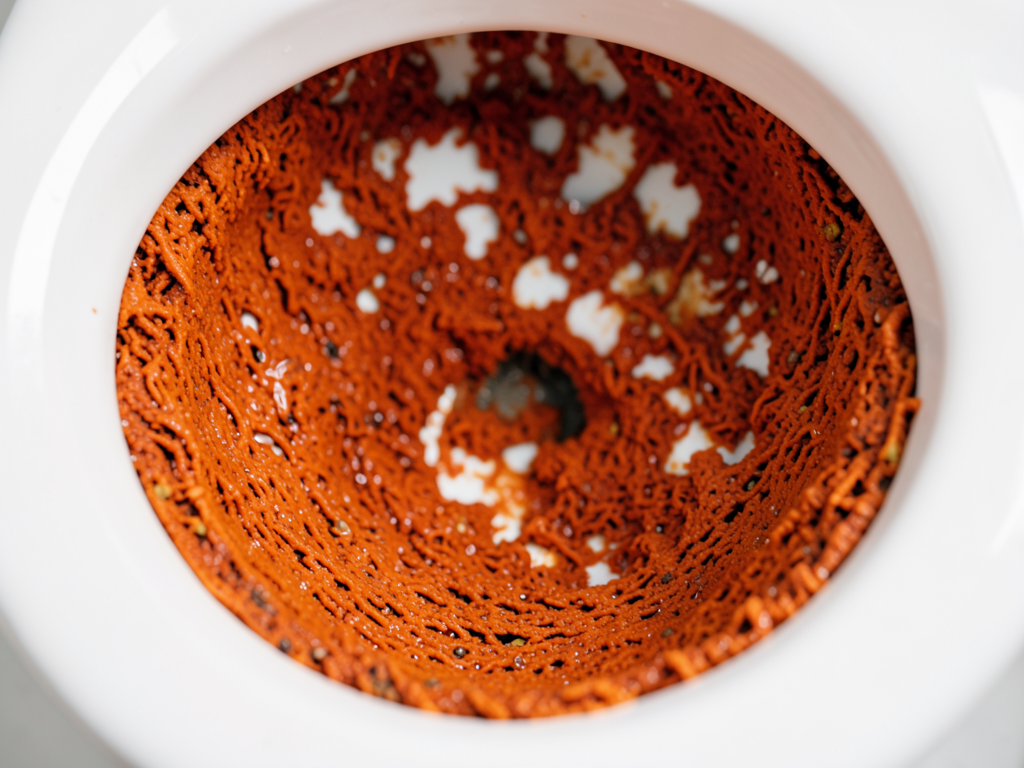
Iron bacteria are microscopic organisms that feed on dissolved iron in groundwater. Unlike simple iron staining that creates reddish-brown discoloration, these bacteria produce a thick, slimy biofilm that can clog pipes, reduce water pressure, and create unpleasant odors. In Oklahoma County’s rural areas like Luther and Jones, the Garber-Wellington Aquifer’s high iron content creates perfect conditions for these bacteria to flourish. Oklahoma Water Resources Board.
The slime you’re seeing isn’t just mineral buildup; it’s a living biofilm containing bacteria, their waste products, and trapped minerals. This biofilm can harbor other microorganisms and create conditions where hydrogen sulfide gas forms, leading to that characteristic rotten egg smell many homeowners report. Why Edmond Homeowners Should Invest in a Whole House Water Softener.
How to Identify Iron Bacteria in Your Well Water
Before treating your well, you need to confirm you’re dealing with iron bacteria and not just high iron content. Here’s how to perform a basic diagnostic test:
- Gather Your Supplies
You’ll need a clear glass, white paper towel, and water from your tap.. Read more about Why Your Water Softener Salt Tank Is Caking Up (And How to Fix the Salt Bridge).
- Collect a Sample
Fill the glass with cold water and let it sit undisturbed for 30 minutes.. Read more about Common Well Water Challenges for Homeowners Near Lake Arcadia.
- Observe the Results
If you see orange-brown particles settling at the bottom and a rainbow-like sheen on the surface, you likely have iron bacteria. The particles won’t settle cleanly like simple iron; they’ll form clumps and may have a slightly oily appearance.
Another telltale sign is checking your toilet tank. Remove the lid and look for reddish-brown slime coating the walls and components. This slime is actually the bacteria’s protective biofilm and indicates active colonization in your well system.
Why Oklahoma Wells Are Particularly Vulnerable
The Garber-Wellington Aquifer, which supplies most rural wells in Oklahoma County, naturally contains high levels of dissolved iron. This limestone and sandstone formation, formed millions of years ago, creates ideal conditions for iron bacteria growth. The red clay soil common in areas like Luther and Jones also contributes iron particles that can enter the well system. How to Tell if Your Oklahoma City Home Has a Slab Leak Under the Foundation.
Oklahoma’s seasonal temperature fluctuations and varying water table depths create additional stress on well systems. During dry periods, water levels drop, concentrating minerals and bacteria. When rains return, the sudden influx of water can disturb settled bacteria, releasing them throughout your plumbing system. Plumbing Edmond.
According to the Oklahoma Department of Environmental Quality (ODEQ), private wells in the eastern half of Oklahoma County show iron bacteria contamination rates of 35-40%, significantly higher than the national average of 20-25%.
Comparing Iron Bacteria vs. Simple Iron Staining
| Characteristic | Iron Bacteria | Simple Iron Staining |
|---|---|---|
| Appearance | Orange slime, biofilm, clumpy | Reddish-brown particles, smooth |
| Odor | Rotten egg, musty, sewage-like | None or metallic |
| Water Pressure | Often reduced due to clogs | Usually normal |
| Treatment Method | Shock chlorination, chemical injection | Water softener, iron filter |
| Recurrence | High without ongoing treatment | Minimal with proper equipment |
Professional Treatment Options for Iron Bacteria
Successfully eliminating iron bacteria requires more than just installing a standard water filter. The bacteria embed themselves in biofilms that protect them from simple chemical treatments. Here are the most effective professional approaches:
Shock Chlorination Treatment
This method involves introducing a high concentration of chlorine directly into your well to kill bacteria throughout the entire system. Unlike the low-level chlorination used for drinking water safety, shock treatment uses concentrations of 100-200 parts per million.
The process requires careful calculation based on your well depth and diameter. For a typical 200-foot residential well in Luther, you’d need approximately 2-3 gallons of household bleach. The chlorine solution must remain in the system for 12-24 hours before flushing.
Chemical Feed Pump Systems
For ongoing prevention, chemical feed pumps inject small amounts of chlorine or hydrogen peroxide into your water supply continuously. These systems automatically maintain bacterial control without the disruption of repeated shock treatments. Powerful Hydro Jetting to Blast Through Main Line Roots in Quail Springs.
Hydrogen peroxide systems are particularly effective in Oklahoma’s iron-rich water because they oxidize iron without creating the sludge that chlorine sometimes produces. The system injects peroxide before a retention tank, allowing contact time for the chemical reaction.
Air Injection Systems
These systems inject air into the water supply, creating conditions where iron oxidizes and precipitates out before reaching your faucets. While primarily designed for iron removal, they can help control bacterial growth by disrupting the anaerobic conditions bacteria prefer.
Modern air injection systems use a venturi design that requires no electricity, making them ideal for rural properties where power reliability can be an issue.
The Cost of Professional Iron Bacteria Treatment
Treatment costs vary significantly based on your specific situation. Shock chlorination typically costs $300-500 as a one-time service. Chemical feed systems range from $1,200-2,500 installed, including the pump, solution tank, and initial setup.
Air injection systems generally cost $1,500-2,800 installed. While more expensive upfront, they have lower operating costs since they don’t require ongoing chemical purchases.
Most homeowners find that combining an initial shock treatment with a chemical feed system provides the best long-term results. The shock eliminates existing bacteria, while the feed system prevents regrowth.
Why DIY Treatment Often Fails in Oklahoma
Many Oklahoma homeowners attempt to treat iron bacteria themselves using store-bought chlorine or iron-out products. While these may provide temporary relief, they rarely solve the underlying problem for several reasons:
First, the concentration needed to kill established biofilms is much higher than what’s safe for typical household use. Without proper testing equipment, you can’t verify you’re using the correct amount.
Second, iron bacteria can survive in protected areas of your plumbing system, including your pressure tank and water heater. These areas require specific treatment protocols that most DIY approaches miss.
Third, Oklahoma’s high iron content means bacteria can regrow quickly if not treated comprehensively. Professional systems include monitoring and adjustment capabilities that ensure ongoing effectiveness.
Preventing Iron Bacteria Recurrence
Once you’ve treated your well, preventing recurrence requires ongoing maintenance. Here are key prevention strategies:
- Install a sediment filter before any treatment system to remove particles that bacteria feed on
- Maintain proper pH levels between 6.5 and 7.5; bacteria thrive in more acidic conditions
- Keep your well cap sealed and in good condition to prevent surface contamination
- Flush your pressure tank annually to remove accumulated sediment
- Test your water quarterly for bacterial regrowth
Oklahoma’s seasonal changes affect bacterial growth patterns. You may notice increased problems during spring rains or after drought periods when water chemistry shifts. Regular monitoring helps catch regrowth before it becomes severe.
When to Call a Professional Plumber
While some iron bacteria issues can be managed with basic filtration, certain situations require professional intervention:
If you’re experiencing persistent low water pressure, unusual odors, or visible slime despite basic treatment attempts, you likely have a systemic problem that needs comprehensive remediation. Professional plumbers have the testing equipment to identify the specific bacteria strains and the treatment systems to eliminate them completely. Need a Plumber Right Now in Edmond? We Handle Burst Pipes and Clogs Fast.
Commercial properties, multi-family buildings, and homes with medical equipment have stricter water quality requirements and should always use professional services for bacterial control.
Atlas Plumbing Oklahoma City has been serving the Luther and Jones areas for over 15 years, providing specialized well water treatment services. Our technicians are trained in the latest iron bacteria remediation techniques and understand the unique challenges of Oklahoma’s groundwater systems.
We offer free water quality assessments and can recommend the most cost-effective treatment solution for your specific situation. Don’t let orange slime ruin your water quality and damage your plumbing fixtures.
Frequently Asked Questions
Is iron bacteria harmful to my health?
Iron bacteria themselves are not considered harmful to human health according to the EPA. However, they can create conditions where other harmful bacteria grow and may indicate problems with your well’s sanitary seal or construction.
How long does shock chlorination treatment last?
Without ongoing prevention, iron bacteria can begin regrowing within 3-6 months after shock treatment. The exact timeframe depends on your water chemistry, well construction, and environmental conditions.
Can I use a water softener to remove iron bacteria?
Standard water softeners are not effective against iron bacteria. While they can remove dissolved iron, they cannot penetrate or eliminate the protective biofilms where bacteria live. Some specialized iron filters can help, but they work best as part of a comprehensive treatment system.
How much does professional iron bacteria testing cost?
Professional water testing for iron bacteria typically costs $150-300, depending on the complexity of the analysis. This includes laboratory examination of samples to identify specific bacterial strains and their concentrations.
Will iron bacteria damage my plumbing fixtures?
Yes, over time iron bacteria can cause significant damage. The biofilm they produce is acidic and can corrode metal pipes, valves, and fixtures. The slime can also clog small orifices in faucets, showerheads, and appliances, reducing their efficiency and lifespan.

[IMAGE_PLACEHOLDER_3>
Iron bacteria in your well water doesn’t have to be a permanent problem. With proper identification, professional treatment, and ongoing prevention, you can eliminate that slimy orange gunk and enjoy clean, clear water throughout your home. The key is understanding that this is a biological issue requiring specific solutions, not just a simple water quality problem.
Don’t let orange slime take over your plumbing system. Call (405) 507-3533 today to schedule your free water quality assessment and get back to enjoying fresh, clean water from your well.
You may also find this helpful. Setting Up a Dedicated Brewing Station for Your OKC Garage or Shop.
{
“@context”: “https://schema.org”,
“@type”: “BlogPosting”,
“headline”: “Getting Rid of the Slimy Orange Gunk in Your Luther or Jones Well Water”,
“description”: “Iron bacteria in Luther and Jones well water cause orange slime and bad smells. Learn to identify, test, and treat this common Oklahoma problem with expert solutions.”,
“wordCount”: 1655,
“datePublished”: “2026-05-24T12:36:00.000Z”,
“dateModified”: “2026-05-24T12:36:00.000Z”,
“inLanguage”: “en-US”,
“mainEntityOfPage”: {
“@type”: “WebPage”,
“@id”: “https://atlasplumbingoklahomacity.com”
},
“publisher”: {
“@type”: “LocalBusiness”,
“name”: “Atlas Plumbing Oklahoma City”,
“url”: “https://atlasplumbingoklahomacity.com”
},
“author”: {
“@type”: “Organization”,
“name”: “Atlas Plumbing Oklahoma City”,
“url”: “https://atlasplumbingoklahomacity.com”
},
“image”: {
“@type”: “ImageObject”,
“url”: “https://atlasplumbingoklahomacity.com/wp-content/uploads/2026/03/getting-rid-of-the-slimy-orange-gunk-in-your-luthe-1.png”
}
}
{
“@context”: “https://schema.org”,
“@type”: “Plumber”,
“name”: “Atlas Plumbing Oklahoma City”,
“url”: “https://atlasplumbingoklahomacity.com”,
“address”: {
“@type”: “PostalAddress”,
“addressLocality”: “Oklahoma City”
},
“areaServed”: {
“@type”: “City”,
“name”: “Oklahoma City”
}
}
{
“@context”: “https://schema.org”,
“@type”: “FAQPage”,
“mainEntity”: [
{
“@type”: “Question”,
“name”: “What Is That Orange Slime in Your Well Water?”,
“acceptedAnswer”: {
“@type”: “Answer”,
“text”: “Iron bacteria are microscopic organisms that feed on dissolved iron in groundwater. Unlike simple iron staining that creates reddish-brown discoloration, these bacteria produce a thick, slimy biofilm that can clog pipes, reduce water pressure, and create unpleasant odors. In Oklahoma County’s rural areas like Luther and Jones, the Garber-Wellington Aquifer’s high iron content creates perfect conditions for these bacteria to flourish. Oklahoma Water Resources Board.”
}
},
{
“@type”: “Question”,
“name”: “Is iron bacteria harmful to my health?”,
“acceptedAnswer”: {
“@type”: “Answer”,
“text”: “Iron bacteria themselves are not considered harmful to human health according to the EPA. However, they can create conditions where other harmful bacteria grow and may indicate problems with your well’s sanitary seal or construction.”
}
},
{
“@type”: “Question”,
“name”: “How long does shock chlorination treatment last?”,
“acceptedAnswer”: {
“@type”: “Answer”,
“text”: “Without ongoing prevention, iron bacteria can begin regrowing within 3-6 months after shock treatment. The exact timeframe depends on your water chemistry, well construction, and environmental conditions.”
}
},
{
“@type”: “Question”,
“name”: “Can I use a water softener to remove iron bacteria?”,
“acceptedAnswer”: {
“@type”: “Answer”,
“text”: “Standard water softeners are not effective against iron bacteria. While they can remove dissolved iron, they cannot penetrate or eliminate the protective biofilms where bacteria live. Some specialized iron filters can help, but they work best as part of a comprehensive treatment system.”
}
},
{
“@type”: “Question”,
“name”: “How much does professional iron bacteria testing cost?”,
“acceptedAnswer”: {
“@type”: “Answer”,
“text”: “Professional water testing for iron bacteria typically costs $150-300, depending on the complexity of the analysis. This includes laboratory examination of samples to identify specific bacterial strains and their concentrations.”
}
},
{
“@type”: “Question”,
“name”: “Will iron bacteria damage my plumbing fixtures?”,
“acceptedAnswer”: {
“@type”: “Answer”,
“text”: “Yes, over time iron bacteria can cause significant damage. The biofilm they produce is acidic and can corrode metal pipes, valves, and fixtures. The slime can also clog small orifices in faucets, showerheads, and appliances, reducing their efficiency and lifespan.”
}
}
]
}
{
“@context”: “https://schema.org”,
“@type”: “HowTo”,
“name”: “How to Test for Iron Bacteria”,
“step”: [
{
“@type”: “HowToStep”,
“position”: 1,
“name”: “Gather Your Supplies”,
“text”: “You’ll need a clear glass, white paper towel, and water from your tap.”
},
{
“@type”: “HowToStep”,
“position”: 2,
“name”: “Collect a Sample”,
“text”: “Fill the glass with cold water and let it sit undisturbed for 30 minutes.”
},
{
“@type”: “HowToStep”,
“position”: 3,
“name”: “Observe the Results”,
“text”: “If you see orange-brown particles settling at the bottom and a rainbow-like sheen on the surface, you likely have iron bacteria. The particles won’t settle cleanly like simple iron; they’ll form clumps and may have a slightly oily appearance.”
}
],
“image”: “https://atlasplumbingoklahomacity.com/wp-content/uploads/2026/03/getting-rid-of-the-slimy-orange-gunk-in-your-luthe-1.png”
}
{
“@context”: “https://schema.org”,
“@type”: “BreadcrumbList”,
“itemListElement”: [
{
“@type”: “ListItem”,
“position”: 1,
“name”: “Home”,
“item”: “https://atlasplumbingoklahomacity.com”
},
{
“@type”: “ListItem”,
“position”: 2,
“name”: “Blog”,
“item”: “https://atlasplumbingoklahomacity.com/blog”
},
{
“@type”: “ListItem”,
“position”: 3,
“name”: “Getting Rid of the Slimy Orange Gunk in Your Luther or Jones Well Water”
}
]
}
{
“@context”: “https://schema.org”,
“@type”: “Service”,
“serviceType”: “Plumbing”,
“provider”: {
“@type”: “LocalBusiness”,
“name”: “Atlas Plumbing Oklahoma City”,
“url”: “https://atlasplumbingoklahomacity.com”
},
“areaServed”: {
“@type”: “City”,
“name”: “Oklahoma City”
},
“description”: “Iron bacteria in Luther and Jones well water cause orange slime and bad smells. Learn to identify, test, and treat this common Oklahoma problem with expert solutions.”
}