
Is Your Water Heater Making a Popping Sound? (What the Sediment Is Doing to Your Tank)
That popping crackling or rumbling noise from your water heater signals trouble. In Oklahoma City our municipal water contains high levels of calcium and magnesium. Sediment buildup causes that popping sound you hear right now. Oklahoma City Water Utilities Trust.
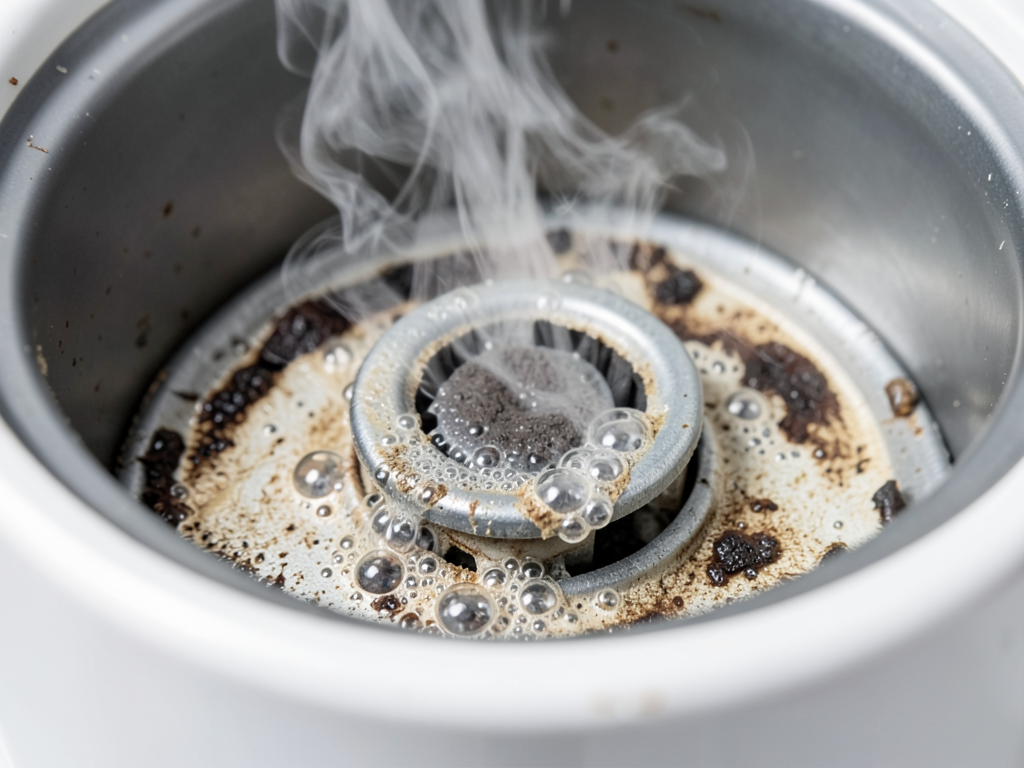
Minerals from our hard water settle at the bottom of your tank creating a layer of sediment. When the burner heats water trapped beneath this layer steam bubbles form and collapse violently. This creates that distinctive popping or kettling sound. It sounds like water boiling under a blanket of sand. How to Tell if Your Oklahoma City Home Has a Slab Leak Under the Foundation.
This problem wastes energy and damages internal components. In severe cases excessive sediment causes pressure problems or tank failure. Let’s examine what happens and what you can do about it.
What Causes That Popping Sound in Oklahoma City Homes?
Oklahoma City’s water supply comes from surface water sources like Lake Hefner and Lake Overholser processed by the Oklahoma City Water Utilities Trust. Our local water measures 8-12 grains per gallon of hardness. This exceeds the 3.5 gpg threshold considered hard.. Read more about How a Hybrid Heat Pump Water Heater Handles the Oklahoma City Climate.
When water heats in your tank calcium carbonate and magnesium minerals precipitate out and settle at the bottom. Over months and years this sediment layer becomes several inches thick. The burner sits directly beneath this layer. When it fires up water trapped under the sediment superheats until it flashes to steam creating those characteristic popping sounds.. Read more about How Long Does a Water Heater Actually Last in Oklahoma City?.
Gas water heaters make louder popping sounds than electric models. The direct flame contact creates more violent steam explosions. Electric water heaters make softer crackling sounds as their heating elements vibrate against sediment buildup.. Read more about Whole House Water Filtration or Under-Sink Filters—Which Is Best for OKC Water?.
Diagnostic Tip: If you hear popping that gets louder when you first turn on hot water and then quiets down that signals classic sediment kettling. A healthy water heater should operate nearly silently.
Is a Popping Water Heater Dangerous?
The popping sound itself does not immediately threaten safety. However it signals conditions that could become hazardous. Here is what happens inside your tank:
- The sediment layer acts as insulation forcing your burner to run longer and hotter to heat water
- Excessive heat damages the tank’s glass lining leading to rust and eventual leaks
- In extreme cases severe sediment buildup causes the tank to overheat potentially damaging the temperature and pressure relief valve
- If the relief valve fails and sediment blocks proper water circulation pressure could build to dangerous levels
According to the International Association of Plumbing and Mechanical Officials codes adopted in Oklahoma all water heaters must have a properly functioning temperature and pressure relief valve installed. This valve provides your last line of defense against catastrophic tank failure. International Association of Plumbing and Mechanical Officials.
Safety Warning: If you hear a loud bang followed by water leaking from the relief valve shut off power to the unit immediately and call a professional. This indicates dangerous pressure levels.
Step-by-Step How to Flush Your Water Heater
Before calling a professional many homeowners can safely flush their water heater to remove sediment. Here is the process: Why Edmond Homeowners Should Invest in a Whole House Water Softener.
- Turn Off Power or Gas
Shut off electricity at the breaker for electric heaters or turn the gas control to pilot for gas models.
- Connect a Garden Hose
Attach a hose to the drain valve at the bottom of the tank and run it to a floor drain or outside.
- Open Hot Water Faucets
Turn on a hot water faucet somewhere in your house to allow air into the system.
- Drain the Tank
Open the drain valve and let the water flow until it runs clear. This may take 20-30 minutes.
- Flush with Cold Water
Briefly turn on the cold water supply to stir up remaining sediment then drain again.
- Close Valves and Refill
Close the drain valve remove the hose and refill the tank completely before restoring power.
Warning: The water coming from the tank will be extremely hot around 120-140°F. Use caution and wear protective gloves.
If you feel uncomfortable performing this maintenance or if your tank is over 8-10 years old it is often safer to call a professional. A licensed OKC plumber can also inspect your anode rod and check for other issues during the service. Need a Plumber Right Now in Edmond? We Handle Burst Pipes and Clogs Fast.
When to Call a Professional Plumber
While sediment popping is common certain symptoms indicate you need immediate professional help:
- The popping sound accompanies rusty water or a metallic smell
- Your water heater is over 10-12 years old which represents typical lifespan in Oklahoma’s hard water conditions
- The temperature and pressure relief valve is leaking or appears corroded
- You notice water pooling around the base of the tank
- The popping sound has suddenly become much louder
- Your energy bills have increased significantly without explanation
Professional plumbers in Oklahoma City typically charge $150-300 for a comprehensive water heater flush and inspection. This service includes sediment removal anode rod inspection temperature and pressure valve testing and thermostat calibration.
If your tank nears the end of its service life replacement might prove more cost-effective. A new standard 40-50 gallon water heater in the OKC area costs $800-1200 installed while high-efficiency models run $1200-1800.
Prevention and Maintenance for Oklahoma City Homes
Given our local water conditions Oklahoma City homeowners should take these steps to extend their water heater’s life:
- Flush your tank annually twice yearly if you have extremely hard water
- Replace the sacrificial anode rod every 3-5 years as it corrodes instead of your tank
Oklahoma City’s water hardness varies by neighborhood. Areas near Lake Hefner typically see 9-10 gpg while neighborhoods closer to Lake Overholser experience 10-12 gpg. The Bricktown and Midtown districts often register slightly lower at 7-8 gpg due to different water processing facilities.
The Oklahoma City Municipal Code Section 29-1-104 requires all water heaters to maintain a minimum temperature of 120°F to prevent Legionella bacteria growth while not exceeding 140°F to prevent scalding. Your popping water heater might struggle to maintain these critical temperature ranges.
Local plumbers report that 85% of water heater failures in Oklahoma City relate to sediment buildup exacerbated by our hard water conditions. The remaining 15% stem from pressure valve failures electrical issues or simple age-related deterioration.
Warning Signs to Watch For:
Listen for these specific sounds from your water heater:
- Popping or crackling when hot water runs indicates sediment
- Hissing suggests a small leak or condensation on the burner
- Whistling points to pressure relief valve problems
- Banging or knocking signals water hammer issues
Feel the tank’s exterior during operation. A healthy water heater should feel warm but not hot. If certain areas feel significantly hotter than others sediment likely insulates parts of the tank causing uneven heating.
Smell for unusual odors. A rotten egg smell indicates sulfur bacteria in the tank often related to anode rod deterioration. A burning smell suggests electrical problems or excessive sediment causing overheating.
Check for these visual indicators:
- Rust-colored water from hot taps suggests internal tank corrosion
- White or gray sediment in faucet aerators confirms tank sediment
- Moisture around the tank base indicates leaks
- Condensation on the tank exterior during high humidity suggests poor insulation
Compare your water heater’s performance over time. Track how long it takes to deliver hot water to various fixtures. Increasing wait times often indicate sediment reducing tank capacity. Monitor your energy bills for unexplained increases which suggest your heater works harder due to sediment insulation.
Consider these neighborhood-specific factors:
- Homes in older districts like Heritage Hills or Mesta Park often have original plumbing that accumulates more sediment
- New construction in areas like Oklahoma River developments typically features updated water treatment reducing sediment issues
- Multi-story homes in Nichols Hills may experience more pressure-related sediment problems due to system height
Schedule professional maintenance if you notice any of these warning signs. A qualified plumber can assess whether flushing repairs or replacement best addresses your specific situation. Industrial Pipe Repair.
Call (405) 507-3533 today to schedule your water heater inspection. Our licensed OKC plumbers provide same-day service for urgent sediment-related issues. Don’t wait until that popping sound turns into a flooded basement or cold shower emergency.
{
“@context”: “https://schema.org”,
“@type”: “BlogPosting”,
“headline”: “Is Your Water Heater Making a Popping Sound? (What the Sediment Is Doing to Your Tank)”,
“description”: “That popping sound from your water heater signals sediment buildup. Learn what causes it, why it’s dangerous, and how to fix it before your tank fails.”,
“wordCount”: 1384,
“datePublished”: “2026-04-09T06:18:00.000Z”,
“dateModified”: “2026-04-09T06:18:00.000Z”,
“inLanguage”: “en-US”,
“mainEntityOfPage”: {
“@type”: “WebPage”,
“@id”: “https://atlasplumbingoklahomacity.com”
},
“publisher”: {
“@type”: “LocalBusiness”,
“name”: “Atlas Plumbing Oklahoma City”,
“url”: “https://atlasplumbingoklahomacity.com”
},
“author”: {
“@type”: “Organization”,
“name”: “Atlas Plumbing Oklahoma City”,
“url”: “https://atlasplumbingoklahomacity.com”
},
“image”: {
“@type”: “ImageObject”,
“url”: “https://atlasplumbingoklahomacity.com/wp-content/uploads/2026/03/is-your-water-heater-making-a-popping-sound-what-t-1.png”
}
}
{
“@context”: “https://schema.org”,
“@type”: “Plumber”,
“name”: “Atlas Plumbing Oklahoma City”,
“url”: “https://atlasplumbingoklahomacity.com”,
“address”: {
“@type”: “PostalAddress”,
“addressLocality”: “Oklahoma City”
},
“areaServed”: {
“@type”: “City”,
“name”: “Oklahoma City”
}
}
{
“@context”: “https://schema.org”,
“@type”: “FAQPage”,
“mainEntity”: [
{
“@type”: “Question”,
“name”: “What Causes That Popping Sound in Oklahoma City Homes?”,
“acceptedAnswer”: {
“@type”: “Answer”,
“text”: “Oklahoma City’s water supply comes from surface water sources like Lake Hefner and Lake Overholser processed by the Oklahoma City Water Utilities Trust. Our local water measures 8-12 grains per gallon of hardness. This exceeds the 3.5 gpg threshold considered hard.”
}
},
{
“@type”: “Question”,
“name”: “Is a Popping Water Heater Dangerous?”,
“acceptedAnswer”: {
“@type”: “Answer”,
“text”: “The popping sound itself does not immediately threaten safety. However it signals conditions that could become hazardous. Here is what happens inside your tank:”
}
}
]
}
{
“@context”: “https://schema.org”,
“@type”: “HowTo”,
“name”: “How to Flush Your Water Heater”,
“step”: [
{
“@type”: “HowToStep”,
“position”: 1,
“name”: “Turn Off Power or Gas”,
“text”: “Shut off electricity at the breaker for electric heaters or turn the gas control to pilot for gas models.”
},
{
“@type”: “HowToStep”,
“position”: 2,
“name”: “Connect a Garden Hose”,
“text”: “Attach a hose to the drain valve at the bottom of the tank and run it to a floor drain or outside.”
},
{
“@type”: “HowToStep”,
“position”: 3,
“name”: “Open Hot Water Faucets”,
“text”: “Turn on a hot water faucet somewhere in your house to allow air into the system.”
},
{
“@type”: “HowToStep”,
“position”: 4,
“name”: “Drain the Tank”,
“text”: “Open the drain valve and let the water flow until it runs clear. This may take 20-30 minutes.”
},
{
“@type”: “HowToStep”,
“position”: 5,
“name”: “Flush with Cold Water”,
“text”: “Briefly turn on the cold water supply to stir up remaining sediment then drain again.”
},
{
“@type”: “HowToStep”,
“position”: 6,
“name”: “Close Valves and Refill”,
“text”: “Close the drain valve remove the hose and refill the tank completely before restoring power.”
}
],
“image”: “https://atlasplumbingoklahomacity.com/wp-content/uploads/2026/03/is-your-water-heater-making-a-popping-sound-what-t-1.png”
}
{
“@context”: “https://schema.org”,
“@type”: “BreadcrumbList”,
“itemListElement”: [
{
“@type”: “ListItem”,
“position”: 1,
“name”: “Home”,
“item”: “https://atlasplumbingoklahomacity.com”
},
{
“@type”: “ListItem”,
“position”: 2,
“name”: “Blog”,
“item”: “https://atlasplumbingoklahomacity.com/blog”
},
{
“@type”: “ListItem”,
“position”: 3,
“name”: “Is Your Water Heater Making a Popping Sound? (What the Sediment Is Doing to Your Tank)”
}
]
}
{
“@context”: “https://schema.org”,
“@type”: “Service”,
“serviceType”: “Plumbing”,
“provider”: {
“@type”: “LocalBusiness”,
“name”: “Atlas Plumbing Oklahoma City”,
“url”: “https://atlasplumbingoklahomacity.com”
},
“areaServed”: {
“@type”: “City”,
“name”: “Oklahoma City”
},
“description”: “That popping sound from your water heater signals sediment buildup. Learn what causes it, why it’s dangerous, and how to fix it before your tank fails.”
}