Keeping Your Crawl Space Dry to Prevent Pipe Corrosion in Historic Paseo
The crawl spaces beneath Paseo’s historic bungalows face a unique plumbing threat. Oklahoma’s high humidity and seasonal rainfall create the perfect conditions for pipe corrosion. The moisture that seeps into your crawl space doesn’t just make the air damp. It actively breaks down your plumbing system from the inside out. How to Tell if Your Oklahoma City Home Has a Slab Leak Under the Foundation.
Galvanized steel pipes common in Paseo homes built before 1970 are particularly vulnerable. When humidity levels stay above 60% for extended periods, condensation forms on pipe surfaces. This moisture combines with oxygen and minerals in the water to create oxidation. The result is rust that eats through pipe walls, causing pinhole leaks and eventually complete pipe failure.
Most Paseo homeowners don’t discover the problem until they notice water stains on ceilings or hear the sound of running water when all fixtures are off. By then, significant damage has already occurred. The good news is that crawl space pipe corrosion can be prevented with proper moisture control and regular inspections. Why Edmond Homeowners Should Invest in a Whole House Water Softener.
Understanding Pipe Corrosion in Paseo Crawl Spaces
Pipe corrosion in crawl spaces happens through several mechanisms. Galvanic corrosion occurs when different metals touch each other in the presence of moisture. This is common in older homes where copper fittings connect to galvanized steel pipes. The electrical current that flows between these metals speeds up the corrosion process.
Pitting corrosion creates small holes in pipe walls. Oklahoma’s hard water contains high levels of calcium and magnesium. These minerals form deposits inside pipes that create microscopic pits. Over time, these pits grow into pinhole leaks that can waste hundreds of gallons of water before being detected.
Oxidation is the most visible form of corrosion. It appears as reddish-brown rust on pipe exteriors. In Paseo’s crawl spaces, oxidation accelerates because these areas rarely receive fresh air circulation. The stagnant, humid environment keeps moisture in constant contact with metal surfaces.
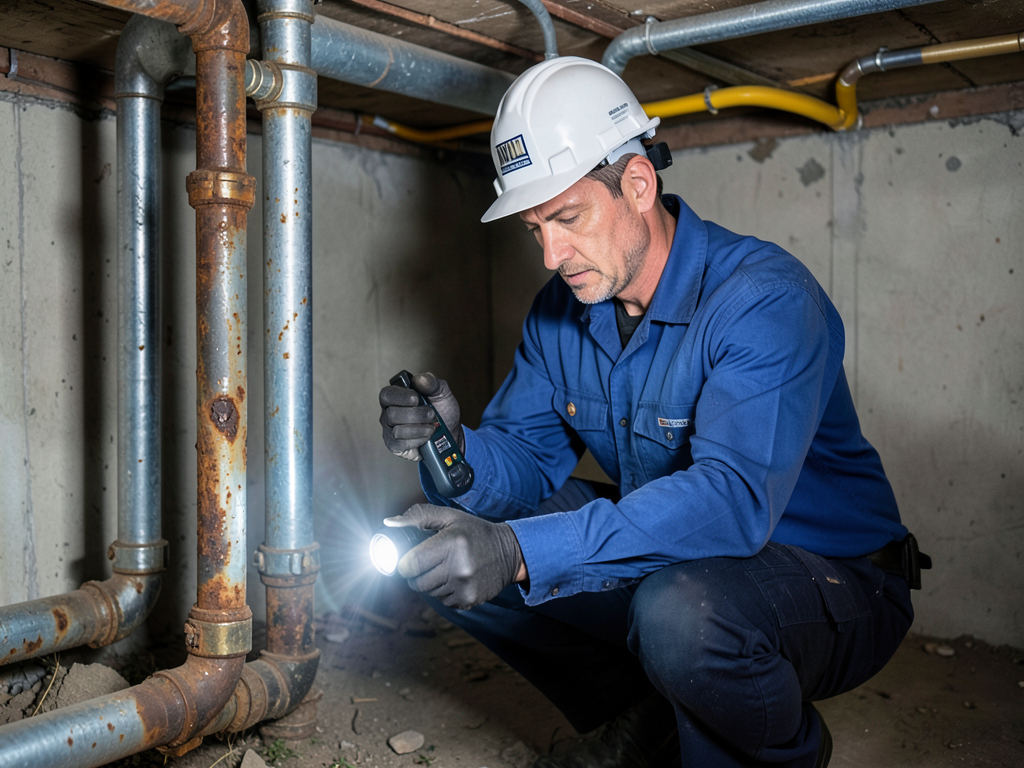
Diagram showing how humidity and moisture cause different types of pipe corrosion in crawl spaces
Why Paseo Homes Face Higher Risk
Paseo’s location in central Oklahoma creates specific challenges for crawl space plumbing. The area receives an average of 36 inches of rainfall annually. Much of this water seeps into the ground and creates hydrostatic pressure against foundation walls. This pressure forces moisture through tiny cracks and into crawl spaces. Powerful Hydro Jetting to Blast Through Main Line Roots in Quail Springs.
The soil composition in Paseo adds another layer of risk. Oklahoma’s clay-rich soil expands when wet and contracts when dry. This constant movement puts stress on pipes and creates new pathways for moisture to enter crawl spaces. The clay also retains water longer than sandy soils, keeping crawl spaces damp for extended periods.
Historic Paseo homes typically have pier-and-beam foundations with crawl spaces 18 to 36 inches high. These tight spaces trap humidity and prevent proper air circulation. The original builders didn’t anticipate modern HVAC systems that add even more moisture through condensation on ductwork and pipes.
According to the Oklahoma Uniform Building Code Commission, crawl spaces in existing homes should maintain humidity levels below 60%. However, many Paseo homes exceed this threshold due to their age and construction methods. The code recommends vapor barriers and mechanical ventilation for crawl spaces that consistently measure high humidity.
5 Warning Signs of Crawl Space Pipe Damage
Early detection saves money and prevents major water damage. Here are the five most common signs that your Paseo home’s crawl space pipes need attention:
- Visible rust on exposed pipes – Orange or brown discoloration on pipe surfaces indicates active corrosion. Run your hand along pipes to feel for rough spots where metal has deteriorated.
- Pinhole leaks or water droplets – Small streams of water or condensation on pipe exteriors suggest internal pipe damage. These leaks often appear near joints and fittings.
- Musty odors from vents or floors – A damp, earthy smell indicates moisture accumulation in your crawl space. This moisture accelerates pipe corrosion and promotes mold growth.
- Discolored water from taps – Brown or yellow water when you first turn on a faucet indicates rust from corroding pipes entering your water supply.
- Unexplained increases in water bills – Hidden leaks in crawl space pipes can waste significant water before showing visible signs. Compare your current usage to previous months.
Many Paseo homeowners notice these signs during seasonal humidity changes. Spring thunderstorms and summer heat create ideal conditions for crawl space moisture problems. If you observe any of these warning signs, professional inspection becomes critical.
The Risks of Ignoring Corroded Pipes
Delaying pipe repairs in your crawl space creates cascading problems. What starts as minor corrosion can escalate into major structural damage within months. The moisture that corrodes pipes also damages wood beams, insulation, and flooring materials above. EPA water usage guidelines.
Wood rot represents one of the most serious consequences. As moisture levels rise in your crawl space, wooden support beams absorb water and begin to decay. This process weakens your home’s structural integrity. Floor joists can sag, causing doors to stick and floors to become uneven.
Mold growth poses health risks to your family. The same conditions that corrode pipes also create ideal environments for mold and mildew. These organisms release spores that can trigger allergies, asthma attacks, and other respiratory problems. Mold remediation costs often exceed the price of early pipe repairs. Industrial Pipe Repair.
Foundation issues develop when persistent moisture causes soil expansion beneath your home. This movement can crack foundation walls and create new entry points for water. The resulting foundation repairs typically cost thousands of dollars more than addressing pipe corrosion early.
Catastrophic pipe bursts represent the worst-case scenario. When corrosion eats through enough pipe wall thickness, the remaining metal can no longer contain water pressure. A burst pipe in your crawl space can release hundreds of gallons per hour, flooding your home before you can shut off the main valve.
Professional Solutions: Repair vs. Whole-Home Repiping
Professional plumbers assess crawl space pipe conditions using several diagnostic tools. A moisture meter measures humidity levels throughout the space. An infrared camera detects temperature differences that reveal hidden leaks behind insulation or vapor barriers. Pressure testing identifies leaks by monitoring water pressure drops over time. Need a Plumber Right Now in Edmond? We Handle Burst Pipes and Clogs Fast.
For localized corrosion, spot repairs often suffice. This involves cutting out damaged pipe sections and replacing them with new material. Copper remains popular for repairs because it resists corrosion better than galvanized steel. However, connecting new copper to old galvanized pipes requires dielectric unions to prevent galvanic corrosion.
Whole-home repiping becomes necessary when corrosion affects multiple pipe sections or when pipes are near the end of their service life. Modern PEX piping offers several advantages for Paseo homes. It resists corrosion completely, handles Oklahoma’s temperature fluctuations well, and costs less than copper while lasting just as long.
Copper still works well for homes requiring the highest water quality or those with specific code requirements. It handles high temperatures better than PEX and maintains its value over decades. The choice between materials depends on your home’s specific needs, local building codes, and budget constraints.
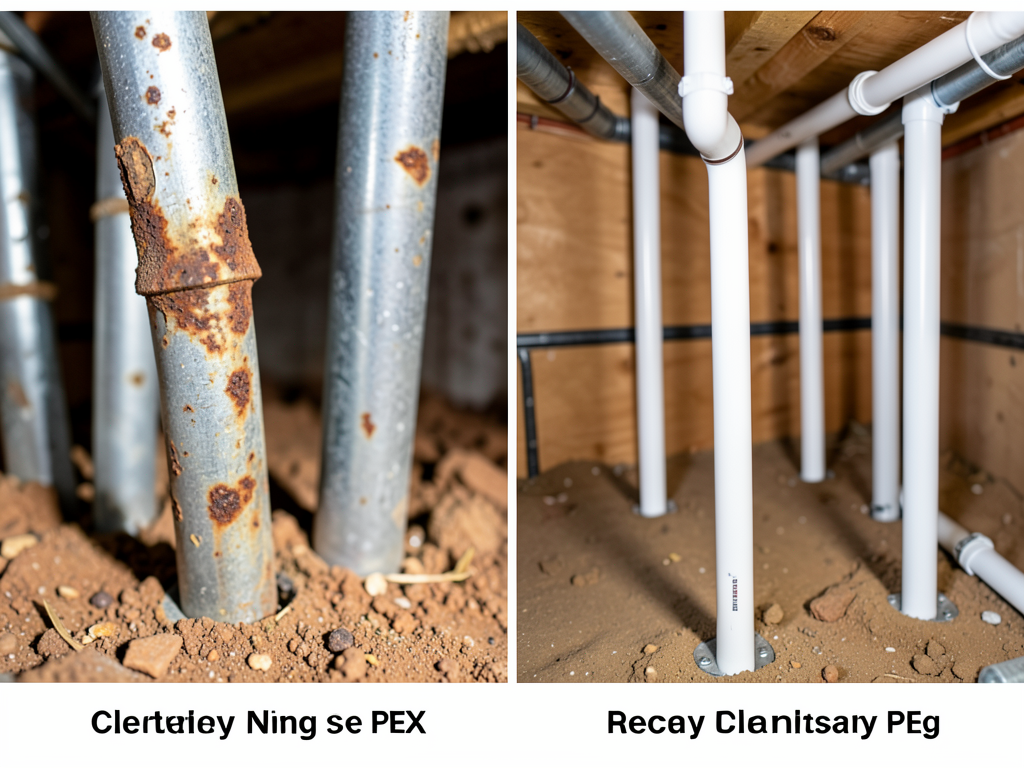
Photo showing corroded galvanized pipes versus new PEX installation in a crawl space
Cost Estimates and Local Considerations
Professional crawl space pipe inspection in Paseo typically costs between $200 and $400. This includes moisture readings, visual inspection, and basic testing. More comprehensive inspections with camera work and pressure testing range from $500 to $800.
Spot repairs for corroded pipe sections cost $150 to $350 per linear foot, depending on accessibility and material choice. Whole-home repiping projects in Paseo range from $4,000 to $15,000 based on home size and chosen materials. PEX installations generally cost 30% less than copper repiping.
Several factors affect pricing in the Paseo area. The age of your home influences labor costs since older crawl spaces often require debris removal before work begins. Limited access points increase labor time. Homes with asbestos insulation or lead paint require special handling that adds to project costs.
Most Paseo homes built before 1970 contain galvanized steel pipes that have exceeded their 40 to 50-year lifespan. These pipes often require complete replacement rather than repairs. Modern building codes require permits for repiping work, and inspections ensure proper installation techniques protect against future corrosion.
Preventing Future Crawl Space Pipe Corrosion
Moisture control represents the most effective prevention strategy. Installing a high-quality vapor barrier across your crawl space floor prevents ground moisture from rising into the air. These barriers should cover 100% of the soil surface and extend up foundation walls at least 12 inches.
Proper ventilation helps maintain healthy humidity levels. Passive vents work for some crawl spaces, but mechanical ventilation systems provide better control. These systems use fans to exchange moist crawl space air with drier outside air during appropriate conditions. Some systems include dehumidifiers for maximum moisture control.
Regular maintenance prevents small problems from becoming major repairs. Schedule annual crawl space inspections to check for new corrosion, moisture accumulation, or pest damage. Clean debris from vents and ensure they remain unobstructed. Check that downspouts direct water away from your foundation rather than allowing it to pool near crawl space walls.
Water softener installation helps protect pipes from mineral buildup. Oklahoma’s hard water accelerates corrosion and scale formation inside pipes. A whole-house water softener removes calcium and magnesium before water enters your plumbing system. This protection extends pipe life and improves water quality throughout your home.
Consider encapsulation for severe moisture problems. This comprehensive approach seals your entire crawl space with reinforced vapor barriers, insulates foundation walls, and conditions the air. While expensive upfront, encapsulation often pays for itself through reduced energy costs and prevented pipe damage.
Taking Action to Protect Your Paseo Home
Don’t wait for a pipe burst to address crawl space corrosion. The humid Oklahoma climate makes Paseo homes particularly vulnerable to this hidden threat. Regular inspections and moisture control measures cost far less than emergency repairs and water damage restoration.
Professional plumbers use specialized tools to assess your crawl space conditions accurately. They can identify corrosion patterns, measure moisture levels, and recommend appropriate solutions based on your home’s specific needs. This expertise helps you make informed decisions about repairs versus replacement.
Modern plumbing materials offer better protection against Oklahoma’s challenging environment. PEX piping resists the corrosion that destroys older galvanized steel pipes. When combined with proper moisture control, these materials can provide decades of reliable service without the constant threat of leaks and failures.
Call (405) 507-3533 today to schedule your crawl space inspection. Our experienced technicians will assess your plumbing system’s condition and recommend solutions to prevent costly water damage. Don’t let hidden corrosion threaten your Paseo home’s value and your family’s comfort.
Frequently Asked Questions
How often should I inspect my crawl space pipes?
Professional inspection every 2-3 years works for most homes, but annual checks become necessary if you notice any warning signs like musty odors, water stains, or unexplained increases in water bills. Homes over 30 years old benefit from yearly inspections regardless of visible symptoms.
Can I install a vapor barrier myself?
While DIY vapor barrier installation is possible, professional installation ensures proper coverage and sealing. Professionals use commercial-grade materials, seal all seams correctly, and extend barriers up foundation walls to prevent moisture wicking. Improper installation often creates more problems than it solves.
What’s the lifespan of galvanized steel pipes in Oklahoma?
Galvanized steel pipes typically last 40-50 years in Oklahoma’s climate. However, high humidity and hard water can reduce this to 30-40 years. Pipes in crawl spaces often fail earlier due to constant moisture exposure and limited air circulation that accelerates corrosion.
Does homeowners insurance cover pipe corrosion damage?
Most standard policies exclude damage from long-term corrosion, considering it a maintenance issue rather than sudden damage. However, if corrosion leads to a sudden pipe burst that causes immediate water damage, the resulting damage might be covered while the pipe repair itself typically isn’t.
How much does crawl space encapsulation cost?
Encapsulation costs range from $3,000 to $8,000 depending on crawl space size, existing conditions, and chosen materials. While expensive, it often pays for itself through energy savings, prevented water damage, and extended plumbing system life. Many homeowners recoup costs within 5-7 years through these benefits. For more information, visit International Association of Plumbing and Mechanical Officials.
You may also find this helpful. Adding a Battery Backup to Your Sump Pump Before the Next Edmond Storm.
{
“@context”: “https://schema.org”,
“@type”: “BlogPosting”,
“headline”: “Keeping Your Crawl Space Dry to Prevent Pipe Corrosion in Historic Paseo”,
“description”: “Stop crawl space pipe corrosion in Paseo homes. Learn how Oklahoma’s humidity and soil moisture damage pipes and what you can do to protect your plumbing system.”,
“wordCount”: 2088,
“datePublished”: “2026-04-03T09:47:00.000Z”,
“dateModified”: “2026-04-03T09:47:00.000Z”,
“inLanguage”: “en-US”,
“mainEntityOfPage”: {
“@type”: “WebPage”,
“@id”: “https://atlasplumbingoklahomacity.com”
},
“publisher”: {
“@type”: “LocalBusiness”,
“name”: “Atlas Plumbing Oklahoma City”,
“url”: “https://atlasplumbingoklahomacity.com”
},
“author”: {
“@type”: “Organization”,
“name”: “Atlas Plumbing Oklahoma City”,
“url”: “https://atlasplumbingoklahomacity.com”
},
“image”: {
“@type”: “ImageObject”,
“url”: “https://atlasplumbingoklahomacity.com/wp-content/uploads/2026/03/keeping-your-crawl-space-dry-to-prevent-pipe-corro-1.png”
}
}
{
“@context”: “https://schema.org”,
“@type”: “Plumber”,
“name”: “Atlas Plumbing Oklahoma City”,
“url”: “https://atlasplumbingoklahomacity.com”,
“address”: {
“@type”: “PostalAddress”,
“addressLocality”: “Oklahoma City”
},
“areaServed”: {
“@type”: “City”,
“name”: “Oklahoma City”
}
}
{
“@context”: “https://schema.org”,
“@type”: “FAQPage”,
“mainEntity”: [
{
“@type”: “Question”,
“name”: “How often should I inspect my crawl space pipes?”,
“acceptedAnswer”: {
“@type”: “Answer”,
“text”: “Professional inspection every 2-3 years works for most homes, but annual checks become necessary if you notice any warning signs like musty odors, water stains, or unexplained increases in water bills. Homes over 30 years old benefit from yearly inspections regardless of visible symptoms.”
}
},
{
“@type”: “Question”,
“name”: “What’s the lifespan of galvanized steel pipes in Oklahoma?”,
“acceptedAnswer”: {
“@type”: “Answer”,
“text”: “Galvanized steel pipes typically last 40-50 years in Oklahoma’s climate. However, high humidity and hard water can reduce this to 30-40 years. Pipes in crawl spaces often fail earlier due to constant moisture exposure and limited air circulation that accelerates corrosion.”
}
},
{
“@type”: “Question”,
“name”: “Does homeowners insurance cover pipe corrosion damage?”,
“acceptedAnswer”: {
“@type”: “Answer”,
“text”: “Most standard policies exclude damage from long-term corrosion, considering it a maintenance issue rather than sudden damage. However, if corrosion leads to a sudden pipe burst that causes immediate water damage, the resulting damage might be covered while the pipe repair itself typically isn’t.”
}
},
{
“@type”: “Question”,
“name”: “How much does crawl space encapsulation cost?”,
“acceptedAnswer”: {
“@type”: “Answer”,
“text”: “Encapsulation costs range from $3,000 to $8,000 depending on crawl space size, existing conditions, and chosen materials. While expensive, it often pays for itself through energy savings, prevented water damage, and extended plumbing system life. Many homeowners recoup costs within 5-7 years through these benefits. For more information, visit International Association of Plumbing and Mechanical Officials.”
}
}
]
}
{
“@context”: “https://schema.org”,
“@type”: “BreadcrumbList”,
“itemListElement”: [
{
“@type”: “ListItem”,
“position”: 1,
“name”: “Home”,
“item”: “https://atlasplumbingoklahomacity.com”
},
{
“@type”: “ListItem”,
“position”: 2,
“name”: “Blog”,
“item”: “https://atlasplumbingoklahomacity.com/blog”
},
{
“@type”: “ListItem”,
“position”: 3,
“name”: “Keeping Your Crawl Space Dry to Prevent Pipe Corrosion in Historic Paseo”
}
]
}
{
“@context”: “https://schema.org”,
“@type”: “Service”,
“serviceType”: “Plumbing”,
“provider”: {
“@type”: “LocalBusiness”,
“name”: “Atlas Plumbing Oklahoma City”,
“url”: “https://atlasplumbingoklahomacity.com”
},
“areaServed”: {
“@type”: “City”,
“name”: “Oklahoma City”
},
“description”: “Stop crawl space pipe corrosion in Paseo homes. Learn how Oklahoma’s humidity and soil moisture damage pipes and what you can do to protect your plumbing system.”
}